私は上海で、まず地下鉄の出口周辺を見てから、どのカフェに座るかを決めるようになった
The first time I seriously tried to find a place in Shanghai where I could sit and work for half a day, I did not begin with review scores. I began with the first few seconds after stepping out of the metro. The morning felt humid, the wind along Nanjing West Road was cut into fragments by tall buildings, and I had a laptop on my back and a bottle of water in my hand. The map clearly showed many cafés nearby, yet I still hesitated. Which one was suitable for actually settling down with work, and which one was mainly for photos or a quick drink? Which side of the street would become too crowded after noon, and which path would let me retreat easily to the metro if it rained? Later I understood that for a foreigner trying to build a temporary work rhythm in a Chinese city, the order of judgment matters. Reading the exit area first, then choosing the café, is often far easier than doing it the other way around.
I used to make the same mistake again and again. If I saw a famous café nearby, I walked there immediately and assumed that popular automatically meant comfortable, safe, and stable. Shanghai corrected that assumption very quickly. A popular place is not necessarily bad, but popularity usually brings two things: rapid table turnover and a more complicated flow of people. For a traveler who simply wants to answer emails, charge devices, and maybe eat something small, both can become extra burdens. So I made a simple rule for myself: stand by the metro exit for one minute first. Check whether there is a convenience store nearby, a mall restroom, a place to sit in public, a clear taxi pickup point, and an obvious main pedestrian flow. Only then decide which direction to walk. This habit feels close to the logic in getting the day into a smooth rhythm before trying to do too much, and it also matches what building safety through daily details argues. Real steadiness often comes not from one perfect choice, but from seeing your backup options early.
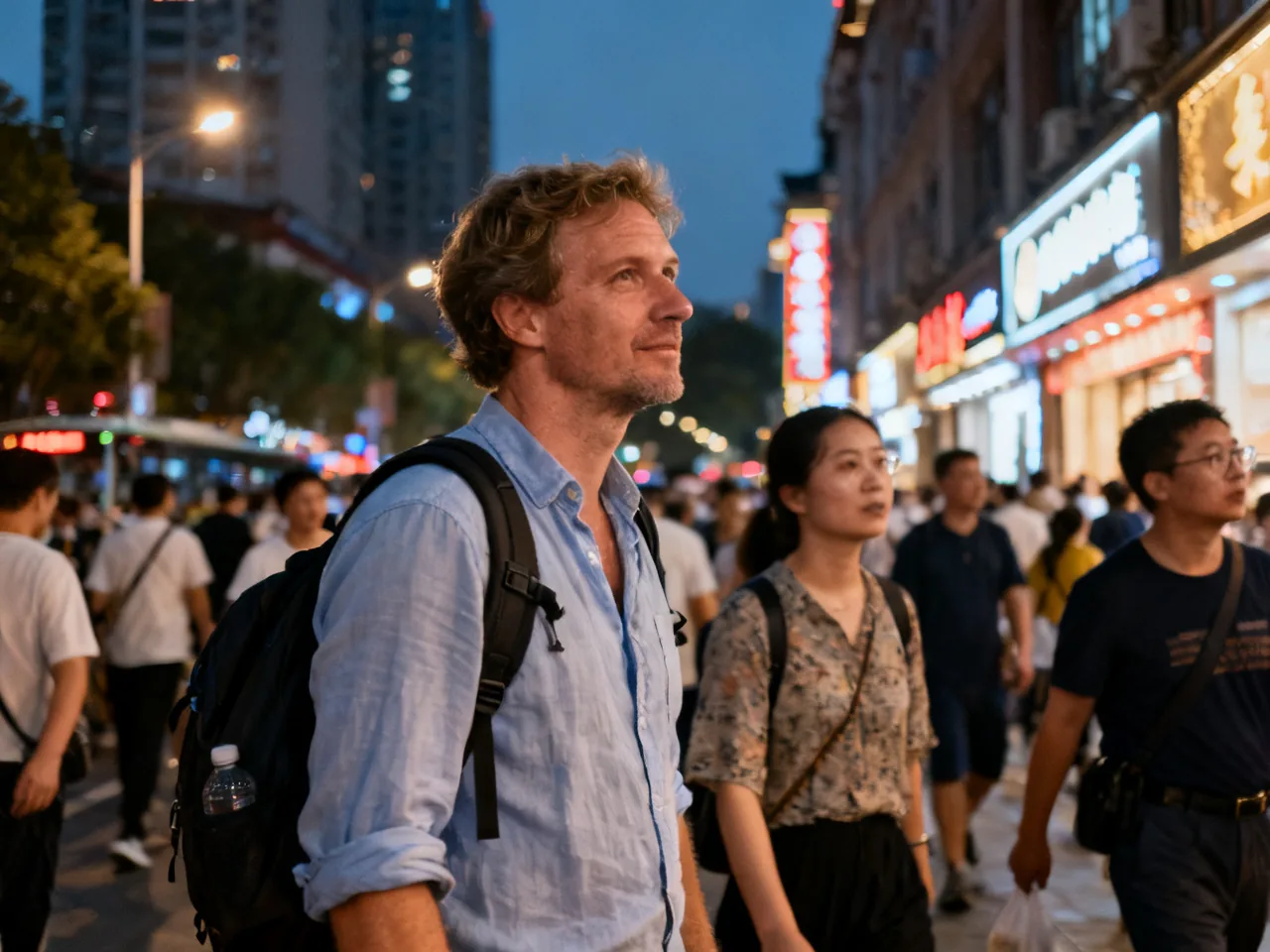
That day I did not choose the trendy café closest to the exit. It was not because it was bad. It was because people were constantly waiting outside, the pickup area and entrance were squeezed together, and every few seconds someone dragged a suitcase in or out. Instead, I went to another place slightly farther away, beside a mall side entrance. Through the window I could see tree shadows, the distance between tables was wider, the restroom was at the end of the corridor on the same floor, and a convenience store was only two minutes away. Once I sat down, I realized I had not really paid for coffee. I had paid for a stretch of low-friction city time. For foreigners traveling in China, what we often need is not the most recommended spot, but the spot that consumes the least judgment energy. If you are carrying a laptop, documents, and a power bank while also dealing with navigation and payment, the difference becomes very clear.
Over time, I learned to judge whether a café was suitable for temporarily placing myself inside it by reading a few small signals. First, the entrance flow. If customers ordering, delivery riders waiting, people queuing, and people entering are all trapped together, I usually do not go in. Second, the table size and outlet position. Not because I want to occupy space, but because temporary work only feels smooth when my actions are smooth: laptop, phone, cup, and tissues should all fit without stress. Third, the kind of background noise. Loud music is not necessarily the problem. What wears me down is sharp interruption noise: machine alerts, order numbers shouted repeatedly, and a narrow door opening and closing all the time. Fourth, the cost of retreat. If after twenty minutes I realize the place does not work, can I easily move to another one or go back to the metro? This way of judging a place feels similar to building a sense of integration through small actions. You are not searching for magical adaptation. You are training yourself to cooperate with the environment.
Once near Jing’an Temple, I paid the price for ignoring the surroundings. That afternoon I chased a highly rated café and only after entering did I discover that although the design was beautiful, the tables were barely large enough for one drink, the outlets were occupied by a couple in a long conversation, and the restroom required crossing a crowded shared space. Worse, once rain was about to start, the entrance traffic suddenly swelled, and even packing my laptop felt awkward. As I stood under the edge of the mall roof reorganizing my bag, I realized this was not bad luck at all. I had skipped the most important layer of judgment from the beginning. One major lesson Shanghai taught me is this: convenience on the map is not always convenience for the body, and a high rating does not necessarily mean a rhythm that fits you.
If you also travel through Chinese cities while trying to find places to handle practical tasks, I now have a few useful suggestions. First, check whether there is a second option within fifty meters of the exit. Do not treat the first café as the only plan. Whenever possible, prefer places near malls, office towers, or major metro exits where information is public and retreat is easy. Before entering, glance through the glass and notice whether most people stay only ten minutes or whether the place clearly supports longer sitting. Before settling down, think through payment, charging, restroom access, and how you will leave. Once those small questions are settled, you actually become much freer. One more point matters a lot: if you are already tired, do not force yourself into a high-judgment environment just because it looks more stylish or more local. Stability in travel is worth more than performing the right aesthetic.
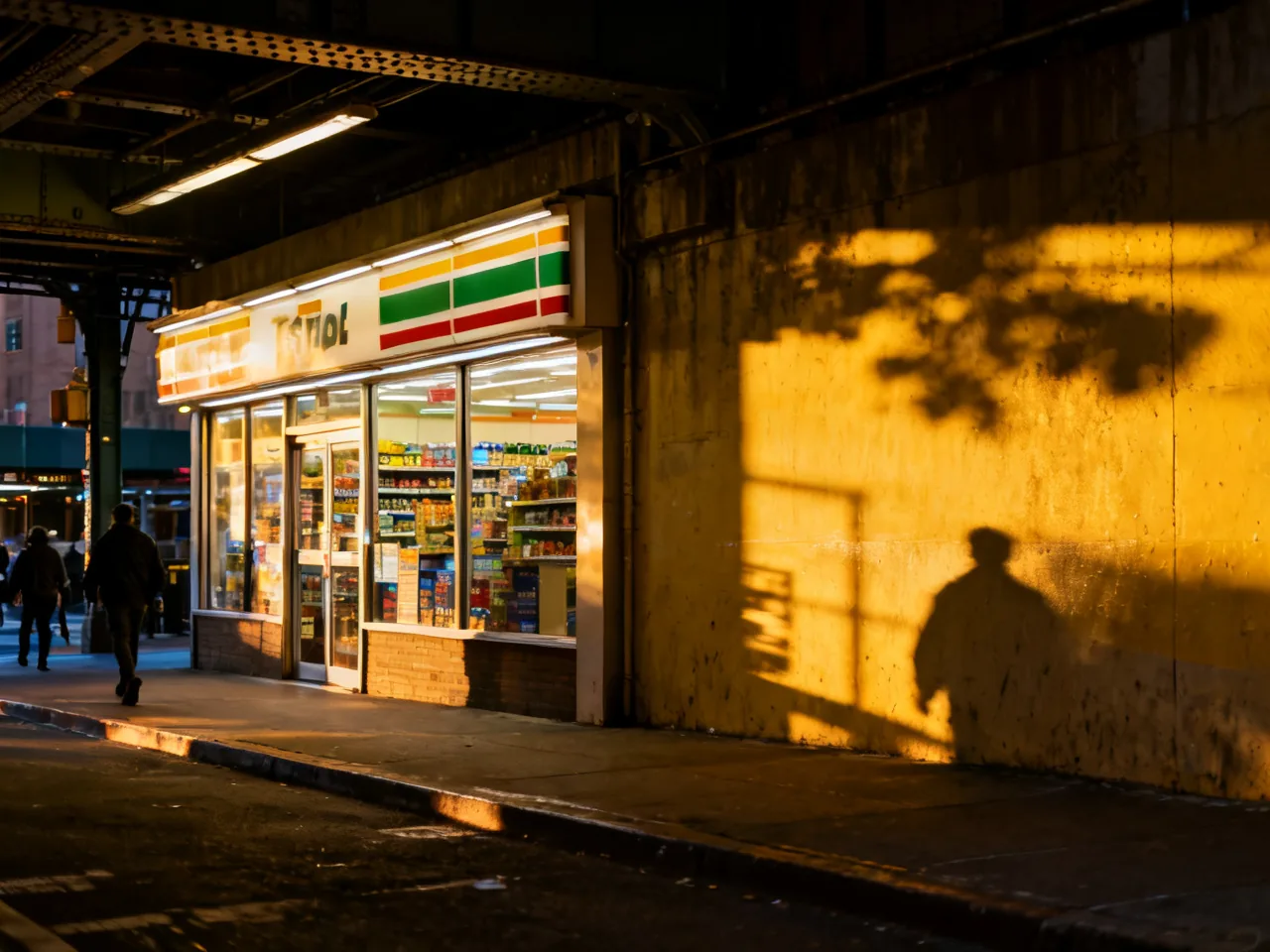
In the end, I sat by the window for almost four hours that afternoon. At one point I stepped out to buy water and casually checked whether there were any quiet corners on the same floor. Later, when the rain really arrived, I did not panic, because I already knew where the nearest exit was, where the nearest convenience store was, and how to get back to the metro. When I packed up at dusk, the streetlights outside had just come on and the wet leaves were reflecting the light. I suddenly felt that what Shanghai had taught me was not only how to choose a café. More precisely, it had taught me how to arrange the order of my judgments inside a Chinese city full of information, options, and temptation. Once that order is right, unfamiliarity shrinks, and even an ordinary cup of coffee can become a steady place to land.