春節カウントダウン:大晦日から七日目まで、毎日何をするのか
Many foreigners know about Chinese New Year, but don’t realize it’s a seven-day ritual sequence — each day has specific things to do, specific taboos to avoid, specific foods to eat.
New Year’s Eve
This is the most important night of the entire festival.
The reunion dinner is the centerpiece. The family gathers, and the dishes carry meaning: fish (年年有余, abundance year after year), dumplings (北方 north, shaped like gold ingots), tangyuan (南方 south, symbolizing reunion), and nian gao (年糕, rising higher each year).
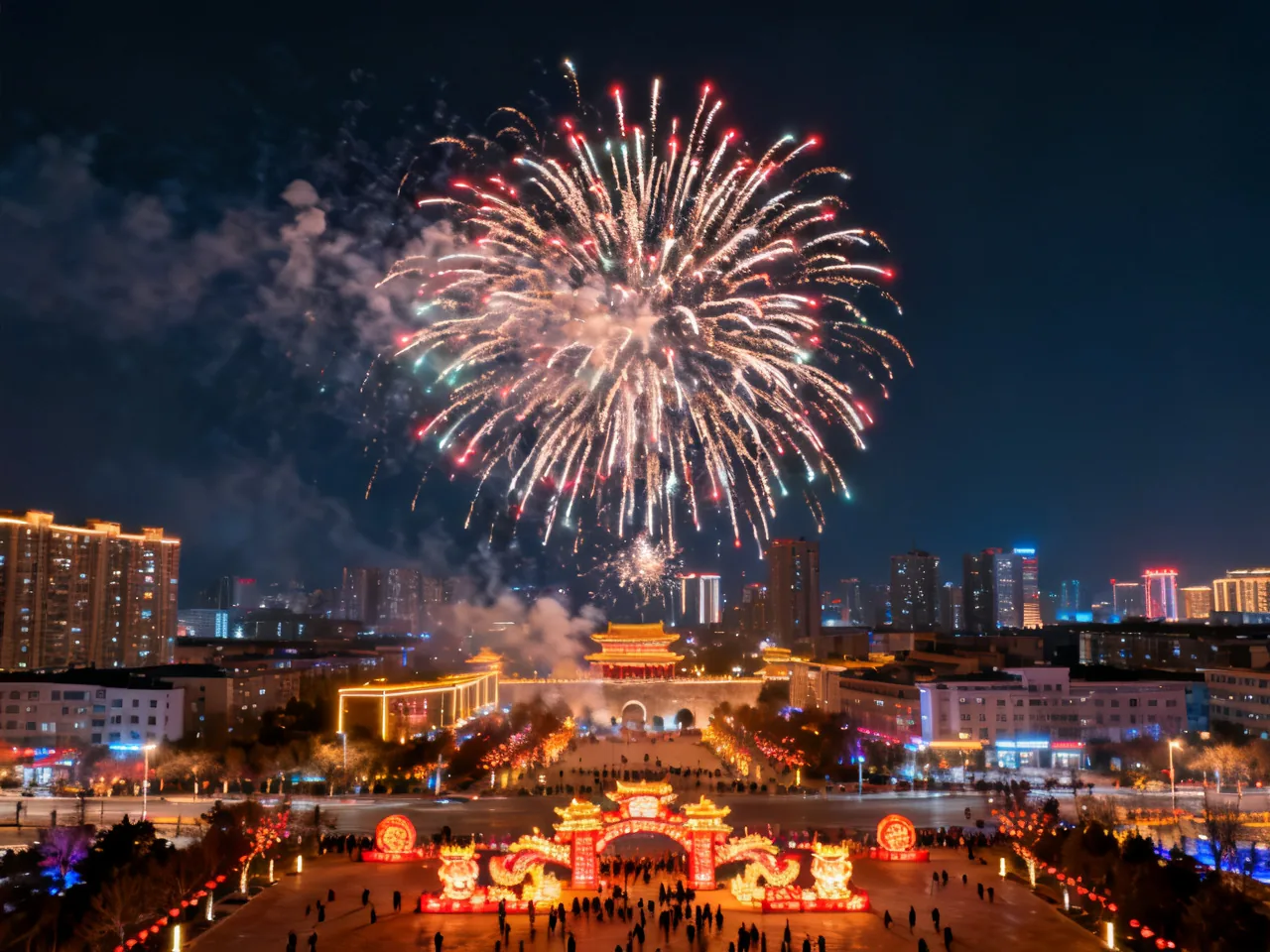
After dinner, the family stays up to welcome midnight — 守岁 (shǒu suì). At midnight, firecrackers (now replaced by electronic versions in many cities) and fireworks light up the entire city.
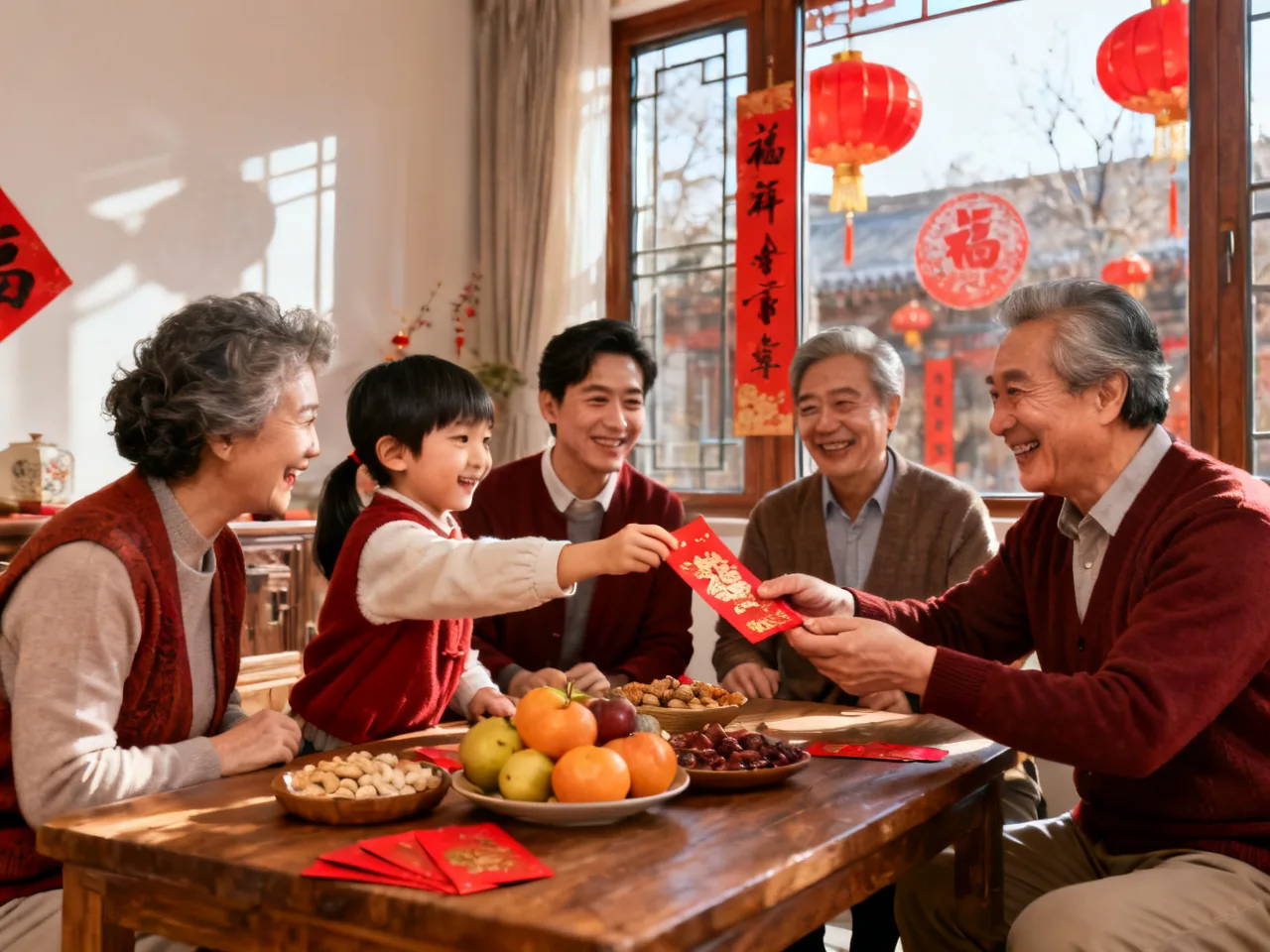
Day 1: the first act is paying New Year’s respects — bowing or kowtowing to elders, saying “新年快乐” (Happy New Year) or “恭喜发财” (Wishing you prosperity). Elders give children red envelopes (压岁钱, yuǎsuì qián).
Taboos: No sweeping on Day 1 — you’d sweep away good fortune. No unlucky words. If you break something, immediately say “岁岁平安” (peace every year) to neutralize the bad omen.
Red envelope amounts follow rules — see The Art of Gift Giving in China for detail. Basic principle: amounts ending in 6, 8, or 9 are auspicious; never give amounts with 4 (sounds like “death”).
Days 2–6
Day 2: Married daughters return to their parents’ home with their husbands — an unbreakable tradition.
Day 3: Customs vary by region. Some areas call it “Red Dog Day” — not ideal for visiting, better to rest at home.
Day 4: Welcome the Kitchen God back. Legend says the Kitchen God ascends to heaven before New Year’s Eve to report on the family’s behavior; on Day 4 he returns, and offerings are prepared to receive him.
Day 5: “Breaking Five” — welcoming the God of Wealth. Sweeping is now allowed (all the accumulated trash from Days 1–4 gets cleared). Shops reopen. Firecrackers sound again.
Day 6: Sending away poverty, opening the market. Many businesses choose Day 6 to officially resume work — “六六大顺” (smooth sailing all the way).
Day 7 is “Renri” (人日, Human Day) — legend says Nüwa created humans on the seventh day of creation. The tradition is eating “Seven Treasure Soup” — a vegetable soup with seven ingredients that vary by region, but almost always includes celery (勤劳, diligence), scallions (聪明, intelligence), and garlic (会算计, good with numbers).
In Guangdong, Day 7 also features “lo hei” (捞鱼生) — a platter of raw fish with various toppings, where the whole family tosses the ingredients together with chopsticks, lifting them as high as possible while shouting auspicious phrases. Loud and festive.
If You’re in China During Spring Festival
A few practical notes:
- Book transport and accommodation early: The Spring Festival travel rush (春运, chūnyùn) is the world’s largest annual human migration. Train tickets and flights sell out weeks in advance.
- Many shops close: Especially Days 1–3. Supermarkets, restaurants, and pharmacies may be closed or have reduced hours. Stock up on food and medicine beforehand.
- Accept dinner invitations: If a Chinese friend invites you to their home for New Year, go. It’s the most authentic Spring Festival experience available — better than any tourist attraction.
- Red envelope etiquette: If giving red envelopes to friends’ children, check The Art of Gift Giving in China for amounts. Never give multiples of 4.
外链: Wikipedia — Chinese New Year