もし八月にいくつかしか寄れないなら、筆者は潮風と館蔵品と夜道をこの三つの街に残す
August travel in China tends to push people toward two extremes. They either chase the sea obsessively or chase cool air obsessively. Yet after several years of moving through the country in late summer, the writer has come to feel that the true prize in August is not a single temperature number. It is a city structure that lets you split day and night into different uses. By day, you need places that can absorb heat and protect your energy. After dusk, you need places that invite you back outside and let wind, lighting, and streets carry the second half of the trip. If you stare only at “the hottest beach destination” or “the coolest escape,” August easily turns into the work of repeatedly moving your own body from one hard surface to another.
The practical sentence this piece wants to leave behind is simple: in August, choose cities that become walkable again at night. In China, August does not necessarily ruin the daytime; it simply means the daytime must often be used in segments. What makes a trip memorable is usually the energy you manage to preserve in the afternoon, so that by evening you still have the patience to receive sea wind, museum quiet, and streets that begin to glow after dark.
First Stop, Qingdao: Not Just for Seeing the Sea, but for Learning How to Divide Seaside Time
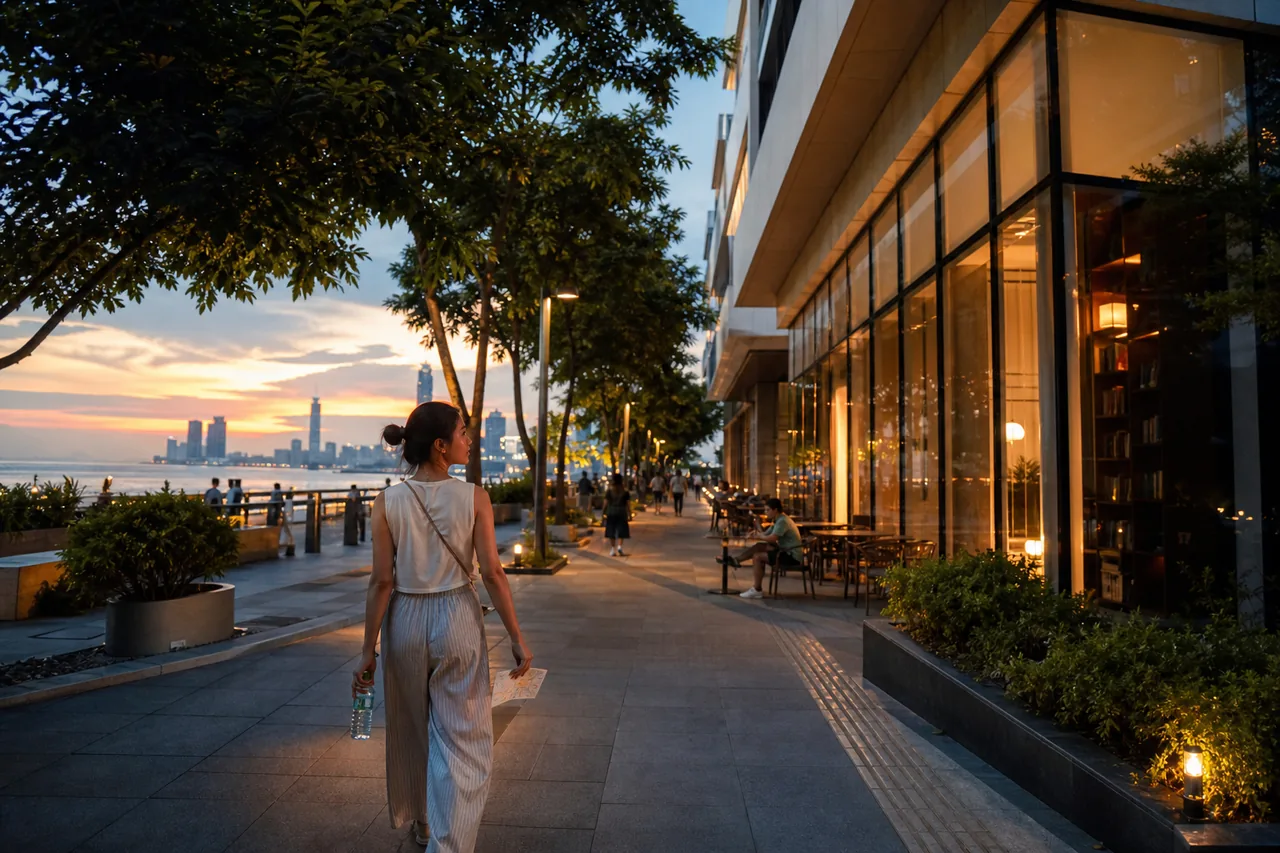
If the writer recommends one seaside city in August, Qingdao usually stays near the top of the list, but not simply because it has water. What matters is that Qingdao allows a single day to be divided into three entirely different movements. The morning can belong to the older hilly districts, where there are trees, slopes, and glimpses of the sea without immediately exposing the body to the widest open coastline. Noon can be spent inside museums or among older architectural zones, letting the eyes retreat from harsh light. Only at dusk should the broadest section of seafront be given its full space, because that is when the wind finally starts doing real work.
Another reason Qingdao works in August is that it does not demand a constant sightseeing performance. A traveler can sit by the coast for a while, disappear into a museum for a while, and return to dinner without racing the clock. A seaside city becomes flat very quickly if it is reduced to photographs alone. But when wind, older neighborhoods, and indoor collections take turns carrying the day, the city becomes more durable than a simple marine backdrop. In August, the point is not to chase the sea all day. It is to let the sea appear at the right hour.
Second Stop, Dalian: In August, Comfort Sometimes Comes from Cooling While You Walk
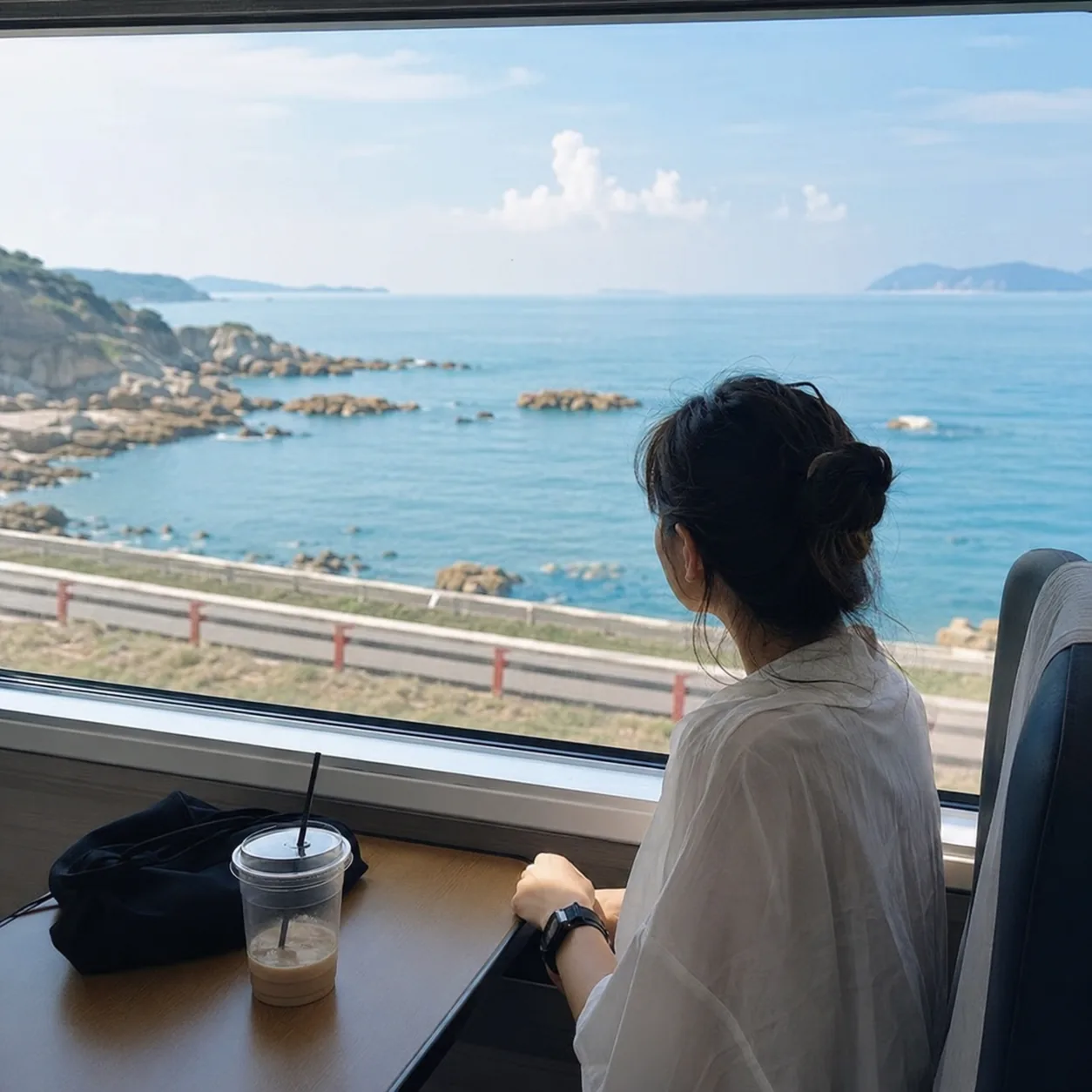
The writer has long felt that Dalian suits travelers who do not want August to become an ordeal. It is not the kind of city that spends every minute shouting, “Photograph me now.” Its strength lies precisely there. The roads are walkable, the wind actually arrives, the seafront is not permanently loud, and the urban surface often leaves enough empty space for a traveler to breathe. Many people fear one feeling above all when traveling: stepping outside and being pinned down instantly by heat. Dalian becomes valuable because it often makes the act of going outside feel natural again.
If Dalian enters an August itinerary, the writer would treat it as a city for recovery while walking rather than for dense attraction-hunting. The morning can go to the coast or a sloping district, the afternoon to a museum, bookstore, or hotel pause, and the evening back to the sea. Some travelers think that sounds too slow, but what truly wastes a person in August is not slowness. It is overexposure by day that makes even the evening unwalkable. The elegance of a city like Dalian lies in its ability to preserve both legs and mood for the night.
Third Stop, Xi’an: August Is Not Only for Escape—Night Walls and Museum Hours Can Carry the Day
When people talk about August, many think only of escape and therefore leave out a city like Xi’an too quickly. Yet the writer would argue that an August route absolutely can include an inland city whose daylight belongs to collections and whose night belongs to long, readable streets. Xi’an is not great because it feels comfortable every hour. It is great because it completes the rhythm of “do not fight the day” and “come back out at night.” Spend the day inside museums with relics, carvings, and historical lines, where air-conditioning and quiet preserve your energy. Then use the evening around the walls or old streets to walk those absorbed impressions back out into the body.
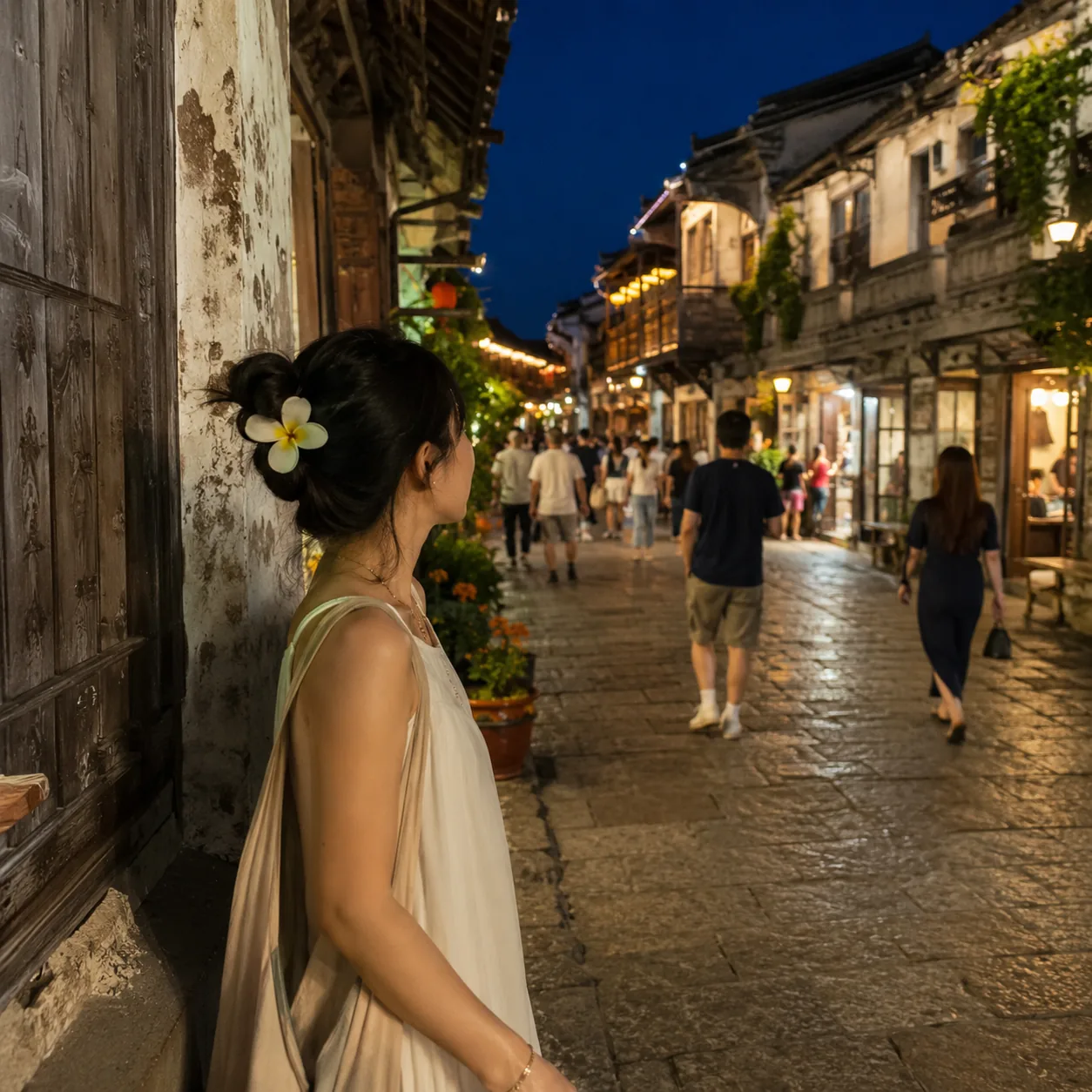
A city like Xi’an also offers a satisfaction that coastal places cannot fully replace. The traveler stops feeling that wind must always be found and begins paying attention to what time itself has deposited in the urban fabric. If an August trip becomes nothing but heat avoidance, it can shrink into pure strategy. But once a city like Xi’an enters the line—one that can gather the day and release it at night—the route gains thickness. It reminds people that summer in China is not only a weather test. It is also an exercise in how attention is arranged.
How to Combine These Three Cities Without Turning August into Heat and Drift
If the writer were arranging the sequence, Qingdao would open the route because the coast loosens the body from that immediate August tightness. Dalian would sit in the middle because it is not an aggressive city and therefore lowers the fatigue that accumulates after several days. Xi’an would come later, using museum-filled days and night walks to gather the route into something more complete. This is not the only possible answer, but the logic is clear: first help the body accept August, then restore patience to the legs, and only after that hand attention over to a heavier historical city.
Each of the three cities also speaks in a different tone. Qingdao recommends a new understanding of the sea: it should not demand full-day exposure. Dalian quietly argues that comfort itself is a route-design skill. Xi’an reminds the traveler that August does not disqualify historical cities if time is divided properly. Travel writing that only says where something is “fun” usually collapses into a list. Writing that explains what role each city plays in a route gives readers something they can actually choose with.
What August Really Demands You Avoid Is Not One City, but One Style of Travel
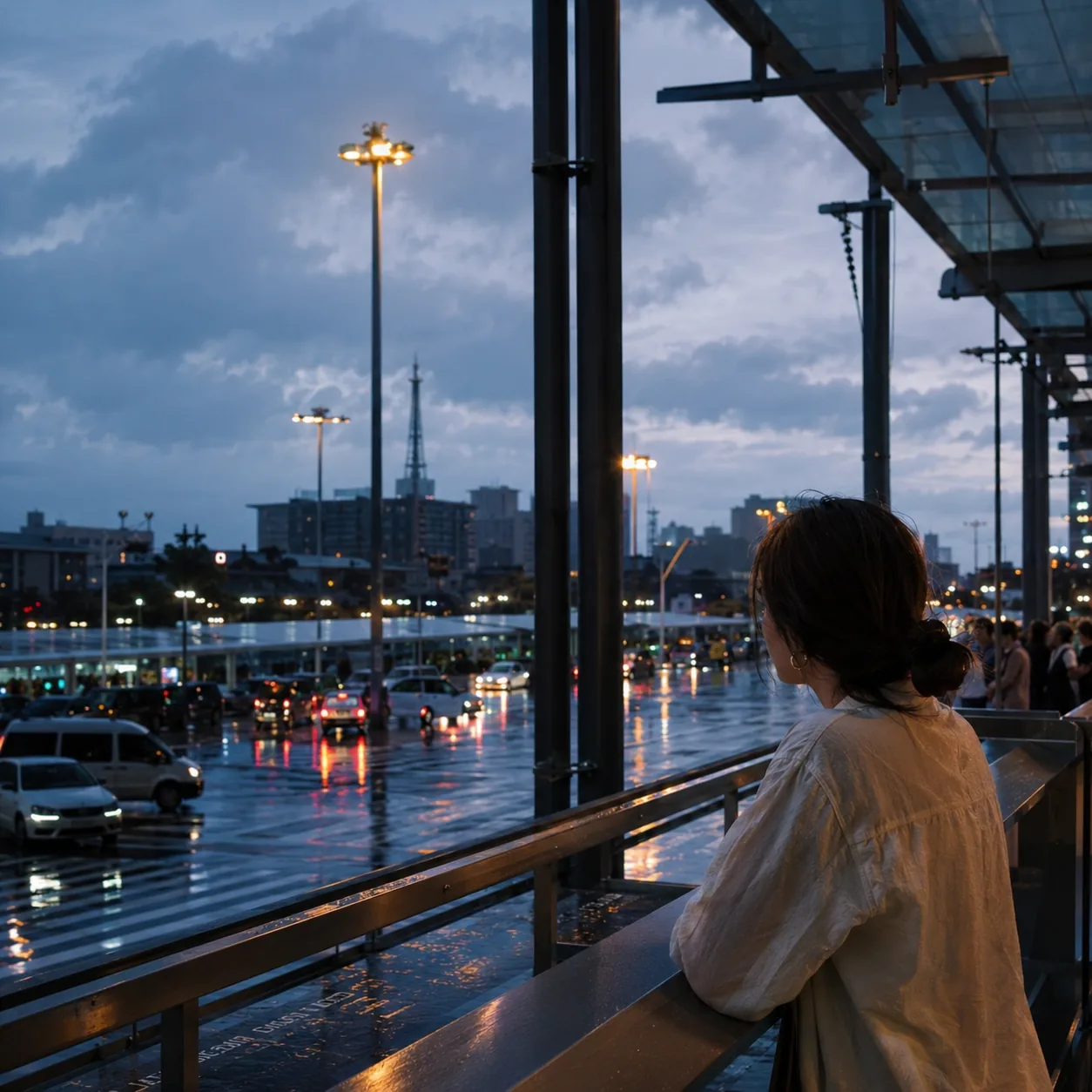
The style of August travel the writer least recommends is stepping outside in the morning already determined to “take everything today.” That idea is not especially wise even in spring or autumn, and in August it becomes punishing. What August tests is not how far you can charge without stopping, but whether you know how to preserve enough strength for the evening. In many Chinese cities, dusk streets, museum plazas, river benches, sea wind, and vendor lights only become beautiful when you still have a margin left in the body. If the afternoon has already emptied you, even the best night turns into a backdrop.
That is why Qingdao, Dalian, and Xi’an share something deeper than scenery in the writer’s view. All three permit August to be lived in segments. One part in the morning, one part held back in the afternoon, and the city opened again at night. For many people experiencing August in China for the first time, that is far more useful than chasing a chain of popularity rankings. Rankings tell you where to go. A traveler still has to decide how to live through the day once they get there.
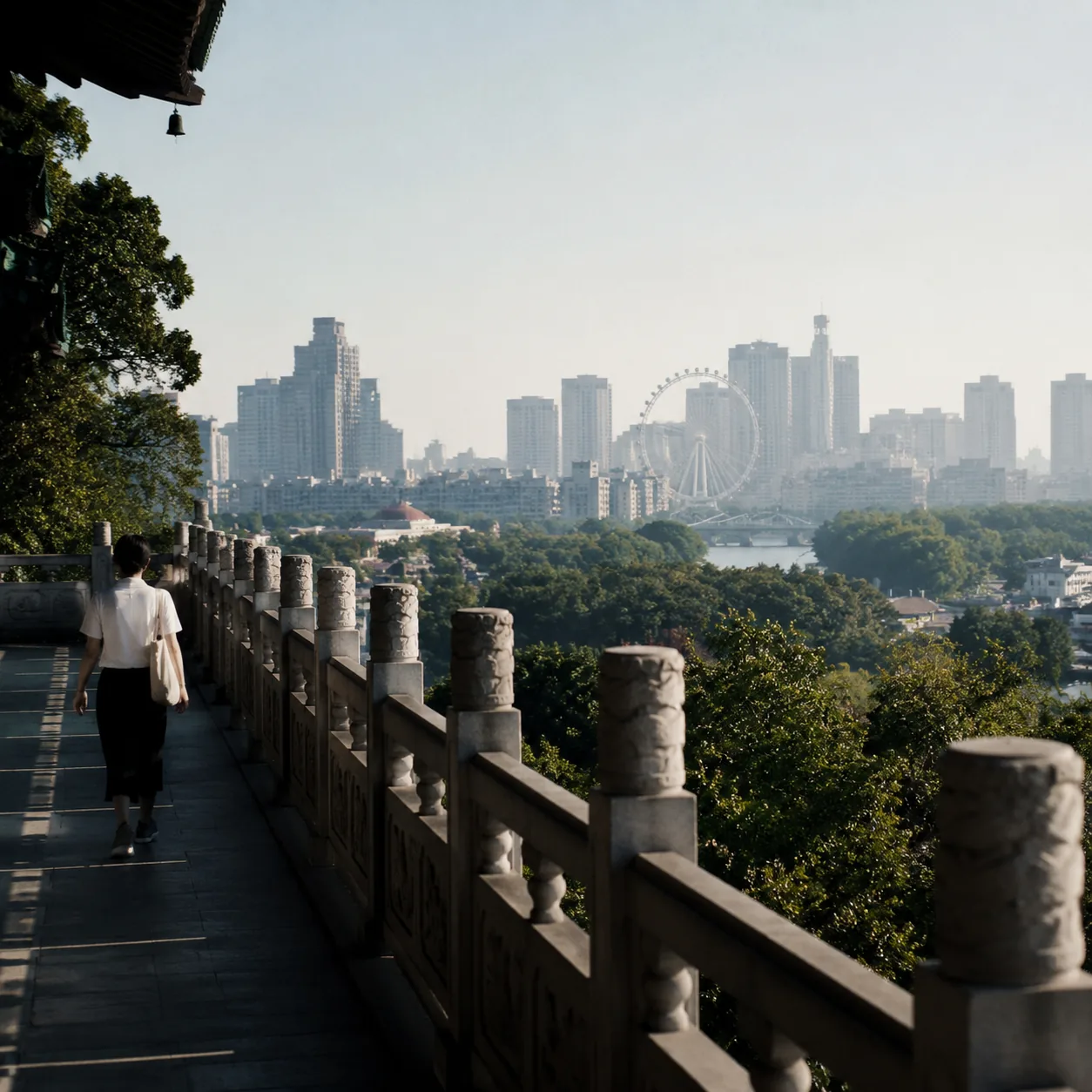
If this piece must close with one answer on choosing cities for August, the writer would keep it simple: go to places that grow gentle again at night, places that can catch you during the day, and places that do not demand constant performance. August in China is not always easy, but it is not a month that only deserves escape. Choose well, and the sea breeze will arrive, collections will carry noon, and night streets will call you back outside. At that point, August stops being merely the hottest month. It becomes a trip with layers, with breathing room, and with something worth remembering afterward.