Безвизовые политики Китая
Walking into China no longer requires that thick stack of visa documents — at least not for citizens of an ever-growing list of countries. Since late 2023, China’s visa-free “circle of friends” has expanded at unprecedented speed, from a handful of Southeast Asian neighbors to dozens of countries spanning Europe, Oceania, and the Americas. This article breaks down everything you need to know: who qualifies, how to use it, how long you can stay, and what pitfalls to avoid.
China currently has three major categories of visa-free entry. Many people confuse them, ending up stopped at the airport. Let’s break them down one by one.
Category One: Mutual Visa Exemption. This is the most generous policy. As of early 2025, China has mutual visa-free agreements with Thailand, Malaysia, Singapore, Georgia, and others. Take the China-Thailand agreement as an example: effective March 1, 2024, citizens of both countries can enter the other with ordinary passports for stays up to 30 days. These mutual exemptions typically impose no restrictions on entry ports or purposes.
Category Two: Unilateral Visa-Free Entry. This was the biggest policy breakthrough of 2024. China successively granted unilateral visa-free entry to citizens of France, Germany, Italy, the Netherlands, Spain, Switzerland, Ireland, Hungary, Austria, Belgium, Luxembourg, Australia, New Zealand, South Korea, Japan, and more, allowing stays of 15 or 30 days with ordinary passports (duration varies by country). By the end of 2025, this list had expanded to over 30 countries. Note that “unilateral” means Chinese citizens still need visas to visit those countries.

Category Three: Transit Visa Exemption. This long-standing policy comes in three tiers: 24-hour, 72-hour, and 144-hour. The 144-hour transit exemption covers the most countries (over 50) and applicable ports of entry continue expanding. Eligible travelers transiting through China en route to a third country can stay visa-free within designated areas. By late 2024, the number of ports applicable for 144-hour transit exemption expanded from around 20 to nearly 40. For the latest details on transit visa exemption, refer to official announcements on the Chinese government website.
Transit visa exemption is the policy foreign tourists use most, but it contains several hidden details. First, you must hold a confirmed onward ticket to a third country (or region), and that third country cannot be the same as your departure country. For example, flying from Japan to China and back to Japan doesn’t count as “transit” — you can’t use this policy.
Second, “144 hours” doesn’t equal “6 days.” Many assume they can stay for six full days, but the clock actually starts at midnight the day after entry. If you enter Shanghai at 11 PM on Monday, your 144 hours start at midnight Tuesday and end at midnight Sunday. This means you effectively have only about 5 full days of sightseeing.
Third, there are geographic restrictions. Travelers entering on a 144-hour transit exemption in Shanghai can move within Shanghai, Jiangsu, and Zhejiang, but cannot fly to Beijing or Chengdu. Beijing’s transit zone covers Beijing, Tianjin, and Hebei. Since 2024, some ports have expanded their coverage areas, but specific rules change frequently — always verify the latest information before departure.
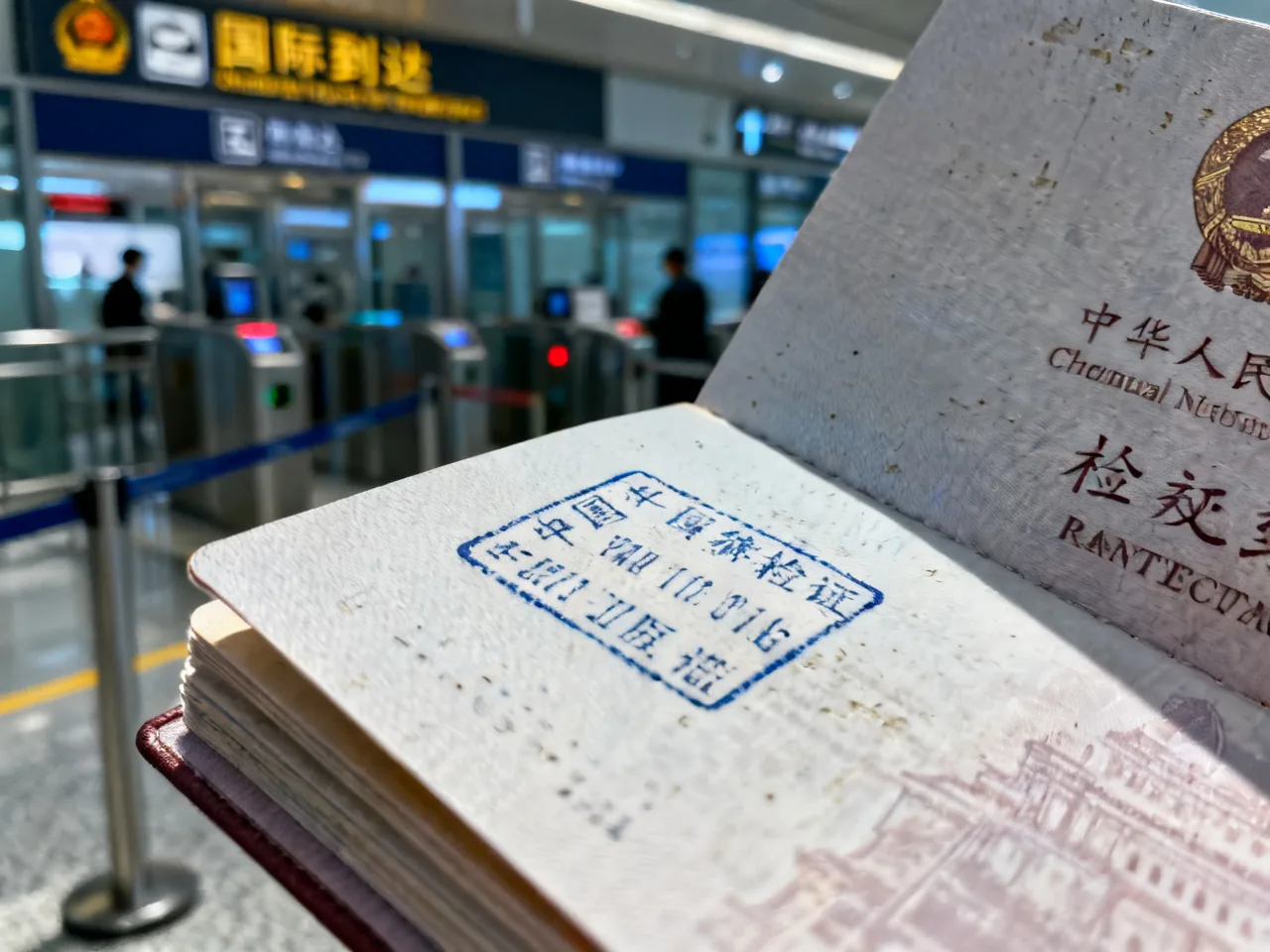
Getting through immigration visa-free is just step one. After landing, you’ll face several practical issues. Payment is the biggest — China is nearly cashless, but foreign tourists can now register for WeChat Pay and Alipay using their passports. Since 2024, both platforms have significantly lowered barriers for foreign users, supporting overseas credit card linking. If you still encounter situations where cash is refused, remember that this is actually illegal in China and you have every right to insist.
Mobile internet also requires advance planning. China’s internet environment is unique — Google, Instagram, WhatsApp, and similar services aren’t directly accessible. Consider preparing a VPN before departure or purchasing an eSIM with international roaming. You can also buy short-term Chinese SIM cards at the airport for 50-100 yuan.
2024 has been called China’s “Year One of Visa-Free.” Inbound foreign visitor numbers surged after policy liberalization — in the first half of 2024, foreign arrivals at national ports of entry increased over 150% year-on-year. The “China Travel” hashtag on social media exceeded 1 billion video views, with numerous foreign vloggers documenting a China dramatically different from stereotypes.
This wave of visa-free policies will very likely continue expanding. Policy signals suggest China is transitioning from “strict entry controls” to “actively attracting inbound tourism.” For travelers still on the fence about visiting China, this is probably the best window. Grab your passport, book a flight, and experience a country changing at astonishing speed. For budget planning after arriving in China, check out our budget travel guide.