甘南:忘れられたチベット秘境を巡る七日間の旅
The author first set foot in Gannan Tibetan Autonomous Prefecture on a July morning. Departing Lanzhou along the G213 national highway heading southwest, the altitude climbed steadily from 1,500 meters to over 3,000 meters, and the view outside the window shifted from the Loess Plateau to boundless alpine meadows. In that moment, it became clear that this land on the northeastern edge of the Qinghai-Tibet Plateau, tucked into southwestern Gansu Province, harbors one of China’s most underrated travel destinations.
Days 1–2: Xiahe and Labrang Monastery
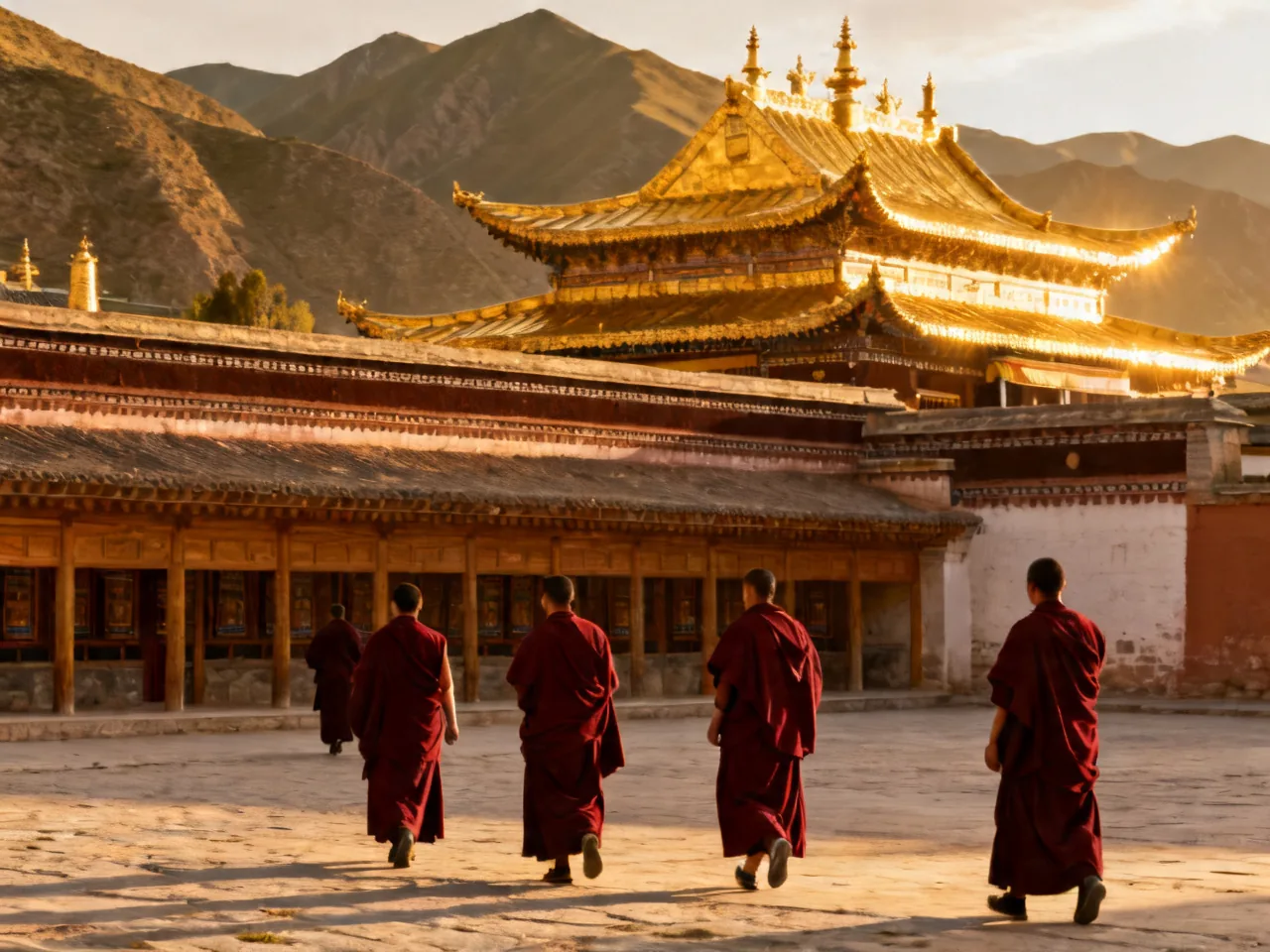
The journey through Gannan almost always begins in Xiahe County (elevation approximately 2,900m). This small town owes its fame to Labrang Monastery — one of the six great monasteries of the Gelug school, founded in 1709, and still one of Tibetan Buddhism’s most important academic centers, home to around 1,200 resident monks. The author walked slowly along the world’s longest prayer wheel corridor (approximately 3.5 km, housing over 1,700 prayer wheels), flanked by devout Tibetan pilgrims whose spinning wheels caught the morning light in flashes of copper. Since 2025, Labrang Monastery requires advance reservations for visitors; tickets cost 40 RMB, and booking through the “Gannan Cultural Tourism” WeChat mini-program one day ahead is recommended.
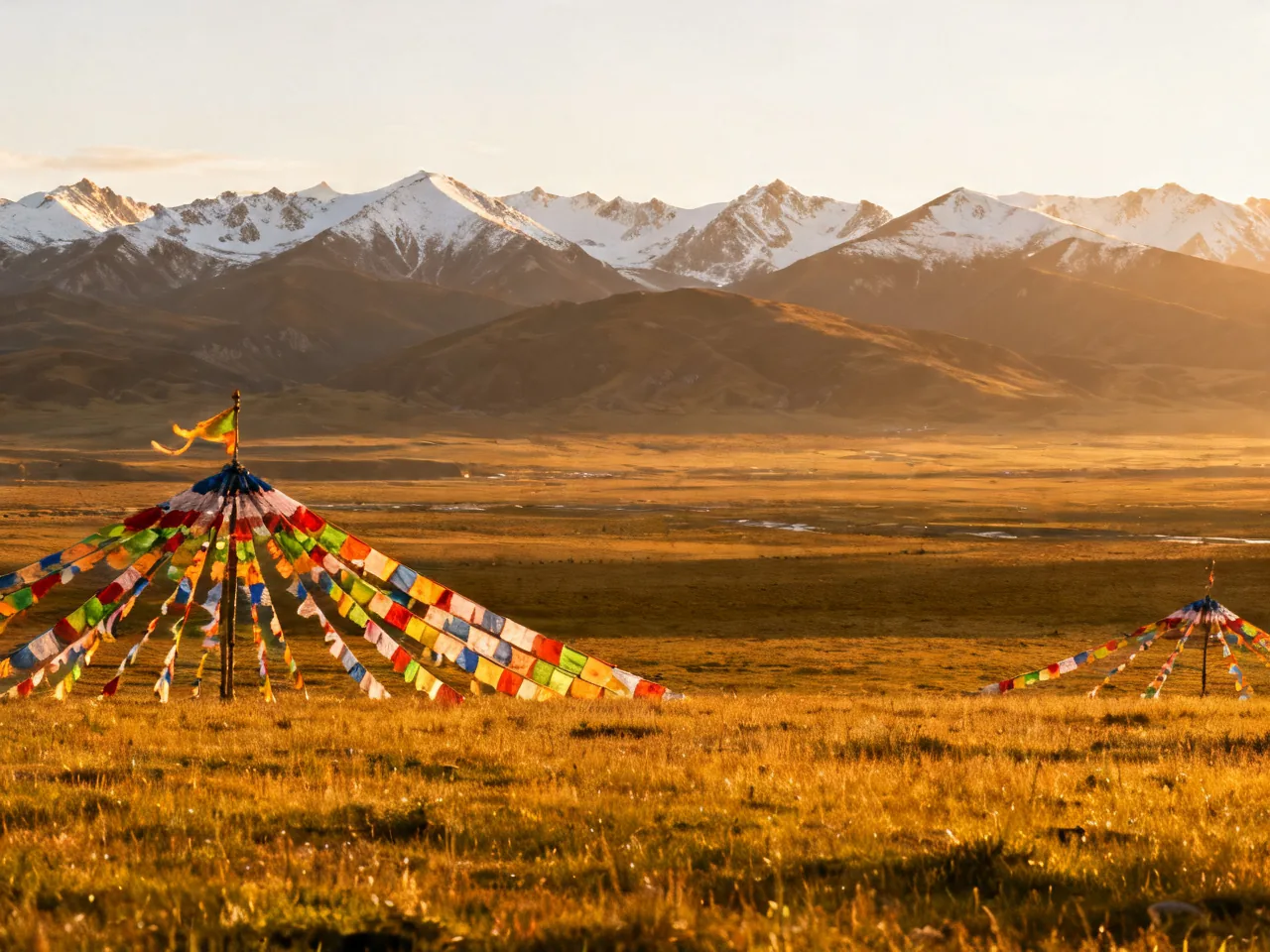
Another unmissable spot near Xiahe is Sangke Grassland, just 13 km from town. From June through August, wildflowers blanket the prairie, herders pitch black yak-hair tents, and visitors can try horseback riding (about 50–80 RMB/hour) and taste authentic Tibetan butter tea and tsampa. The author recommends spending a night at a tent camp on Sangke (roughly 200–400 RMB/night) — the Milky Way is visible to the naked eye, a spectacle unimaginable from any city.
Days 3–4: Zhagana Stone Fortress
A five-hour drive from Xiahe (via Hezuo and Luqu counties) leads to Zhagana in Diebu County. The name means “stone box” in Tibetan, and standing on the viewing platform looking down, the author finally grasped its precision — sheer limestone cliffs rise from 2,800m to 4,500m on all sides, cradling terraced Tibetan hamlets and emerald highland barley fields within their embrace. Zhagana was inscribed in the UNESCO Global Geoparks Network in 2023, and while infrastructure has steadily improved since, as of 2025 it still retains a gratifying sense of untouched authenticity.
Zhagana scenic area tickets cost 80 RMB (including shuttle bus). The author strongly recommends the “Fairy Meadow–Fairy Lake” loop hike (approximately 12 km, 5–6 hours), which passes through primeval forest, alpine pastures, and glacial lakes. Accommodation in the village ranges from 150 to 500 RMB/night for Tibetan-style guesthouses; during peak season (July–August), advance booking is essential. Note that Zhagana sits at considerable altitude — newcomers should watch for altitude sickness and consider bringing preventive remedies such as Rhodiola rosea supplements.
Day 5: Langmusi — A Buddhist Town Straddling Two Provinces
Langmusi is not the name of a single temple but of a small town. It straddles the border of Gansu and Sichuan provinces, with the White Dragon River flowing through its center. On the Gansu side stands Serti Monastery (30 RMB), and on the Sichuan side, Kirti Monastery (30 RMB) — the two face each other across the river, each with its own character. While hiking near the sky burial platform behind Serti Monastery, the author encountered circling vultures — a raw, solemn encounter with Tibetan views on life and death. In town, Lisa’s Restaurant has been a backpacker institution since the 1990s and still serves decent apple pie alongside Tibetan noodles. If you’re interested in the Sichuan-Tibet Highway route, Langmusi is a key node connecting Gannan to western Sichuan.
Day 6: Luqu Grasslands and Gahai Lake
Gahai Lake in Luqu County is Gannan’s largest highland freshwater lake (elevation 3,480m) and a habitat for rare migratory birds including black-necked cranes and swans. From May through September, the lakeside wetlands teem with life — the author spotted at least three pairs of black-necked cranes through binoculars, elegant creatures classified as National First-Class Protected Animals. Gahai Lake is free to visit, though it requires a roughly 50 km drive from Luqu town. The Zechi Stone Forest along the way is also worth a stop — this sandstone geological wonder hidden deep in a canyon costs 20 RMB to enter and takes about two hours to explore.
Day 7: Hezuo City and Milarepa Hall
The prefectural capital Hezuo (elevation 2,960m) serves as the journey’s final stop. Its Milarepa Hall is a rare multi-story pavilion-style structure in Tibetan regions — nine floors, over 40 meters tall, housing important statues from all schools of Tibetan Buddhism. Tickets cost 20 RMB, and climbing to the top offers panoramic views of the city and distant grasslands. Hezuo is also ideal for resupply and rest, with several decent hotels in the city center (standard rooms around 200–350 RMB/night) and direct buses to Lanzhou (approximately 4 hours, about 80 RMB). For travelers planning to continue to the Roof of the World in Tibet or embark on the Northwest Grand Loop self-drive, Hezuo is an ideal transit hub.
Over seven days, the author came to understand that Gannan’s allure lies not only in its magnificent natural scenery but in a Tibetan way of life not yet eroded by excessive commercialization. When you brush shoulders with monks in Labrang’s prayer wheel corridor, watch cooking smoke rise through Zhagana’s morning mist, or hear chanting echo through Langmusi’s narrow lanes — you understand that this forgotten paradise has preserved its most precious qualities precisely because it was forgotten.