 Travel Notes
All Articles
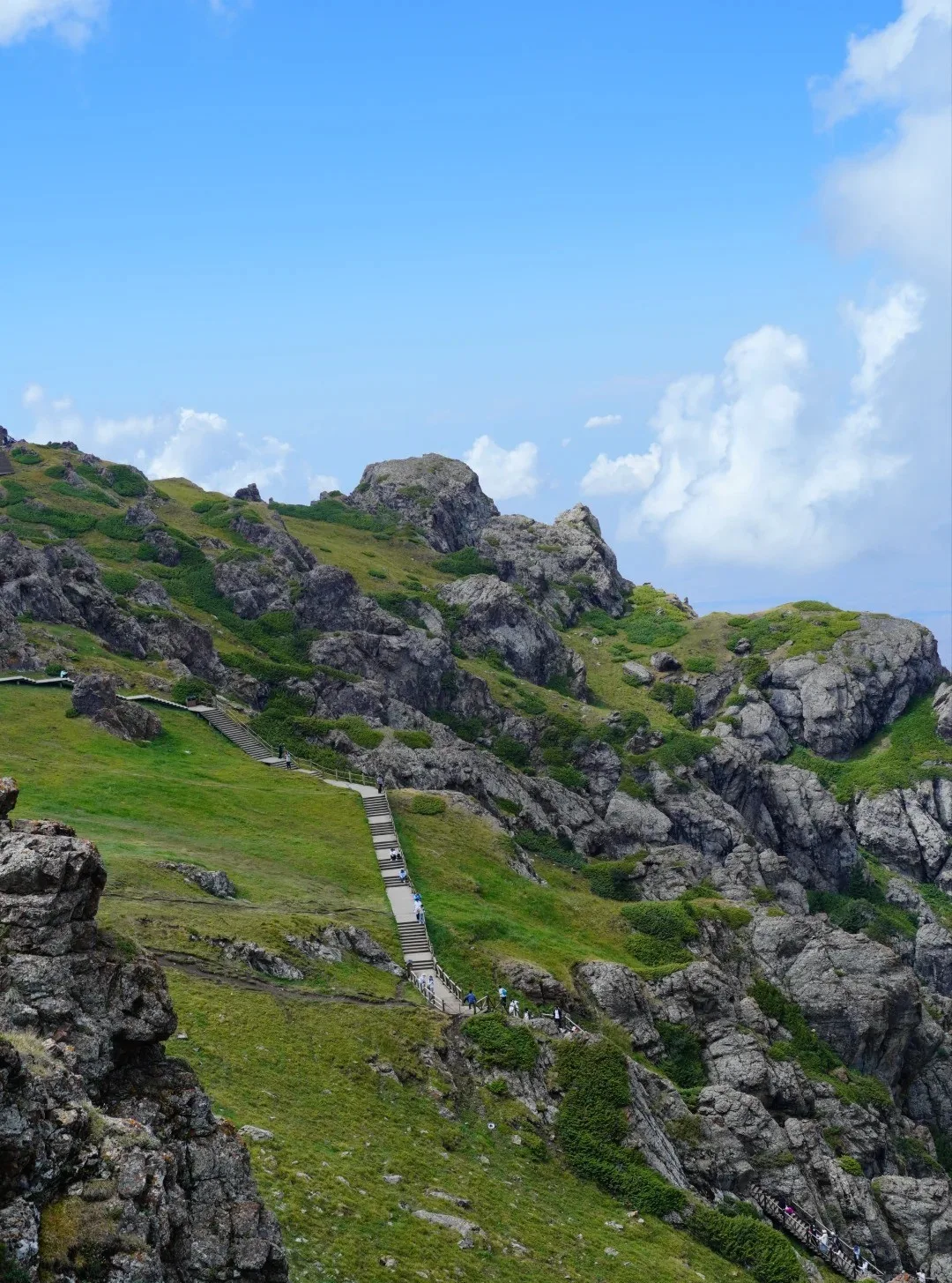
Tian Shan Tianchi: A Highland Lake Beneath Bogda Peak
Nestled north of Bogda Peak, Tianchi is a glacial lake fed by snowmelt at 1,910 m. The legendary "Yaochi" of Chinese myth, it is now a 5A scenic area where snow peaks, spruce and water share one frame. Peak and off-season pricing differ sharply.
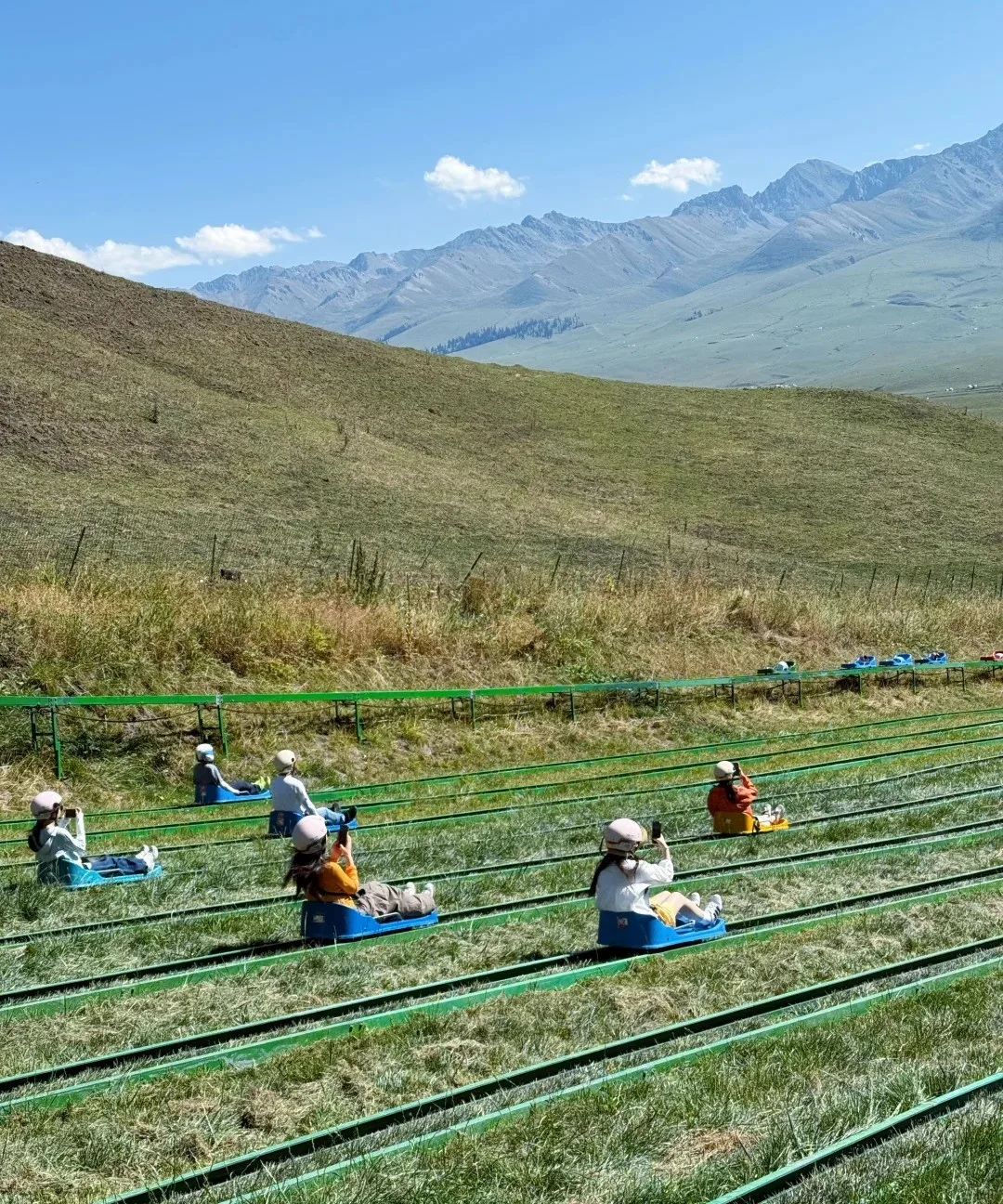
Nalati Grassland: The "Sky Prairie" Hung on the Tianshan
At the eastern end of the Ili Valley and above 1,800 m, Nalati is called the "Sky Prairie". From June to September green waves roll and wildflowers carpet the ground, while Kazakh herders have grazed here for generations. Drive from Yining or fly to Nalati airport.
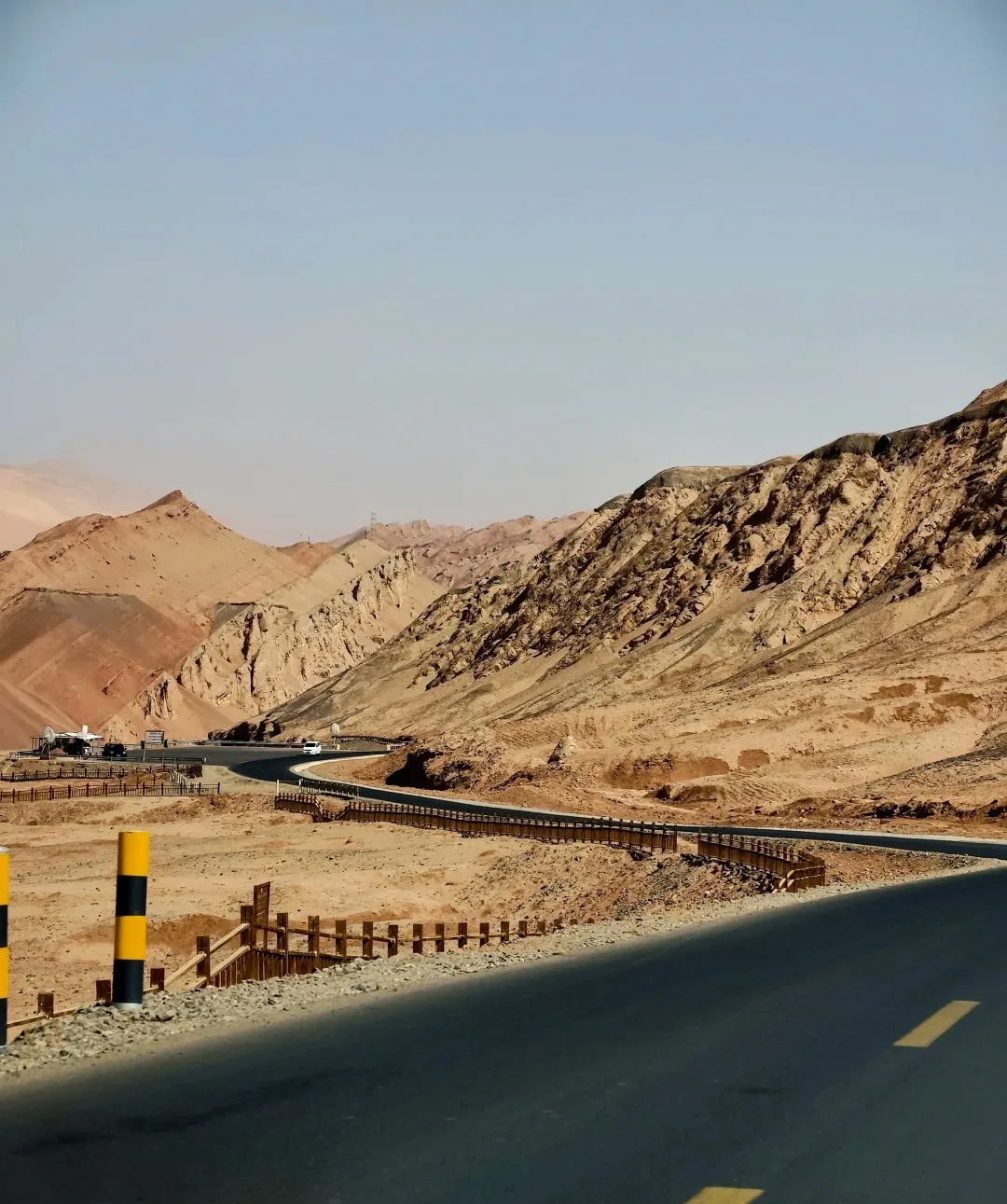
Turpan Flaming Mountains: A Fiery Legend from Journey to the West
The Flaming Mountains run 98 km along Turpan's northern basin, famed as the "eight-hundred-li flame" of Journey to the West. Peak 831.7 m, summer ground hits 82.3 °C.
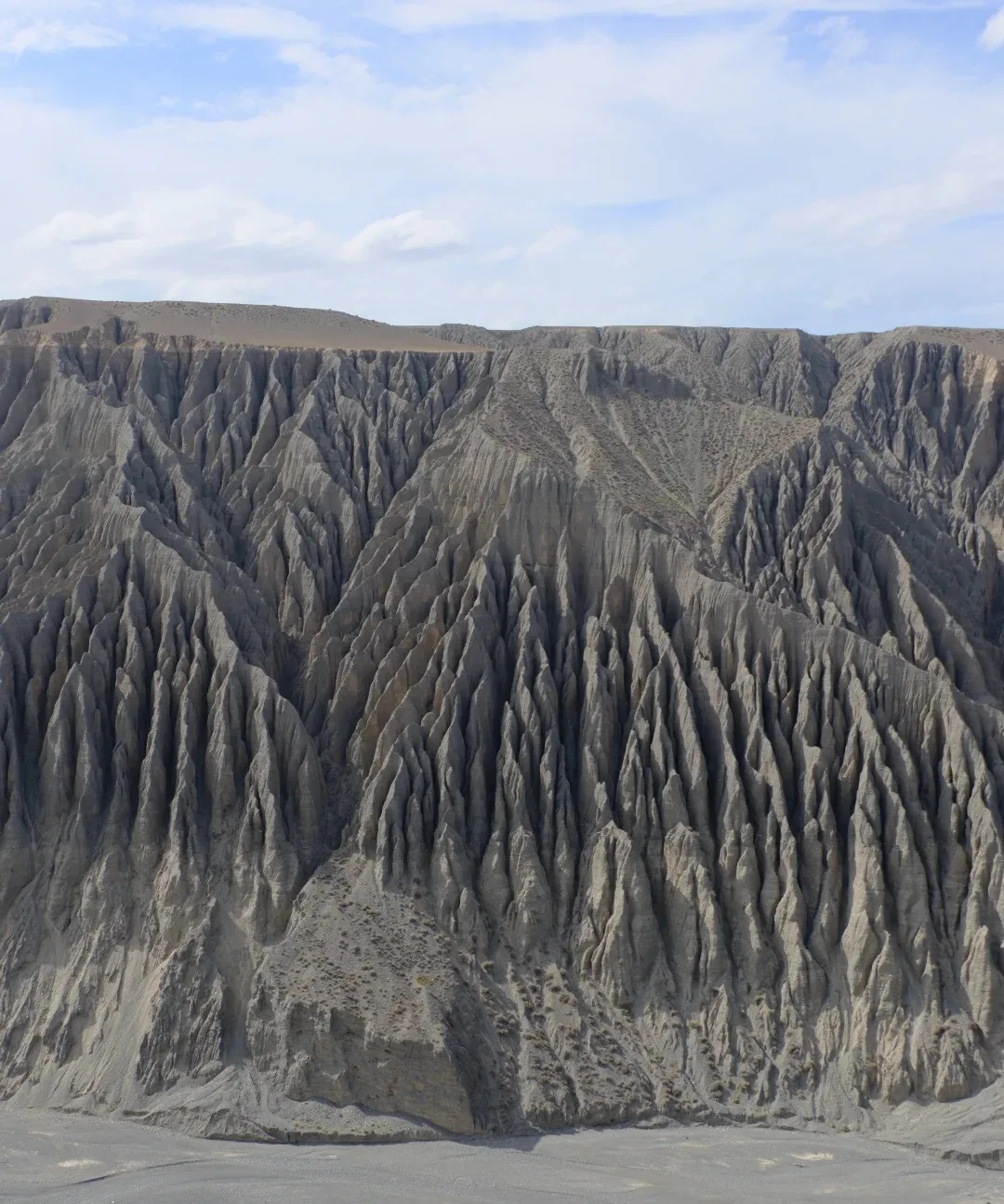
Dushanzi Grand Canyon: A Red Rift at the Foot of the Tianshan
Tucked in Dushanzi District of Karamay, this red canyon was carved by the Kuytun River over millions of years. Near-vertical walls show red, yellow and grey strata; dawn and dusk light it best. A glass walkway and cliff swing wait for the brave.
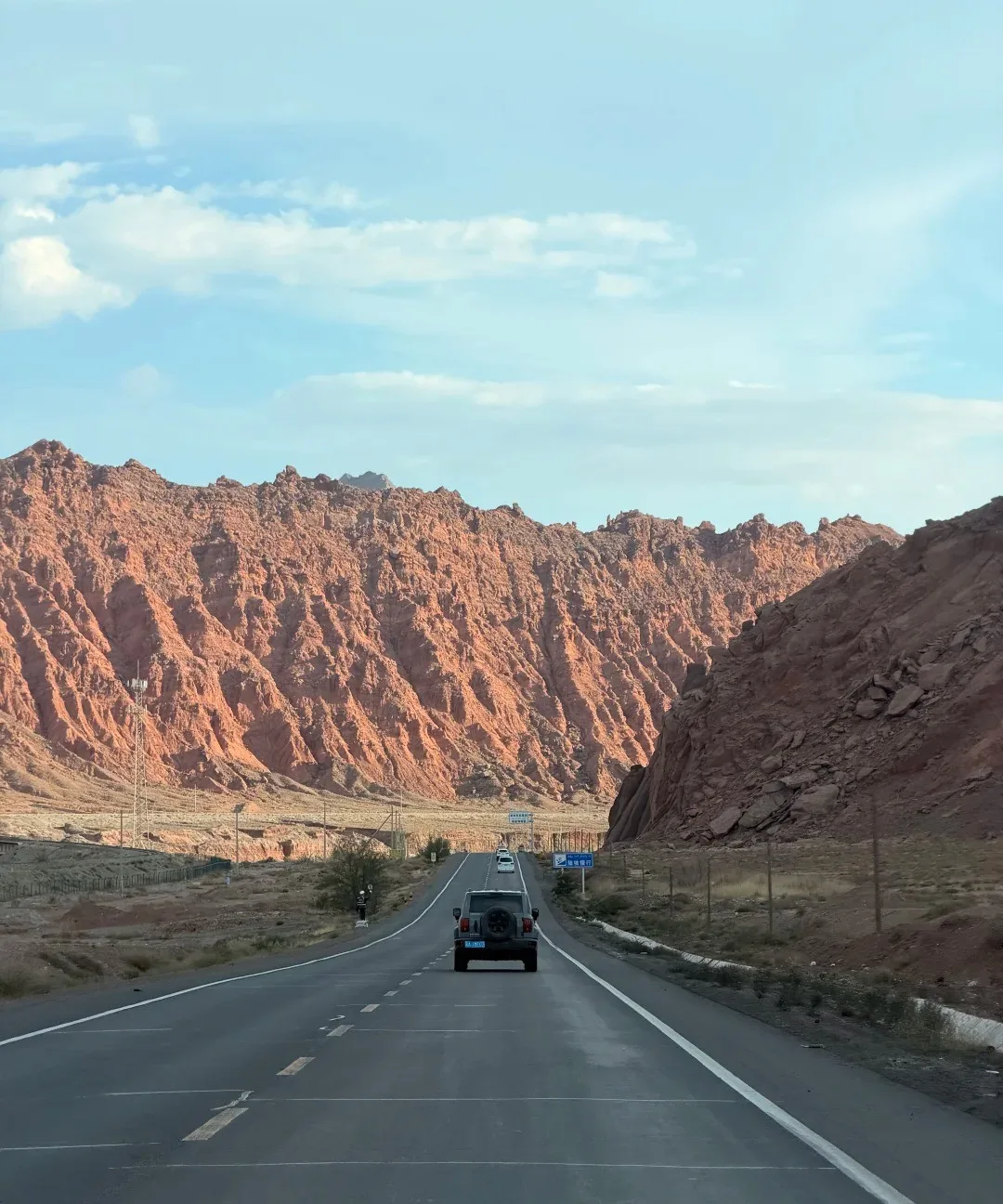
Duku Highway: A Scenic Corridor Through the Tianshan
The Duku Highway is the Dushanzi–Kuqa stretch of G217, about 561 km long, crossing the Tianshan to link northern and southern Xinjiang. Snow peaks, canyons and meadows take turns along the way, earning it a place among China's most beautiful roads. Open only June to September, it tops many road-trip wish lists.
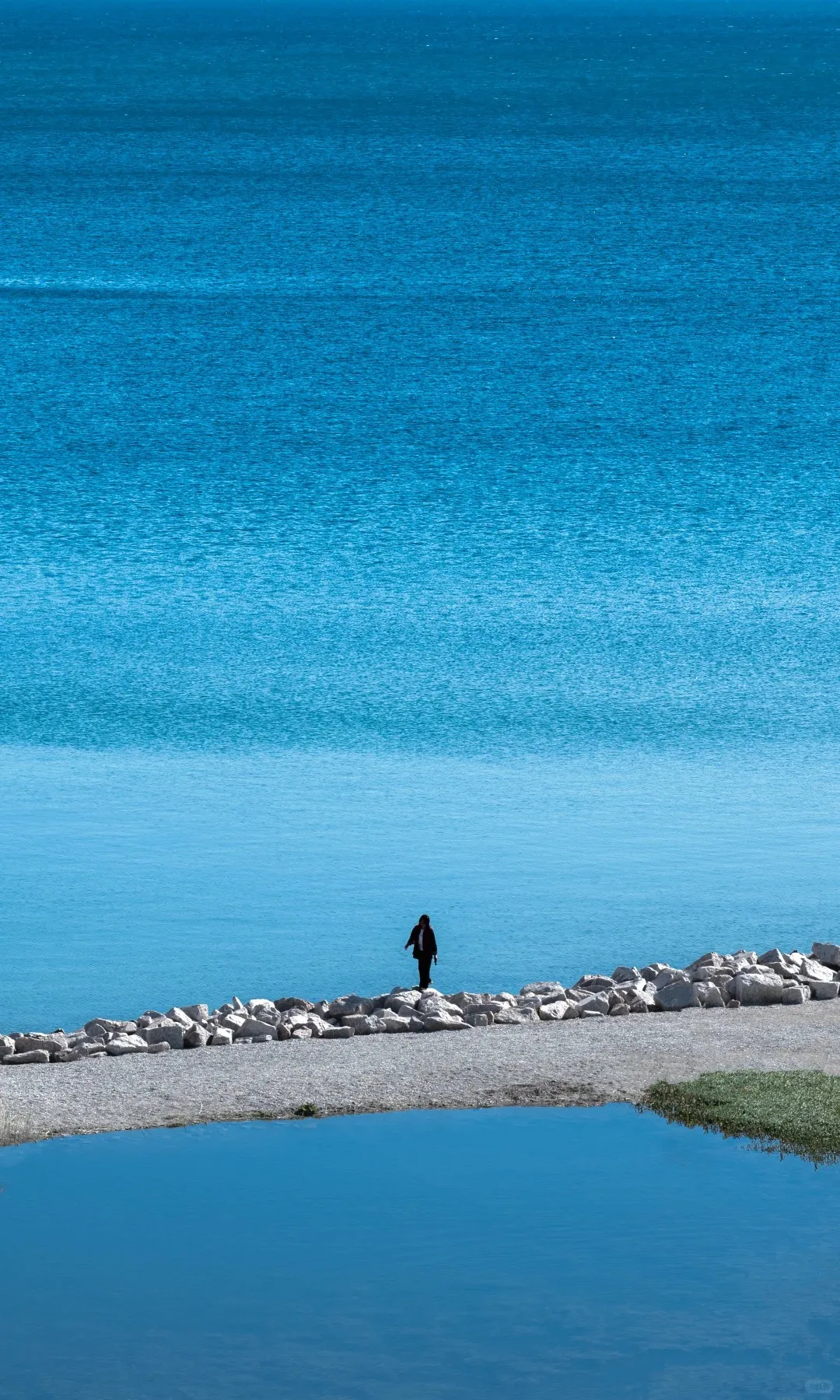
Xinjiang: 1.66 Million Square Kilometres, from Kanas to Kashgar
The Xinjiang Uyghur Autonomous Region covers 1.66 million square kilometres in China's far northwest, the largest province-level area in the country. Three mountain ranges holding two basins string together glaciers, grassland, desert oases and Central Asian old towns along one route. Locals divide it simply: nature in the north, people in the south, the Silk Road in the east. Kanas Lake and the timber houses of Hemu, the layered grassland of the Ili valley and Sayram Lake, the lanes of old Kashgar and the Pamir plateau, the jade bazaar at Hotan and the Taklamakan highway, the Flaming Mountains and the karez wells of Turpan.
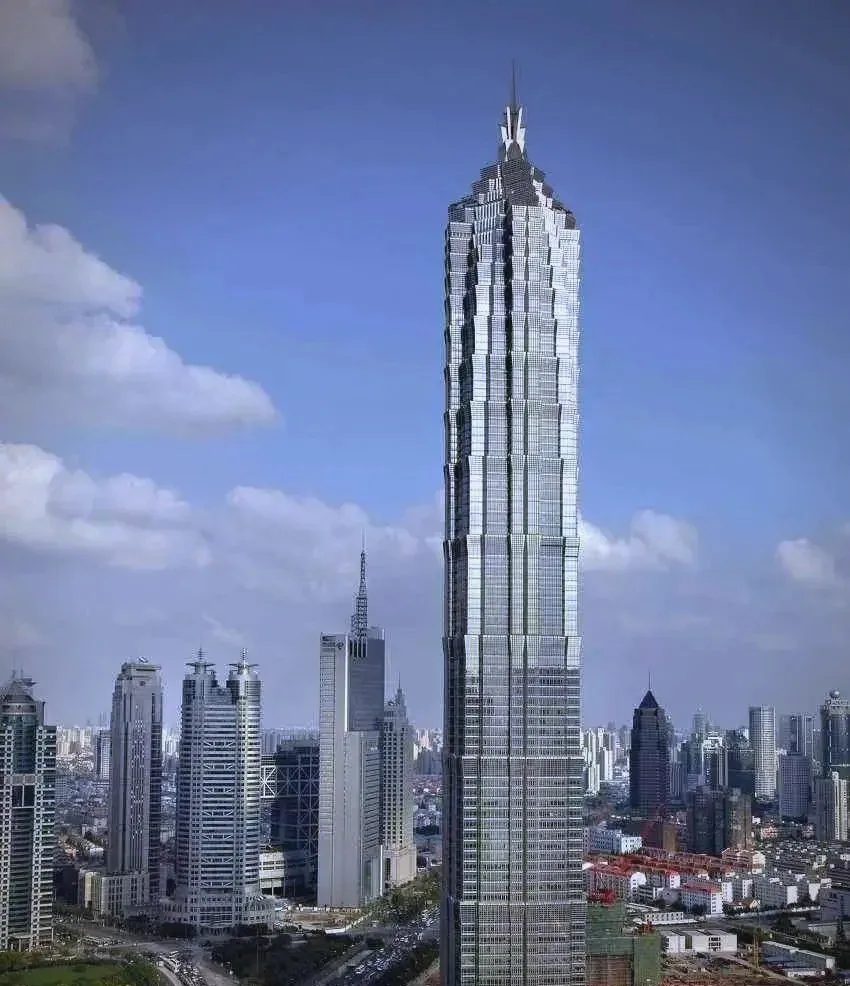
Jin Mao Tower: A 420.5-Metre Pagoda with Thirteen Tapering Stages
Jin Mao Tower stands in Lujiazui in Pudong. At 420.5 metres and eighty-eight storeys, it was the tallest building in mainland China when it finished in 1999 and remains one of the most recognisable high-rises in Shanghai. Adrian Smith of the American firm SOM led the design; the facade narrows in thirteen stages into a pagoda shape, a phrase about climbing step by step. The eighty-eighth floor observation deck sits at 340 metres over about 1,520 square metres, one of the earliest high-level viewing platforms in the city.
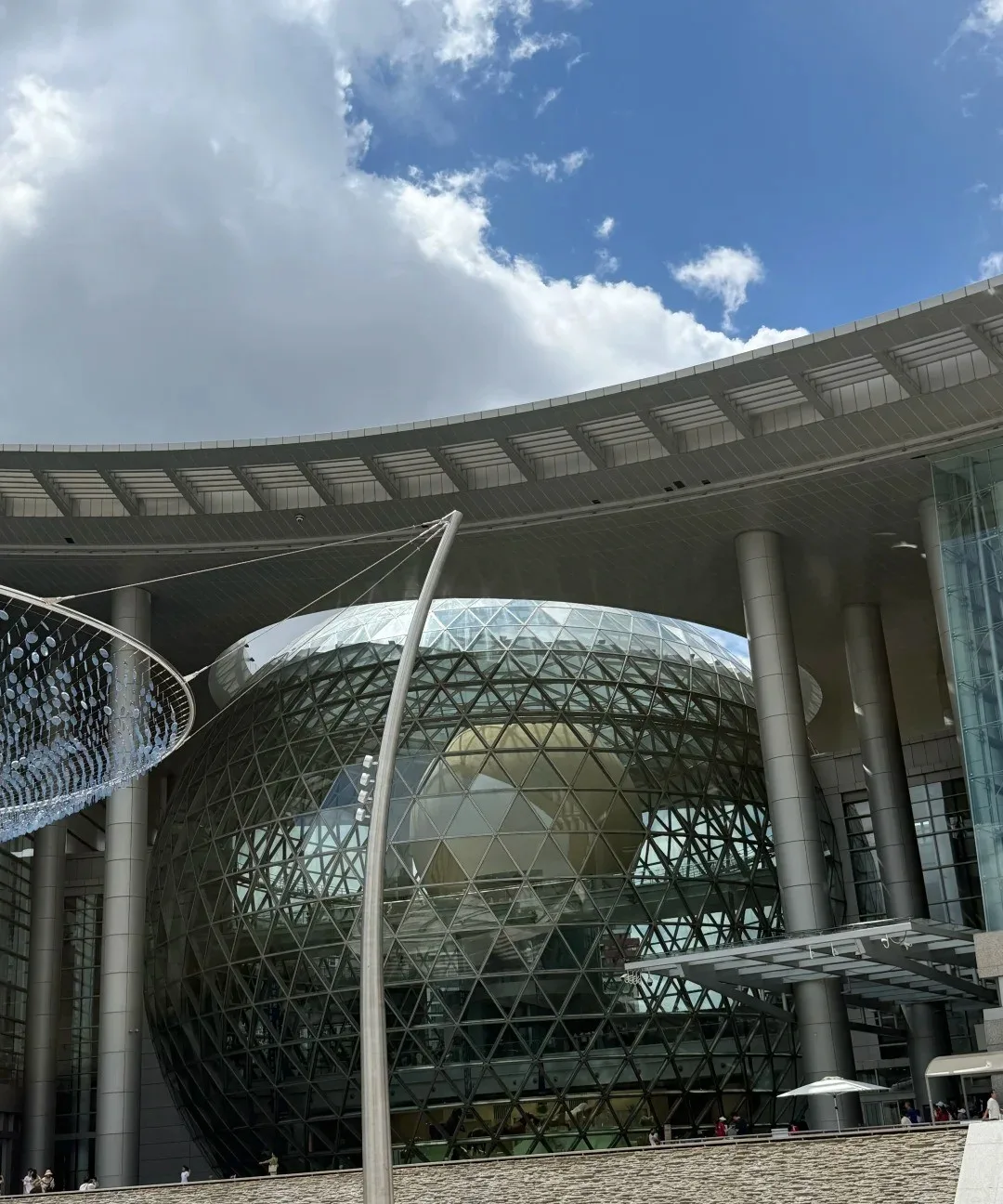
Shanghai Science and Technology Museum: a science classroom on Century Avenue
At 2000 Century Avenue in Pudong, this museum covers 68,000 square metres and opened in December 2001 with the theme of nature, people and technology. Thirteen permanent galleries and two cinemas make it the city's most popular science venue for families, and an adult ticket costs forty-five yuan.

Shanghai Haichang Ocean Park: the sea at Lingang
On the shore of Dishui Lake in Lingang, Pudong, this park opened in November 2018 across 29.7 hectares. Five themed zones and six animal halls include an orca theatre and the world's first Ultraman pavilion, making it the largest ocean park in East China.
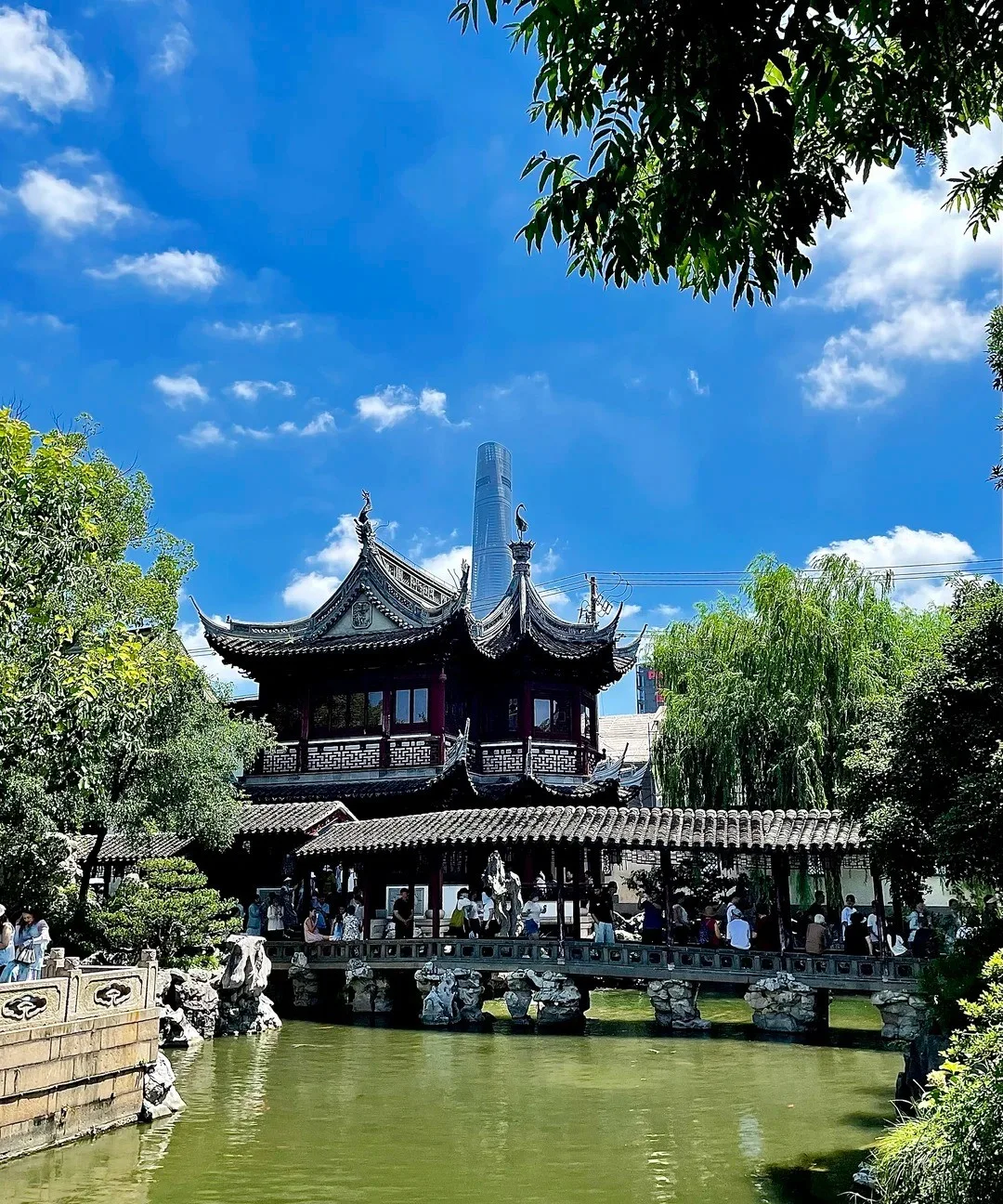
Yu Garden: A Private Garden of Four Centuries Ago, Tucked Behind Nanjing Road
Yu Garden sits in the north-east of the old town in Huangpu. It began in 1559, when Pan Yunduan, a provincial treasurer of Sichuan, built it to keep his father comfortable, hence the name meaning joy for the elders. The original covered under thirty mu; today, with the Inner Garden, it is about 1.8 hectares, the only fully surviving Ming garden in Shanghai and a national protected monument since 1982. The great rockery of Taihu stone at the entrance is Ming original, and outside the gate lie the nine-turning bridge and the noise of the City God Temple.
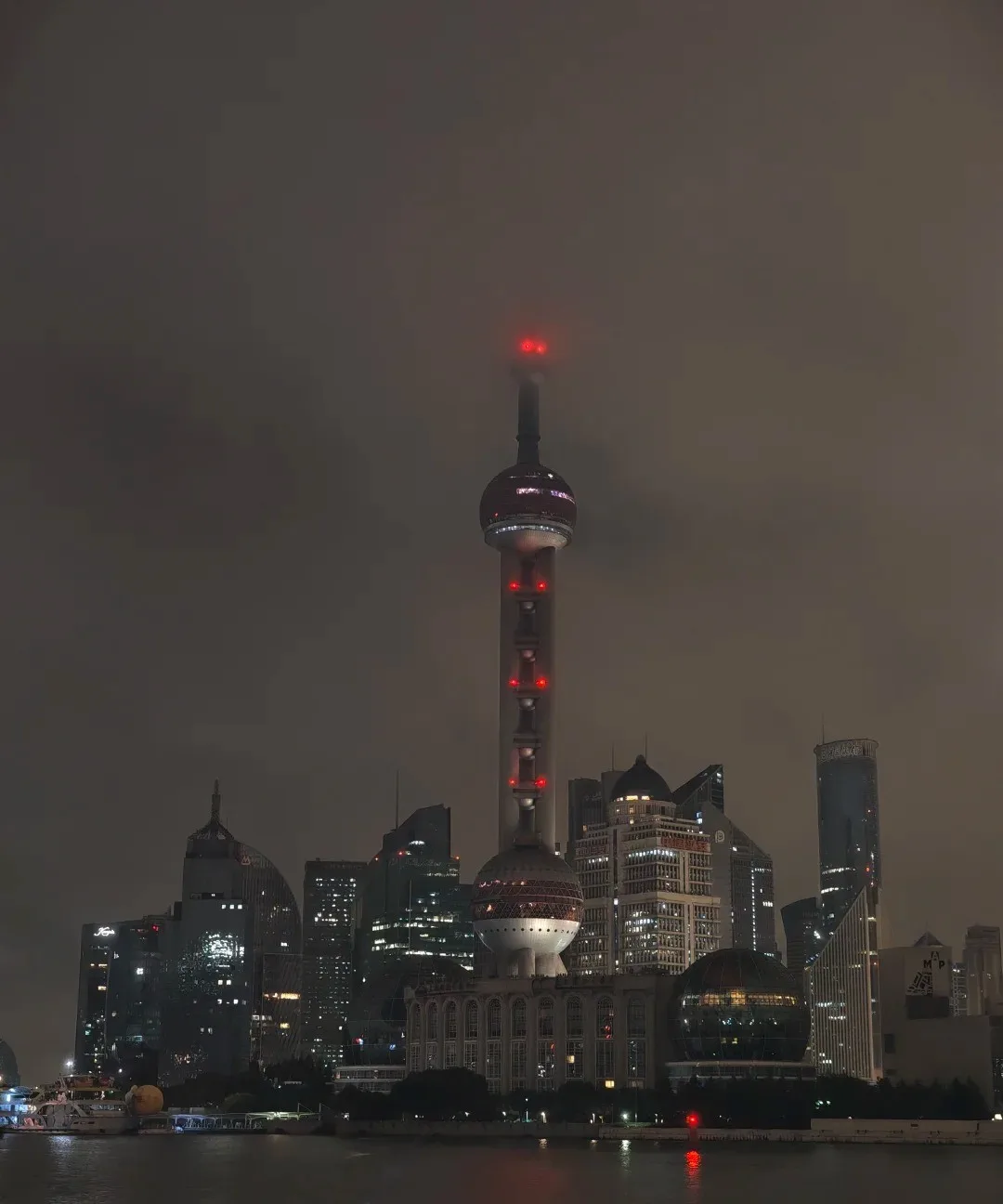
The Bund: One and a Half Kilometres Where Two Centuries of Shanghai Stand Side by Side
The Bund runs from Garden Bridge in the north to Jinling Road East in the south, a little over 1.5 kilometres. Fifty-two buildings of the modern era stand along it, twenty-three of them national protected monuments, and in 1996 the Bund architecture grouping entered the World Heritage list. By day it is red brick and Ionic columns; after dark the whole row sinks into a golden edge while Lujiazui answers from the far bank. Free and open around the clock.
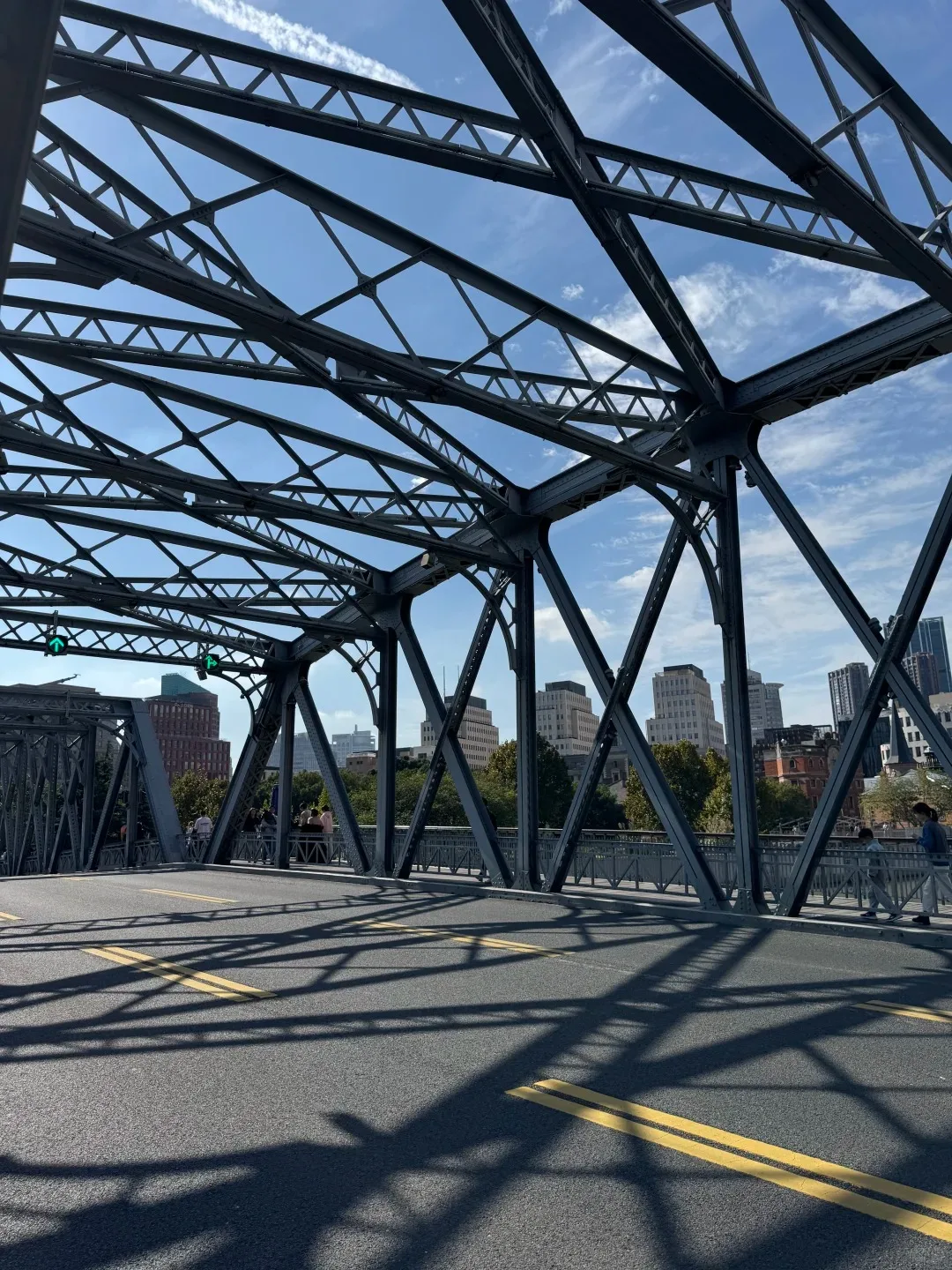
Shanghai: Two Shores of the Huangpu, Foreign Architecture and a Skyline
Shanghai goes by the short form Hu and the old name Shen, sits where the Yangtze meets the sea and belongs to East China. The Huangpu divides the city in two: west, the foreign-built architecture, lane houses and plane-tree streets of the treaty-port years; east, the towers of Lujiazui. From the museum at People Square to the Bund, across on a two-yuan ferry, up to the 546-metre deck of the Shanghai Tower; then turn into the old town for Ming rockeries at Yu Garden, the nine-turning bridge at the City God Temple, or an afternoon in the narrow lanes of Xintiandi and Tianzifang.
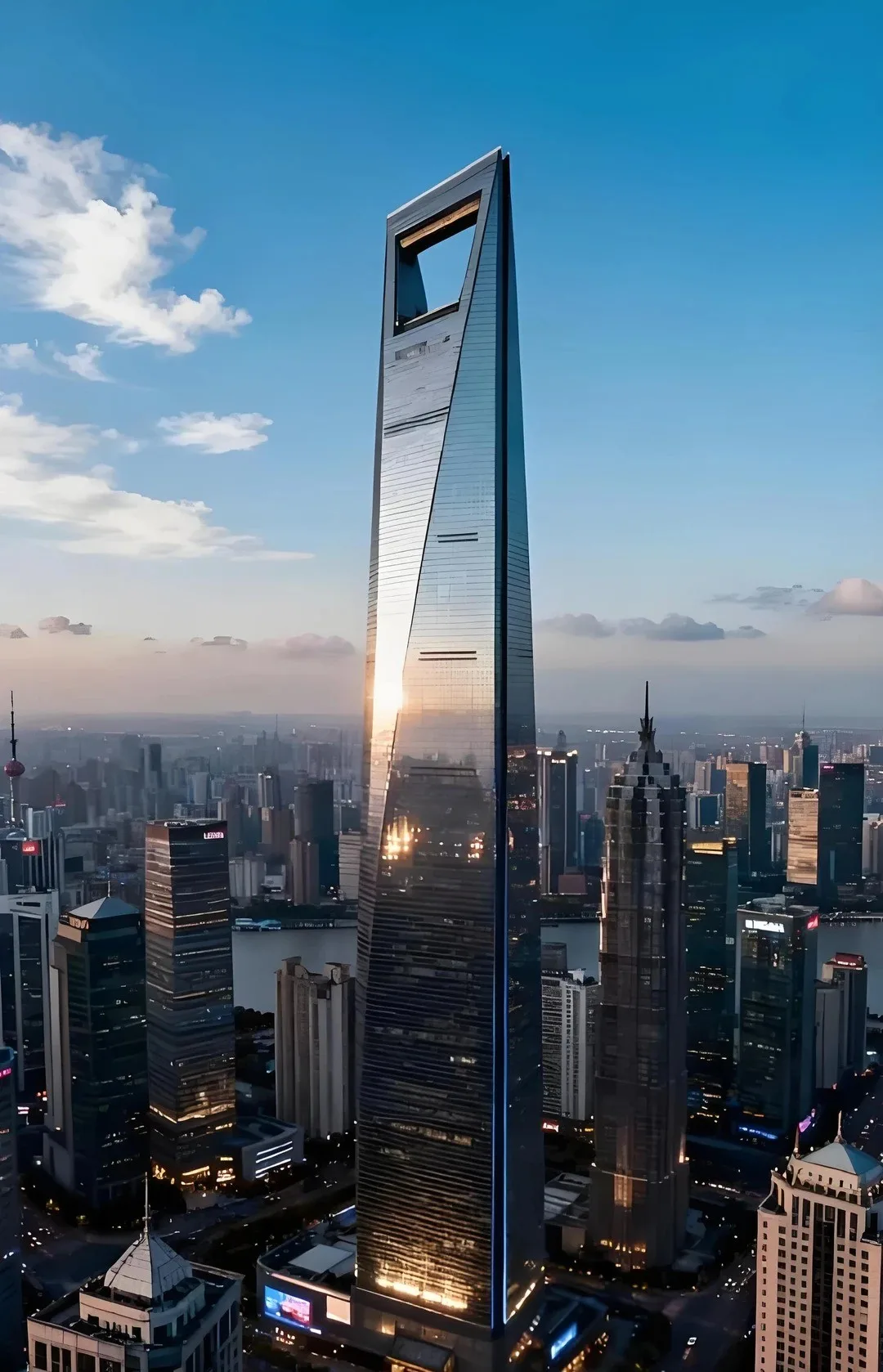
Shanghai World Financial Center: the 474-metre observatory
The first of Lujiazui's three towers to top out, 492 metres and 101 floors, opened in 2008. Its observatory on floor 100 sits at 474 metres above a fifty-five-metre stretch of transparent glass floor — the earliest place in Shanghai to leave you hanging in mid-air.
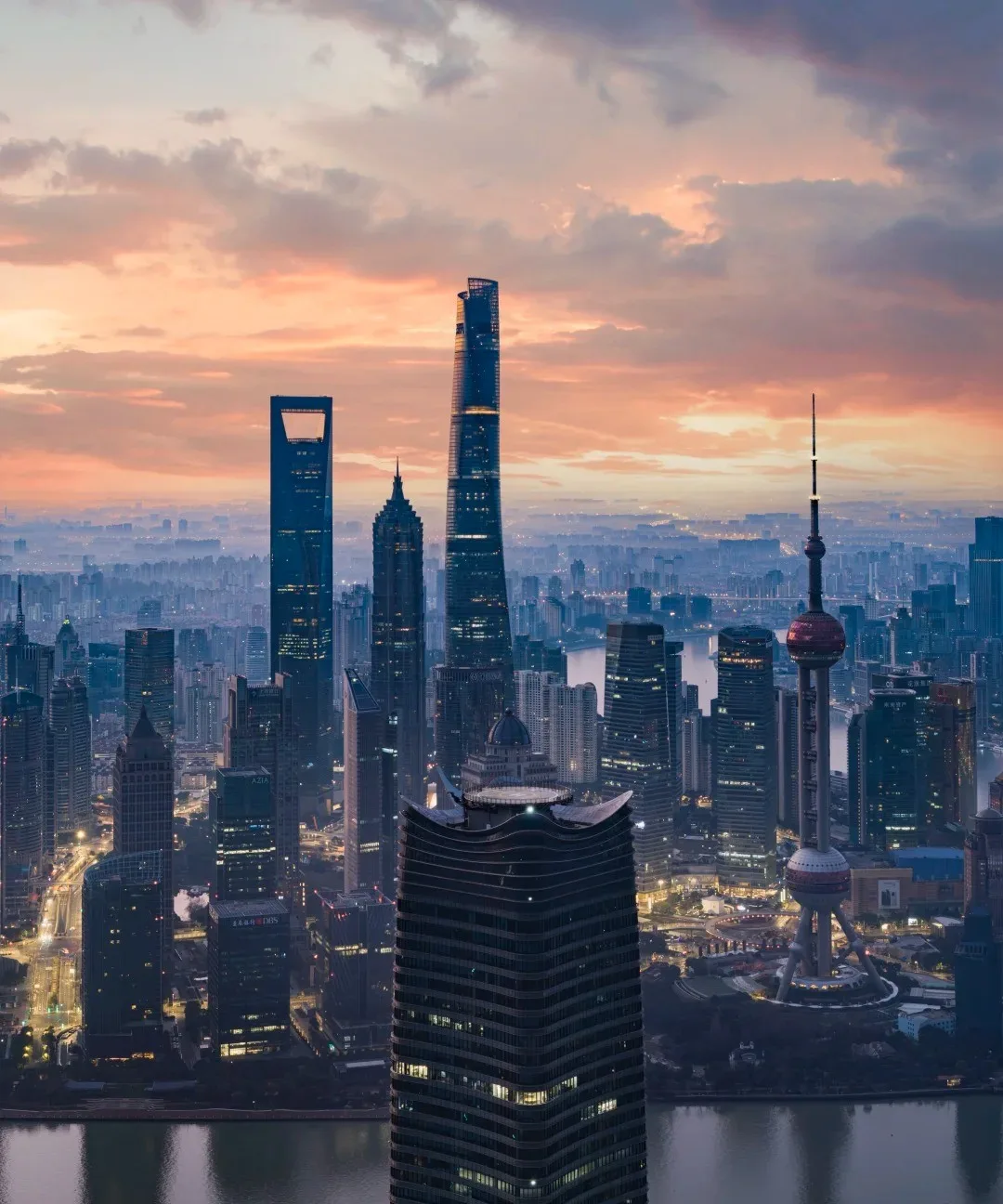
Oriental Pearl Tower: a 468-metre television tower
On the Huangpu in Lujiazui, 468 metres tall and open since May 1995, this was China's first television tower designed and built entirely by Chinese teams. Three observation levels — the space capsule, upper sphere and lower sphere — frame the classic view across the river.
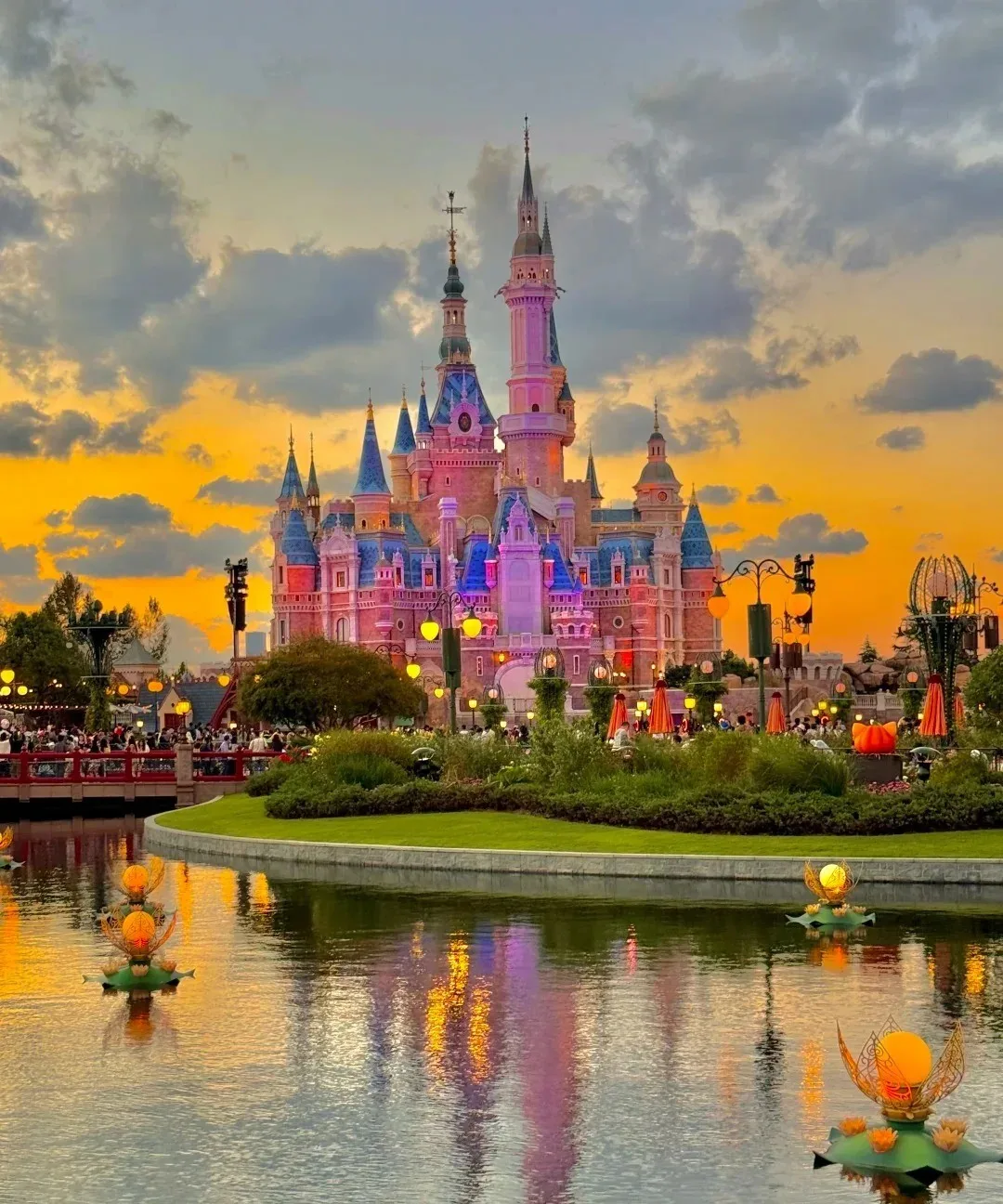
Shanghai Disneyland: The First in Mainland China, and How to Fit a Whole Day Inside
It opened on 16 June 2016 over 1.16 square kilometres, 3.9 with the resort around it, the first Disney park in mainland China and sixth in the world. Beyond the six themed lands, a seventh, Zootopia, opened in December 2023 as the first of its kind anywhere. Its centre piece, Enchanted Storybook Castle, stands about 69.28 metres tall, the tallest, largest and most playable castle Disney has built. Metro line 11 drops you at the gate, some forty minutes from the centre.
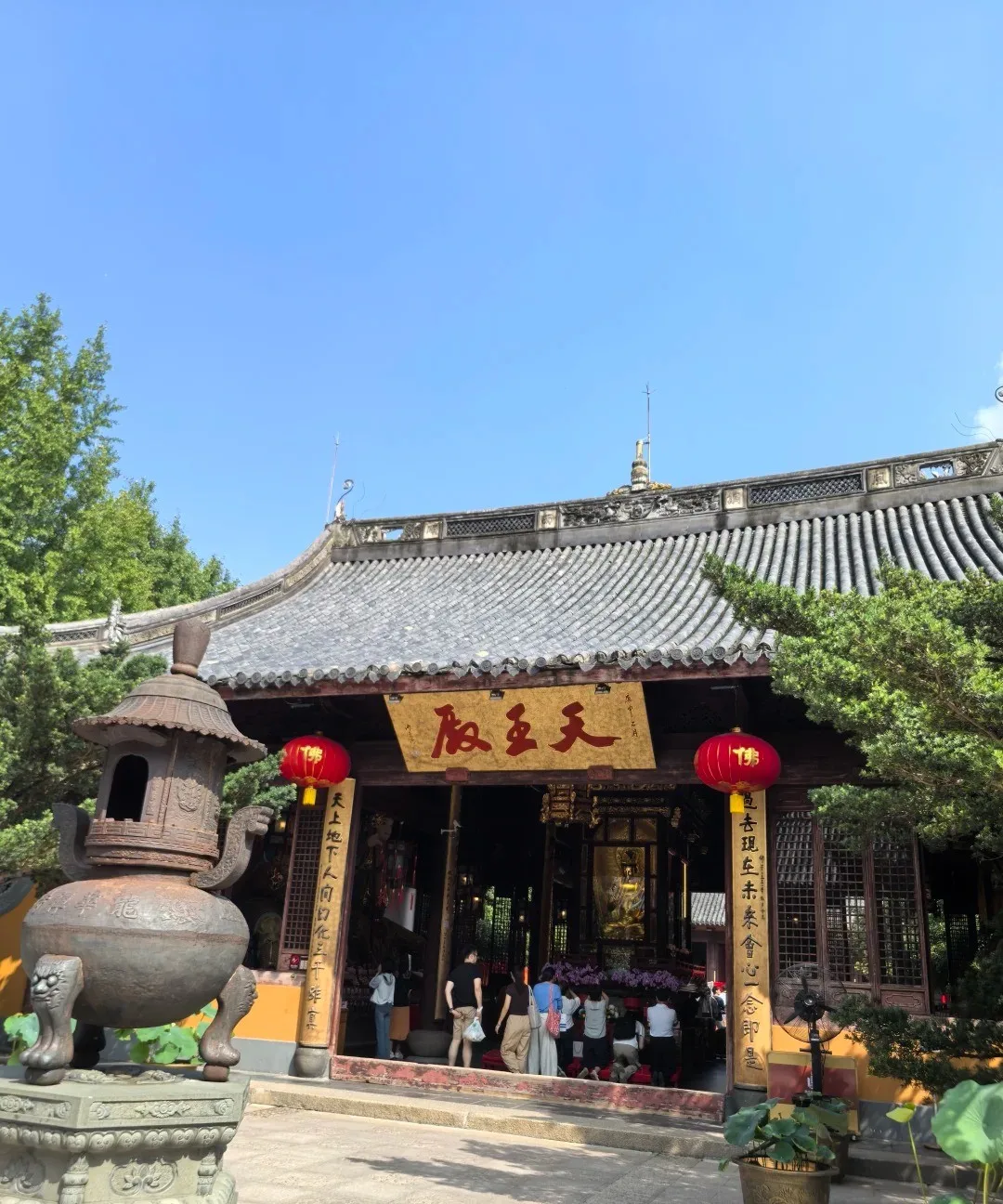
Longhua Temple: The Oldest Buddhist Temple in Shanghai, With Its Pagoda Still Standing Where It Always Was
Longhua Temple stands at 2853 Longhua Road in Xuhui and goes by the name first ancient temple of Shanghai. Its founding is put in the Chiwu era of the Three Kingdoms, around 247 CE, though documented history reaches back to the Tang. The site covers about 28,000 square metres. The octagonal pagoda is a national protected monument, and the axis runs through the Maitreya Hall, the Hall of Heavenly Kings, the Hall of Mahavira and the Hall of the Three Saints. The New Year fair is a national intangible heritage item. Entry is free.
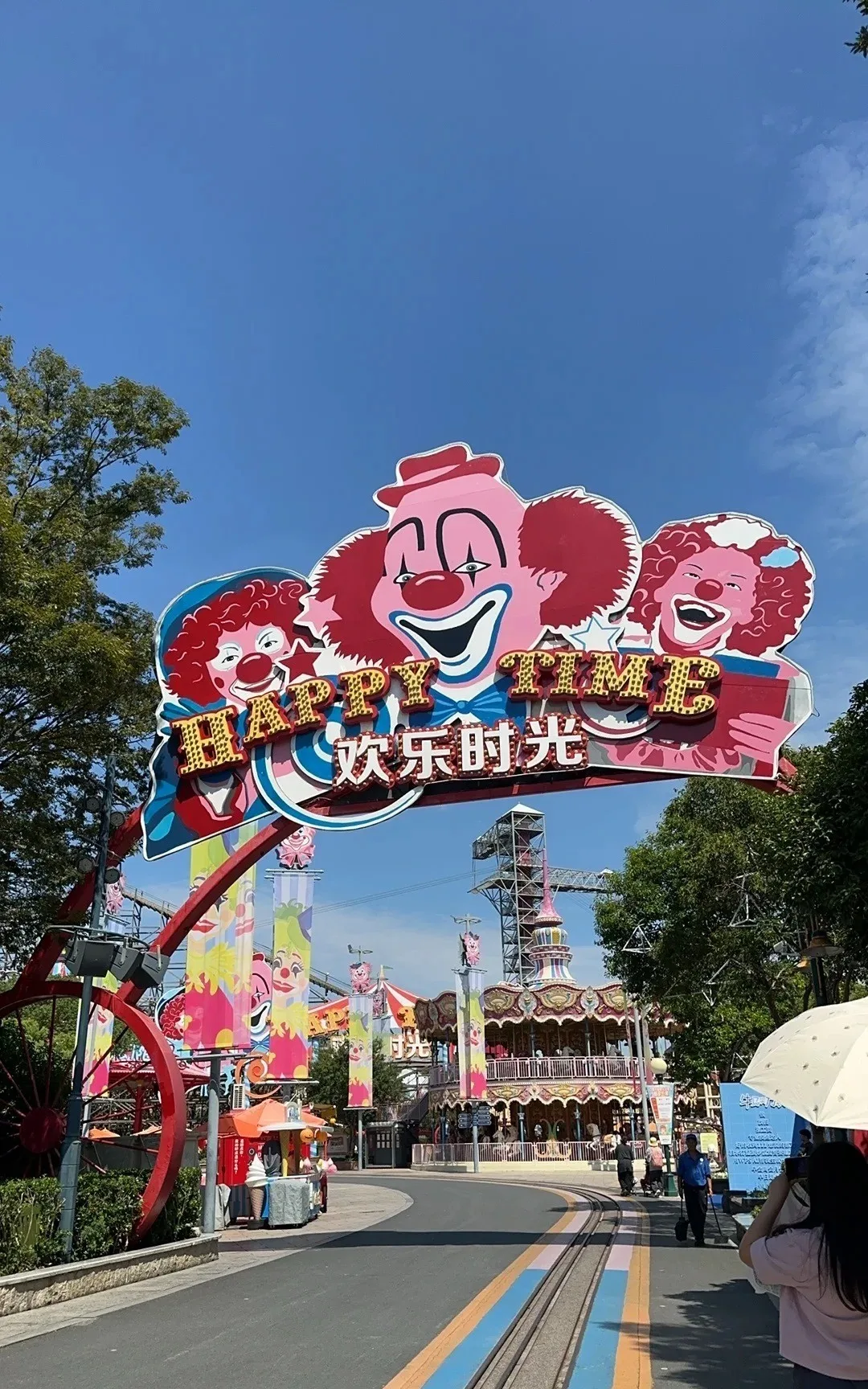
Shanghai Happy Valley: a coaster cluster in Songjiang
At 888 Linhu Road in Songjiang, opened in September 2009 across about 650,000 square metres. Seven themed zones and more than a hundred rides include the world's tallest wooden coaster and China's first double-loop machine.
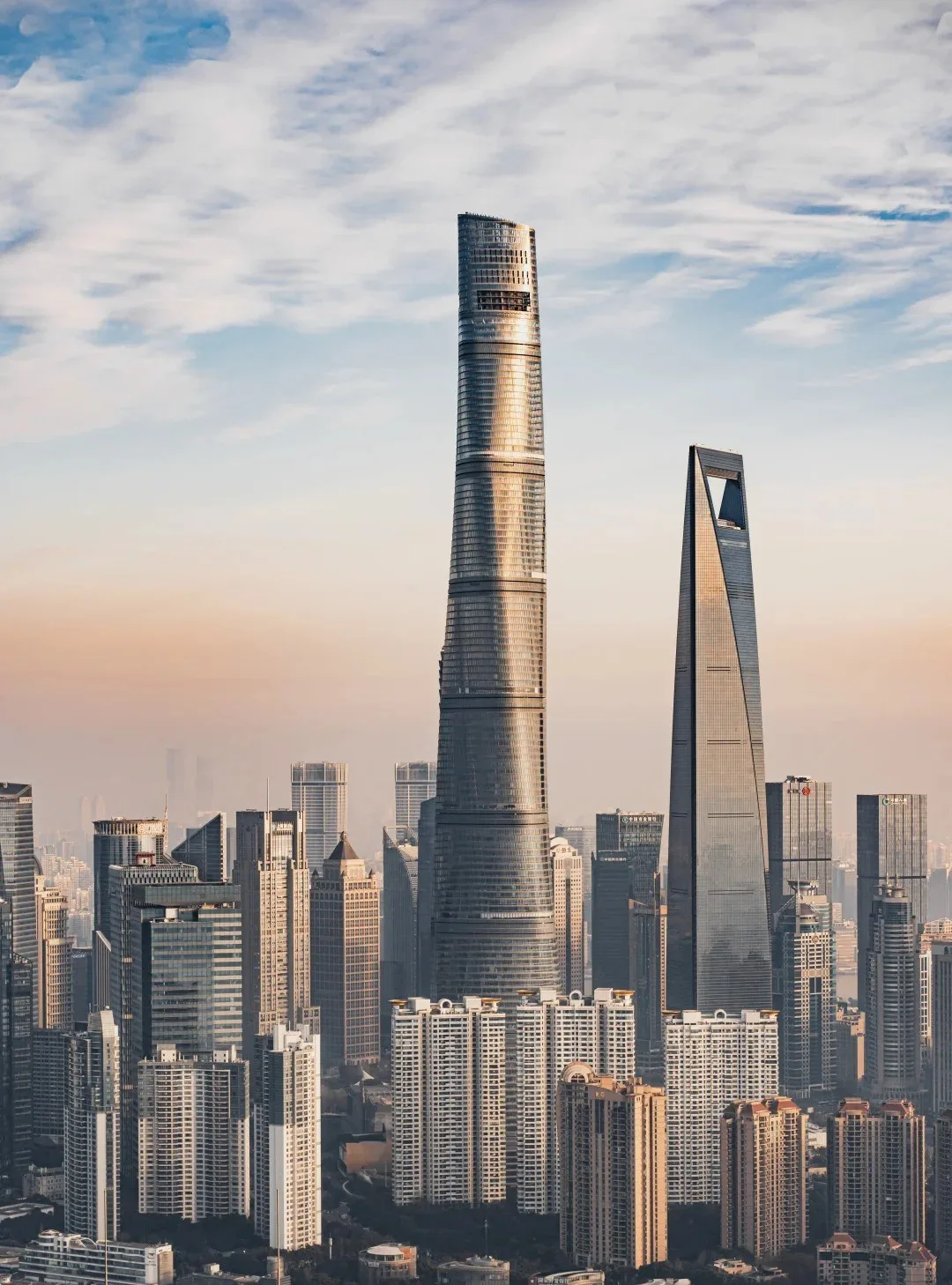
Shanghai Tower: a vertical city at 632 metres
In the heart of Lujiazui, 632 metres tall and 127 floors above ground, fully open since 2016 — China's tallest building and third in the world. The observatory sits at 546 metres on floor 118, a 1,000-tonne damper fills floor 126, and the city's highest bookshop is on 52.
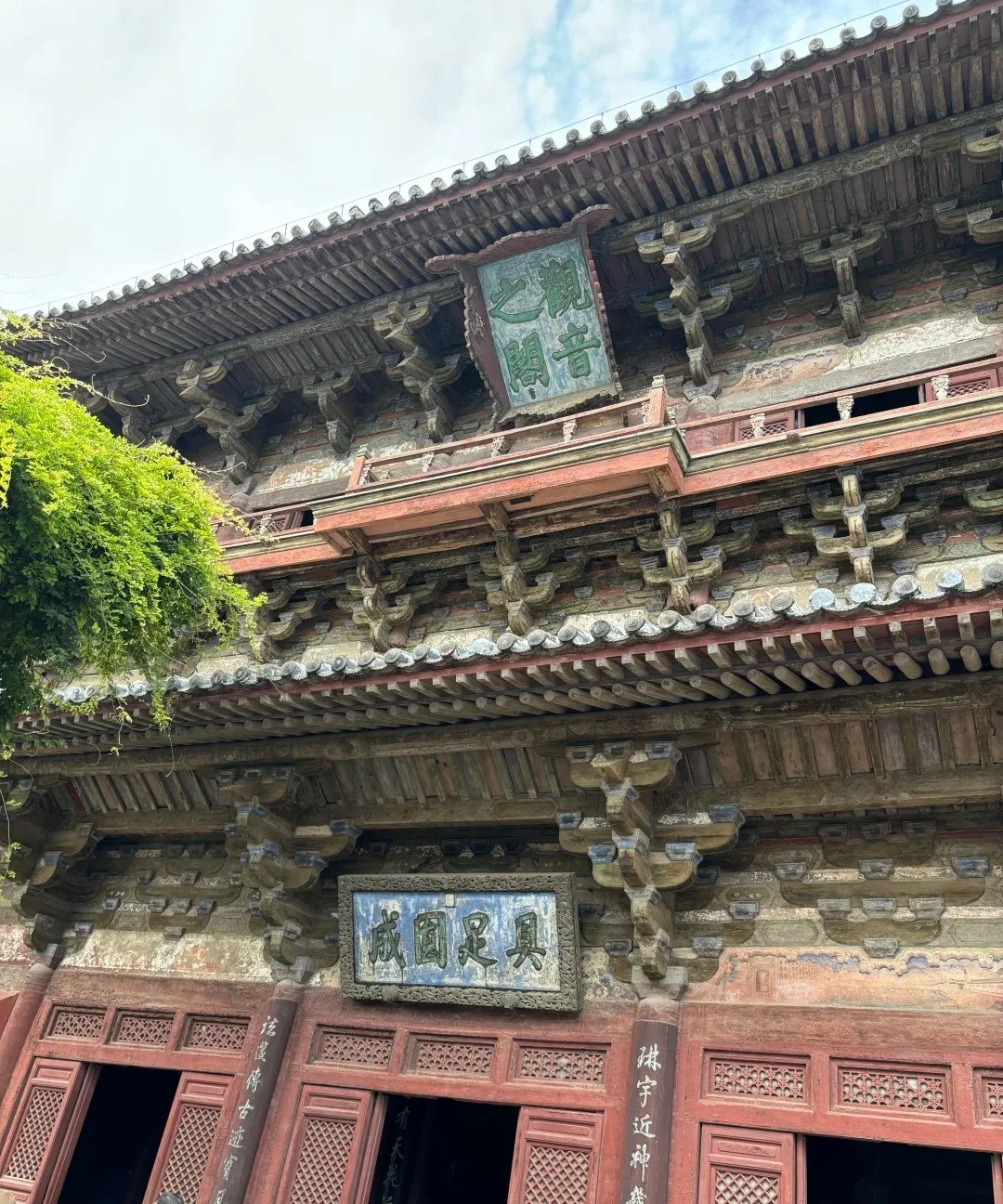
Dule Temple: The Liao-era Guanyin Pavilion Liang Sicheng Called a Priceless Treasure
Dule Temple, also the Great Buddha Temple, stands in Jizhou, Tianjin, among the oldest surviving wooden high-rise pavilions in China and one of its three great Liao-dynasty monasteries. Its heart, the Guanyin Pavilion, rises 23 metres and shelters a eleven-faced clay Guanyin 16 metres tall — the largest ancient clay Guanyin image extant. The architect Liang Sicheng called it a priceless treasure.
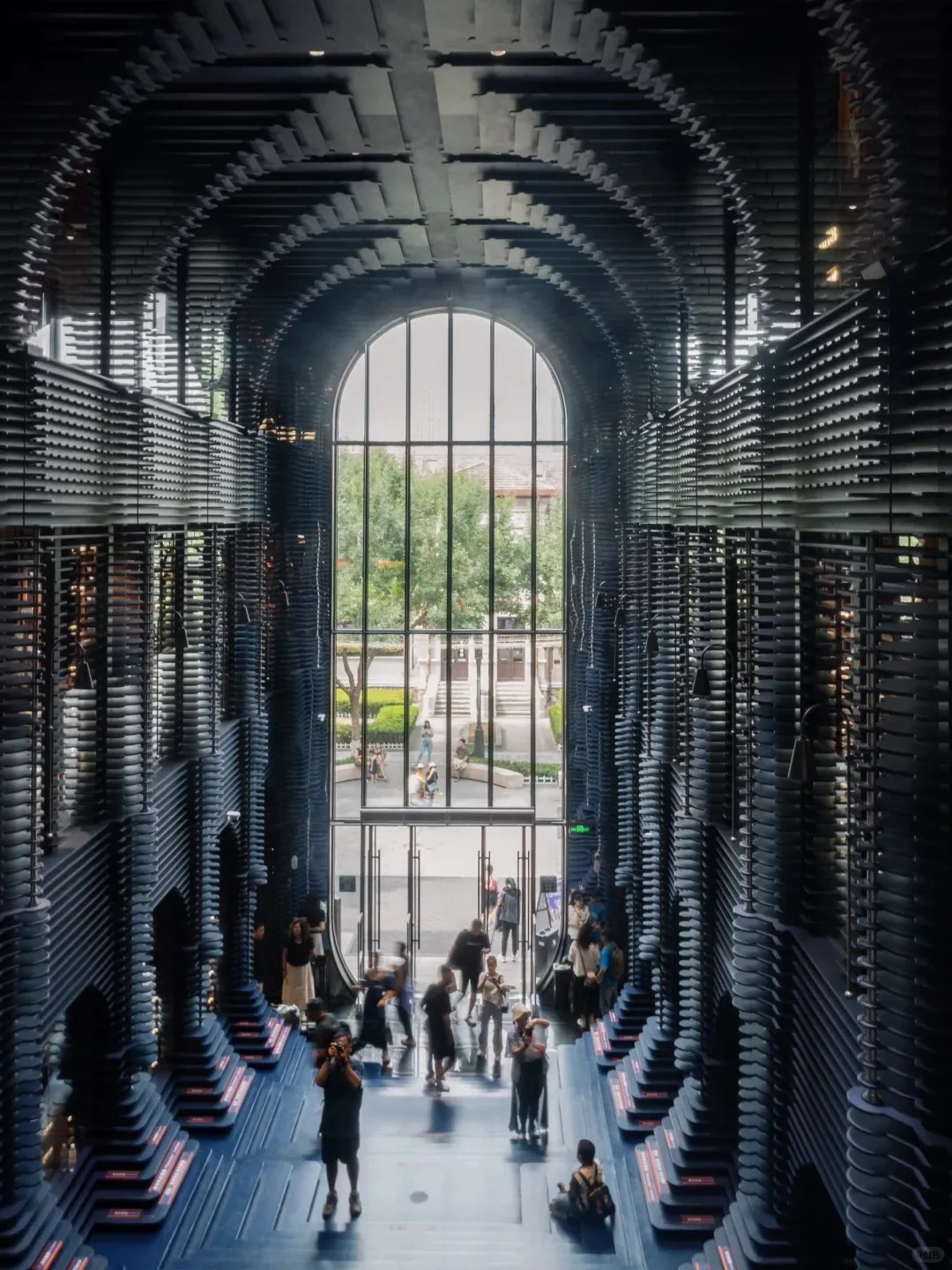
Tianjin: A Riverside City of Concessions and International Architecture
One of China's four municipalities, Tianjin sits where the Hai River meets the sea on the North China Plain. Its former foreign concessions left whole districts of international architecture; the villas of the Five Avenues, the Italian-style quarter, the Ancient Culture Street and the riverside Ferris wheel make a city that is both East and West, unhurried and lived-in.
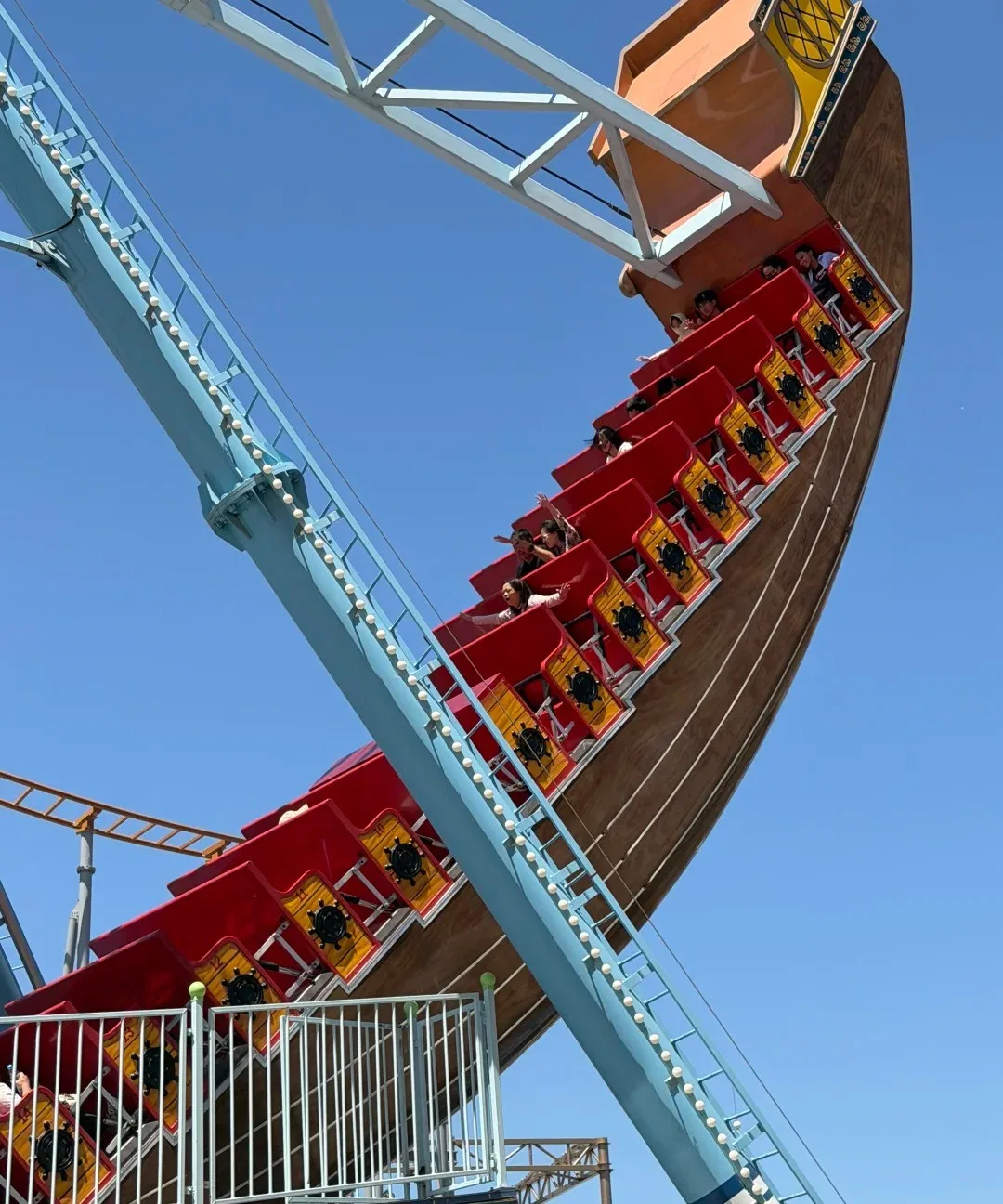
Tianjin Happy Valley: A Twin Park of Thrills by Dongli Lake
Tianjin Happy Valley sits in the Dongli Lake resort and is OCT's large North-China theme park, open since 2013. Six land zones plus a separate water park draw over three million visitors a year — good for families and young crowds alike.
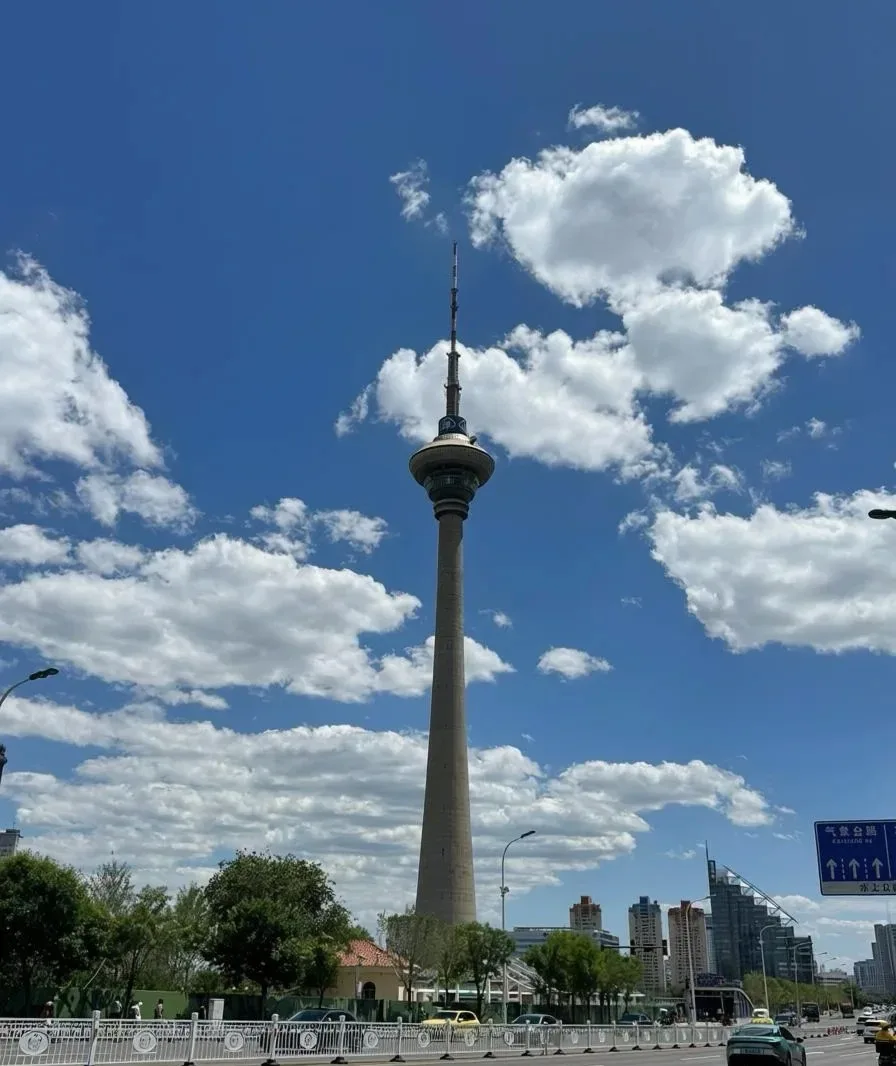
Tianjin TV Tower: The 415m Eye of the City above Tian Ta Lake
The Tianjin TV Tower (Tianjin Radio & TV Tower) stands 415.2 metres tall; when completed in 1991 it led Asia, and still ranks among the continent's tallest. Its pod at 248–278 m holds an observation hall, a revolving restaurant and an open deck, ringed by Tian Ta Lake — a fine perch over the city.
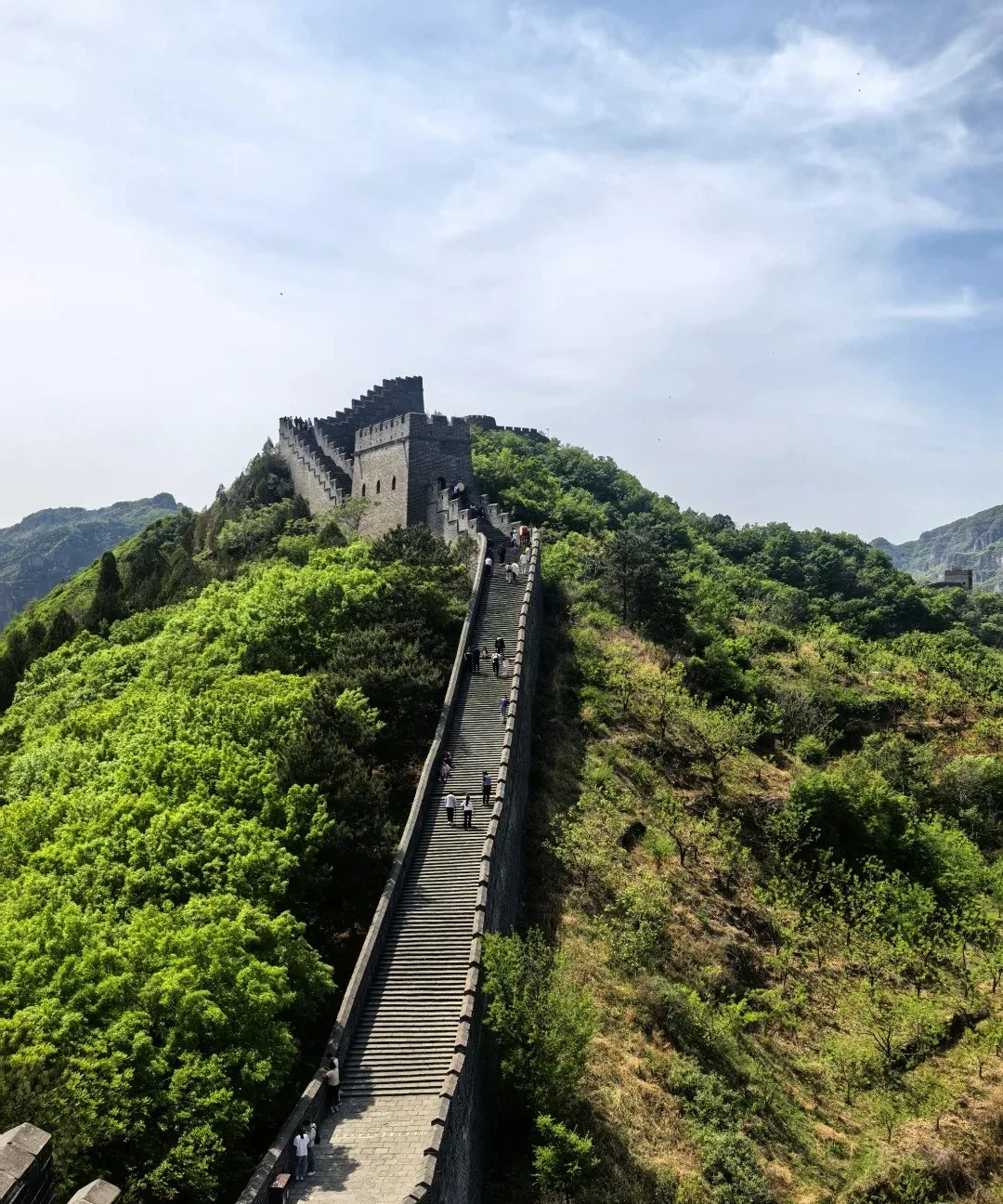
Huangyaguan Great Wall: The Bagua Fortress Rebuilt by Qi Jiguang
At the northern tip of Jizhou, Tianjin, Huangyaguan was first built in the Northern Qi and rebuilt by the Ming general Qi Jiguang. Its water gates, watchtowers and octagonal Bagua fortress make a complete defensive system; from the pass the hills roll like waves and the wall winds like a dragon.
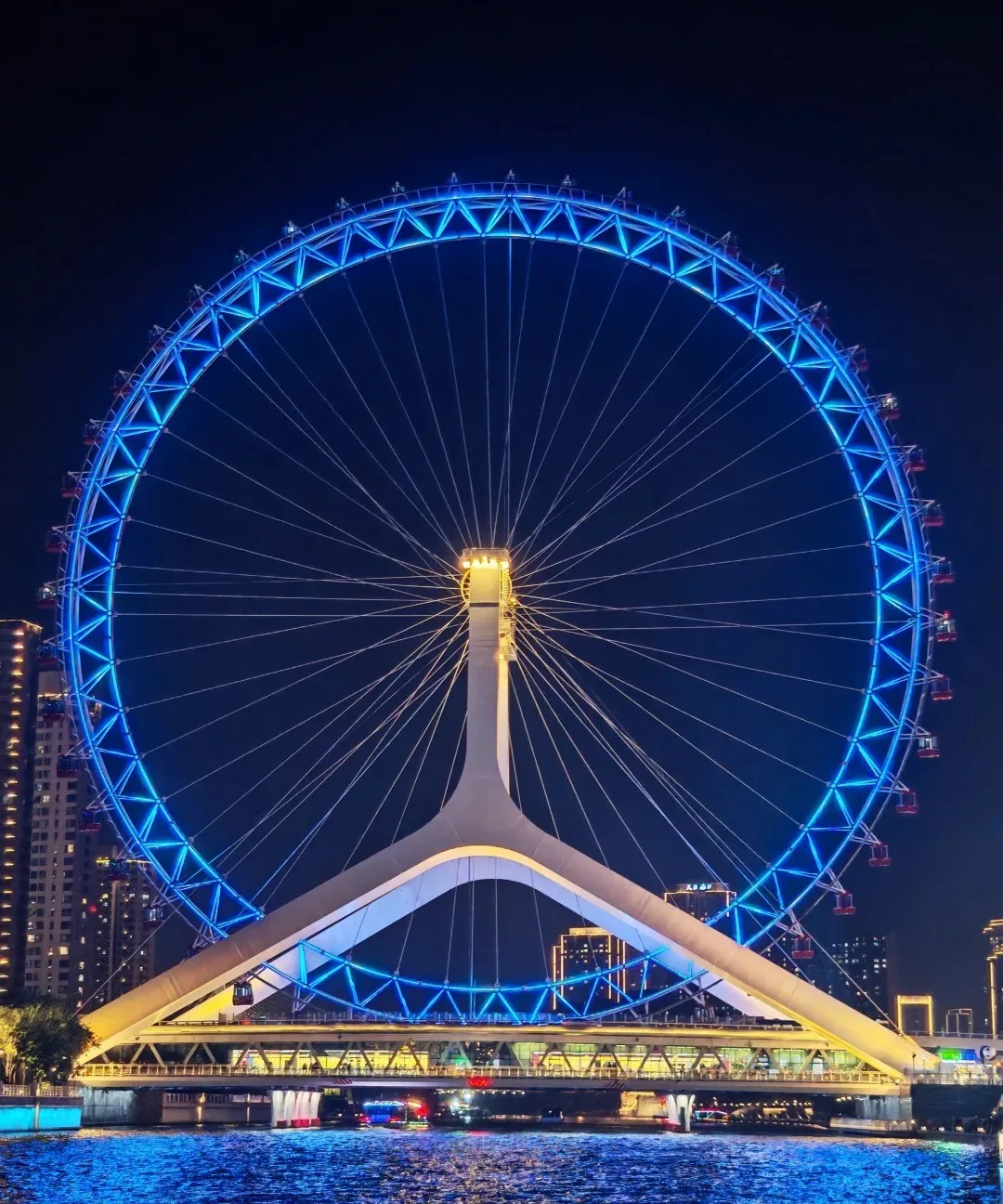
Tianjin Eye: The Ferris Wheel Built on a Bridge
The Tianjin Eye, formally the Yongle Bridge Ferris Wheel, stands at the Three Confluences of the Hai River and is the only ferris wheel in the world built on a bridge. Its 110-metre wheel carries 48 transparent cabins; one turn takes about 28 minutes and the top offers a 360-degree view of the city and river.