Yunnan in Rainy Season: Fewer Crowds, Better Value
Most people treat Yunnan’s rainy season as a compromise, as if only the postcard-blue version counts as the real province. After one actual trip, that idea often falls apart. The rainy season does not usually mean all-day downpours. It means a different rhythm: lower clouds, clearer mountain outlines, fewer tourists, and hotel prices that become more reasonable. Once you shift your expectation from permanent blue sky to weather that keeps moving, the route becomes easier rather than worse.
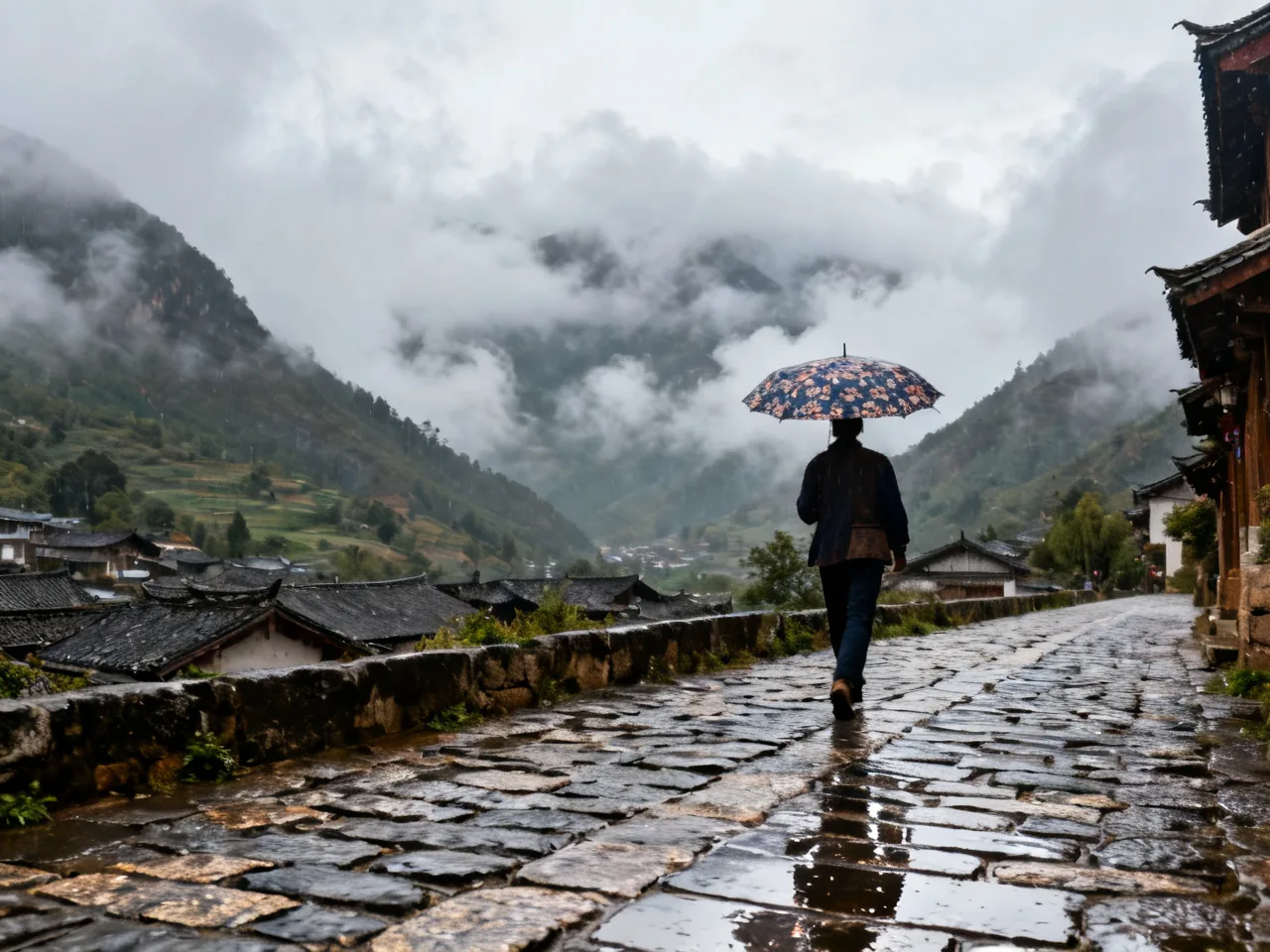
I strongly prefer using Kunming as an adjustment stop instead of forcing the most beautiful scenery into day one. Stay one night after landing, let your body settle, sort out luggage and transport rhythm, and move to Dali on the second day. Rainy-season travel is usually damaged less by rain than by travelers scheduling everything like a race.
Turn Weather Uncertainty Into a Route Advantage
In Dali, the best rainy-season advantage is the added atmosphere between Cangshan and Erhai. Not every hour is photogenic, but short moments of clearing light happen often. You do not need a flawless full day. What you need is room to walk slowly and stop when the weather suddenly gives you a window.
Lijiang works better when time is broken into smaller pieces. The old town, cafés, short walks, and evening light can all feel better in the rainy season because crowds no longer push your movement. What should be reduced are long-distance, energy-heavy, sun-dependent activities. Remove those from the core route and the trip becomes much more stable.

Your Wallet Benefits From This Timing
Another practical benefit is financial control. Hotel prices relax, last-minute booking pressure drops, and some transport or activity costs feel less tense. For first-time Yunnan travelers, this means money can go toward things that actually improve the trip: a better room view, smoother transfers, or one extra night instead of peak-season surcharges.
If you want more route reading on the site, continue with another southwest China slow-route article and a piece about off-season travel in China. The best part of rainy-season Yunnan is not defeating the weather. It is learning to let weather participate in the design of the route.