Arriving in Beijing at Dawn Taught Me Not to Overpack the First Day
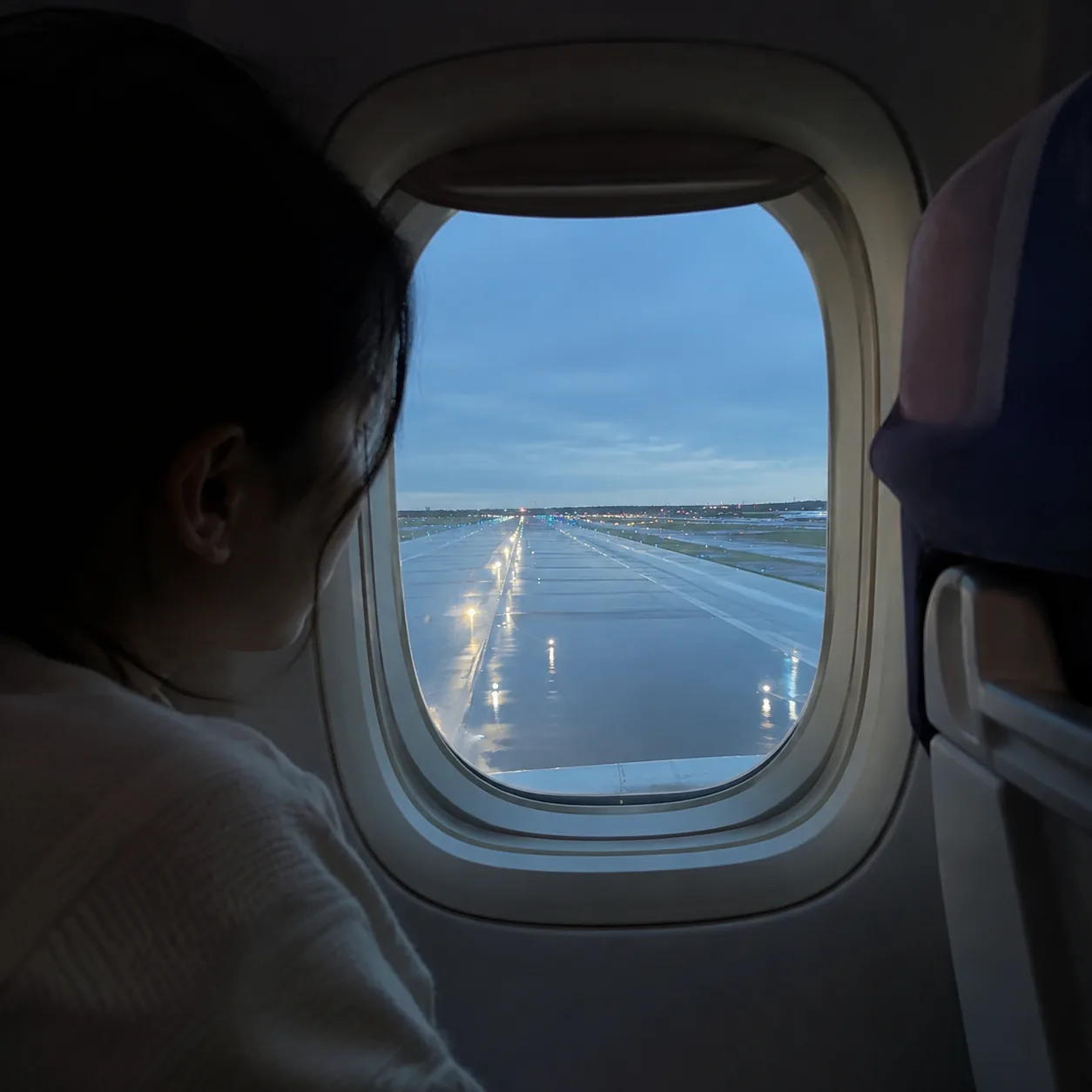
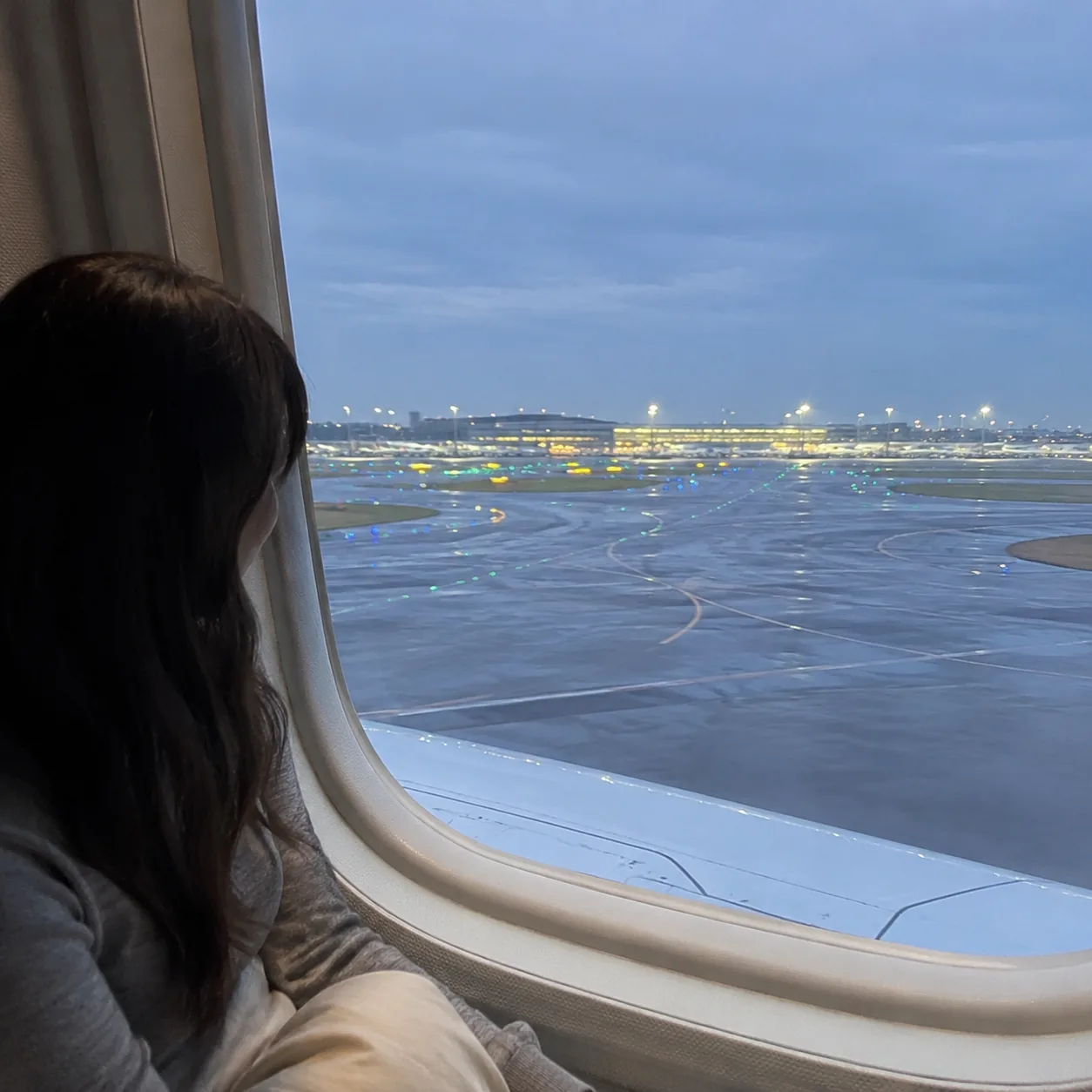
When the plane landed, Beijing had not fully woken up. Outside the window, the runway lights stretched like thin wet threads under a pale blue sky. I sat up slowly after a long flight, stiff-necked and dry-eyed, yet thrilled by the simple fact that I had arrived. On my phone, my first-day itinerary looked ambitious: Tiananmen, the Forbidden City, Jingshan Park, hutongs, roast duck, night views. I had arranged the day like an exam paper to be completed, as if missing one place would somehow waste the ticket that had brought me here.
In the arrival hall, footsteps echoed beneath a high ceiling. The signs were clear and the lines moved steadily, but my body was more honest than my itinerary. Each pause reminded me that the backpack on my shoulders felt heavier than it had at departure, that my stomach was empty, and that the hum of the airplane still lived in my ears. Around me, travelers sorted documents, families waved from behind barriers, and staff answered repeated questions in calm voices. My first impression of Beijing was not a grand gate or a postcard landmark, but a dawn-like sense of order: everyone was moving, yet no one seemed in a hurry to prove anything.
I had planned to drop my luggage at the hotel and go out immediately. I had even marked the shortest route on the map, as if I were a commander moving troops. But when I reached the Airport Express platform, I hesitated for the first time. The train had not arrived yet, and a wind came from the tunnel carrying the smell of metal and cleaning fluid. I leaned against a pillar and noticed that my shoelace had come undone. That tiny image was enough to remind me that I was not a fully charged camera. I was a person who had crossed time zones, slept badly, and still needed to learn the rhythm of the streets.
The carriage was not crowded. A few commuters looked quietly at their phones, an older man rested a cloth bag on his knees, and the morning outside shifted from gray to bright. I sat in a corner and tried not to fall asleep because I was afraid of missing my stop. At each station, the announcement came first, the screen changed, the doors opened and closed. I had imagined that the first day of a trip should be used to seize time. In that carriage, however, I began to feel that time was not escaping me. It was unfolding at Beijing’s own pace, and if I chased it too hard, I would lose myself before I found the city.
When I reached the hotel, check-in time had not yet arrived. The front desk stored my luggage and kindly pointed out nearby breakfast shops and convenience stores. I heard myself say “thank you” in slightly delayed Chinese, then added it in English, as if my waking brain needed a backup language. Outside the hotel, I did not open my list of sights. I walked toward steam. A small shop on the street was already lit, several people stood near bamboo baskets, and the window was fogged with warmth. I bought soy milk and two buns, sat by the window, and watched people ride bikes, park scooters, make calls, and glance up at the sky.
That breakfast had no drama, but it rescued my first day. The soy milk was hot, the bun skin was soft, and the filling carried a little pepper. I ate slowly, as if bringing myself down from the airplane and back to the ground. At the next table, young people discussed work. An auntie counted coins with care. The shop worker tipped fresh buns onto a tray with the ease of a movement repeated for years. I suddenly felt that travel does not always begin at a famous attraction. Sometimes it begins with something warm to eat, a sturdy chair, and a window that lets you watch a local morning.
After breakfast, I opened my itinerary again. The dense schedule embarrassed me a little, as if it had been written by another person with too much confidence. I deleted two afternoon stops and canceled the evening plan, leaving only one main goal: walk around the Tiananmen area and, if I felt steady enough, see the red walls outside the Forbidden City. I told myself that the day was not about collecting as many names as possible. It was about making a first contact with the city that I could actually sustain. The decision made me unexpectedly lighter, like removing an unnecessary heavy coat from my backpack.
On the way toward the center, I began to notice details I would once have treated as background. During subway transfers, the escalator had its own quiet agreement of movement. In station halls, people stopped to check routes, but first moved aside. At security checks, gestures were quick and calm. As a foreign visitor, I worried most about blocking others or missing a rule. Yet the more I watched, the more I understood that if I slowed down, observed first, and then acted, I could usually find my place. Beijing was not trying to test me. It was simply large, and a large city asks you to admit the limits of your stride.
By the time I reached the area near the square, the sun had risen, and the air held a clean coolness. My pace was much slower than planned, but my eyes felt clearer. The lines of the buildings in the distance were solemn, and the red and gold under the light did not look like mere colors from a photograph; they felt like the weight of time. Tourists lifted phones, children held their parents’ hands, and police and staff stood at their posts. I did not rush to take pictures. I stood where I would not block anyone and looked for a long while. In that moment, I understood that many places cannot be possessed simply by arriving. You need to give yourself some blank space so the impression can settle.
After noon, tiredness caught up with me all at once. It was not a romantic weariness, but something practical: sun on the back of my neck, straps pressing my collarbones, phone battery dropping, attention becoming dull. I had still wanted to detour toward Jingshan Park, but while waiting at a crossing, my body gave a clear refusal. I did not argue with it. Before traveling, I had thought canceling plans meant failure. Standing on a Beijing street, I realized that knowing when to cancel is also a skill. It is not surrender. It protects the second day, the third day, and the quality of the whole journey.
I returned to the area near the hotel, bought water and fruit, and waited in the lobby until check-in. When the room door closed, the city’s sound became a low background behind glass. I showered, hung up my clothes, messaged my family, drew the curtains, and slept for two hours. When I woke, the window held afternoon light and my mind felt clear again. I did not regret sleeping through part of the day. Instead, I felt that I had finally arrived in Beijing. The airplane had delivered me to the airport; rest delivered me into the trip.
In the evening, I did only one thing: I walked around the hotel neighborhood. There was no grand goal and no photograph I had to take. I passed a small park where older people swung their arms slowly, children chased a ball, and young adults shared a box of fruit on a bench. Someone opened a delivery package outside a convenience store, and nearby restaurants released the smell of scallion oil and hot soup. This version of Beijing had not appeared on my list, but it comforted a first-day traveler more than the list could. It told me that a city does not exist only at its landmarks. Daily life is also quietly lit, though the light is lower and can be seen only when a tired person becomes still.
When I think back to that dawn, what I appreciate most is not where I went, but the fact that I stopped pushing myself. Beijing’s first day did not teach me laziness; it taught me proportion. Save important places for clear eyes, complicated routes for legs with energy, and surprises for hours that have not been packed tight. A foreign visitor naturally wants to see more, learn more, and remember more. But perhaps the most important task on the first day is adaptation: to the air, directions, language, payment habits, transport rhythm, and also to the fact that in an unfamiliar city, you may move more slowly than you expected.
If someone asks me how to plan a dawn arrival in Beijing, I would not offer a perfect route. I would suggest making the day smaller: one reliable transport goal, one meal eaten while seated, one sight that can be ended early, and enough space to return to the hotel. Replace “must” with “if I have the energy,” and replace “as much as possible” with “what I can truly see.” This does not make the trip smaller. It makes it longer in the best sense, because you are no longer merely running through the city. You are beginning to let the city enter you.
On the second day, I did not wake especially early, but I felt well. I returned to places I had given up the day before, stood in lines, walked, listened, rested in shade, and found that everything went more smoothly than expected. Only then did I understand that leaving space on the first day was not a loss. It was preparation. It was like giving a page enough margin so the later words could breathe. Beijing is too large to require proof of devotion in one day. It is more like a thick book willing to be read slowly, as long as I do not exhaust myself on the first page.