Наличные или оплата телефоном? Обязательно прочитать перед поездкой в Китай
Three years ago, foreign visitors arriving with a stack of renminbi were common. Today, pull out cash at a Beijing convenience store and the cashier might pause — not because they won’t accept it, but because it’s genuinely rare.
Cash is legally required to be accepted, so it’s not “unusable” — just increasingly inconvenient. Markets, street food, rural temples, and street-hail taxis still work fine with cash. Subways, ride-hailing, delivery apps, and mall food courts are effectively cashless.
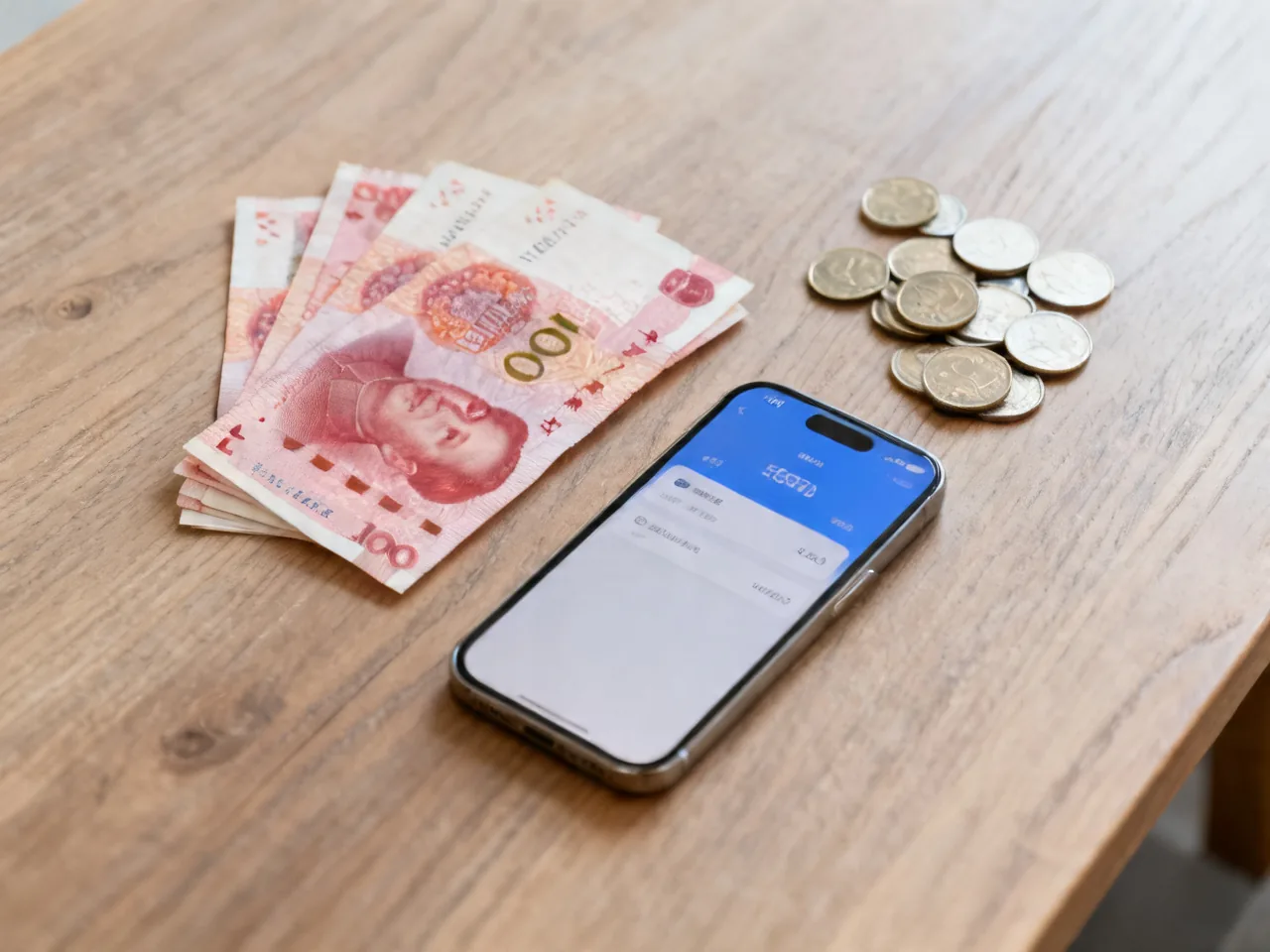
WeChat Pay and Alipay cover 95%+ of payment scenarios. For foreign visitors, Alipay has a better international experience — full English UI, more mature foreign card binding, and better overseas customer support. WeChat Pay is more natural for social payments. Recommendation: install both, use Alipay as primary.
Before you go: exchange a small amount of cash (¥500–1000) for emergencies, install and configure Alipay while still at home (higher success rate), and confirm your bank card has overseas online payments enabled — many banks disable this by default.
Mobile payments need internet. If your foreign SIM has poor signal in China, or you rely on spotty Wi-Fi, payment codes may fail to load. Both apps support offline payment codes — open the payment screen while connected, and it stays valid briefly without internet. Make it a habit before leaving your hotel.
Related Reads
- Alipay & WeChat Pay Guide for Foreign Visitors
- WeChat Pay Setup for Foreign Visitors
- Alipay Foreign Card Binding Walkthrough
- Daily Mobile Payment Tips in China
- 10-Day East China Five-City Loop