В Хайкоу за те несколько минут перед выходом погода, влажность и маршрут сначала втискиваются в телефон
When preparing to go out in Haikou, the phone is often picked up before the keys. It is not simply because people cannot leave the screen, but because the daily life of this seaside city has folded many details into a small piece of glass. Before leaving, one checks the weather to see whether sudden afternoon rain will arrive, looks at buses or ride-hailing routes to know whether the road from Haidian Island to Guomao is blocked, and reviews payment, maps, camera, and messages. Then a power bank is placed in the bag, like packing a spare oar for the day. Outside the window, coconut trees sway in the warm wind; the phone screen lights up, and the morning gains direction.
Haikou’s weather makes phone preparation especially necessary. The sky may be bright blue ten minutes earlier, and then clouds press in from the sea, bringing large urgent raindrops that strike the eaves of the old arcade streets like beans scattered into an iron pan. The little icon in the weather app is not always completely accurate, but it offers psychological readiness: whether to carry an umbrella, whether to wear shoes that can get wet, whether to change a planned walk into a bus ride. The forecast in the phone, together with the actual wind outside the window, forms the judgment people make before leaving. Preparation here is not a strict plan; it is a negotiation with the weather.
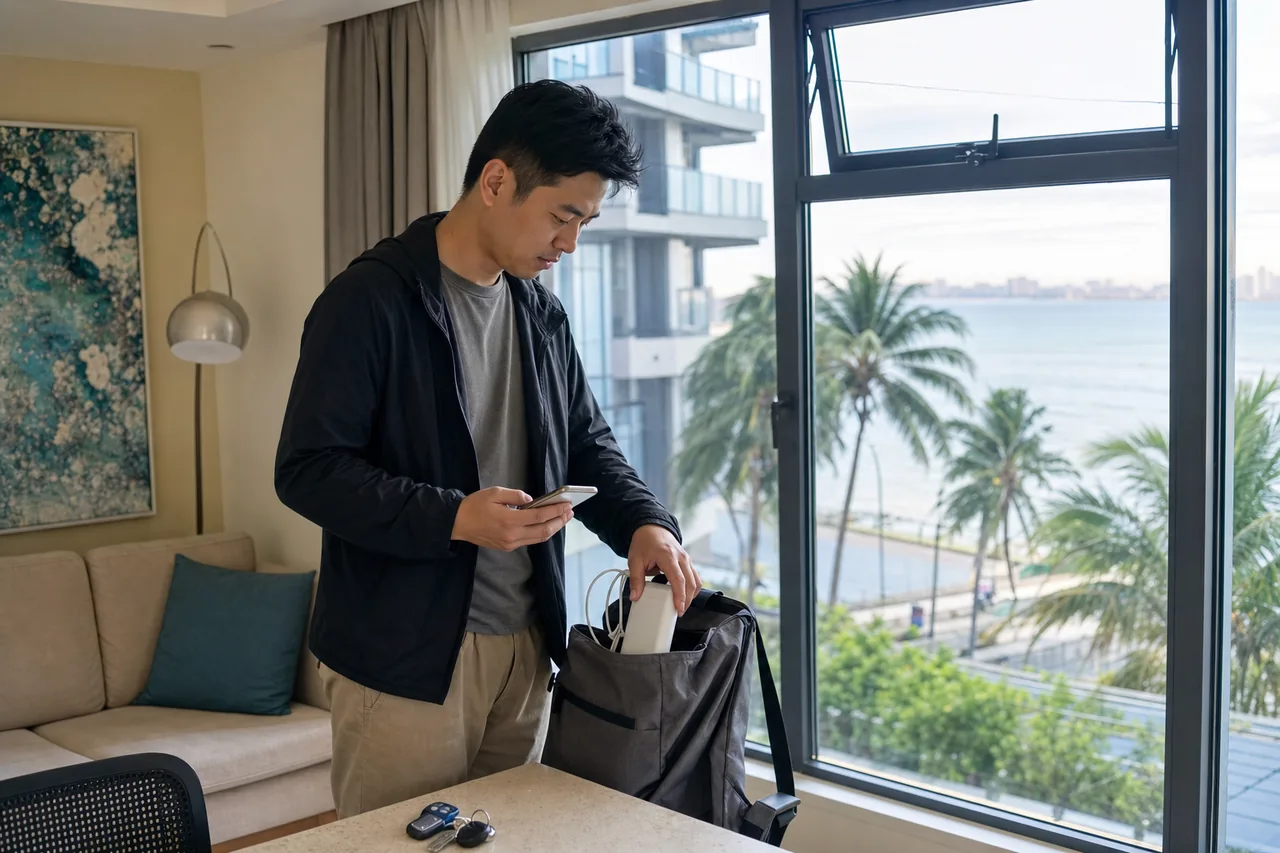
Preparing the phone also means preparing the day’s movement. Haikou’s roads are not always congested enough to irritate people, but they have their own rhythm. There are many electric scooters, much shade, and many bridges. Routes on a map may look simple, yet actually moving through them requires considering sun, rain, construction, and sea wind. Someone going to the market checks the payment balance first. Someone going to the airport confirms flight status. Someone walking by the sea looks at tides and sunset time. Someone handling errands saves an appointment code as a screenshot. The phone becomes a small pre-departure checklist, listing in advance the questions the city may ask so a person will not panic later.
I have seen friends in Haikou carefully clear their phone albums before going out. It is not to organize memories, but to make room for the photos that may arrive. Haikou makes people want to take pictures too easily: a sudden brightness on the sea, a coconut tree leaning at a street corner, an old bus passing beneath arcade buildings, red beans and coconut milk floating in a bowl of qingbuliang dessert, pink sunset reflected on the ground after rain. If the phone lacks storage, it feels as if the pocket is missing a cup that can catch light. So deleting repeated screenshots and clearing useless chat images also becomes part of preparing to leave.
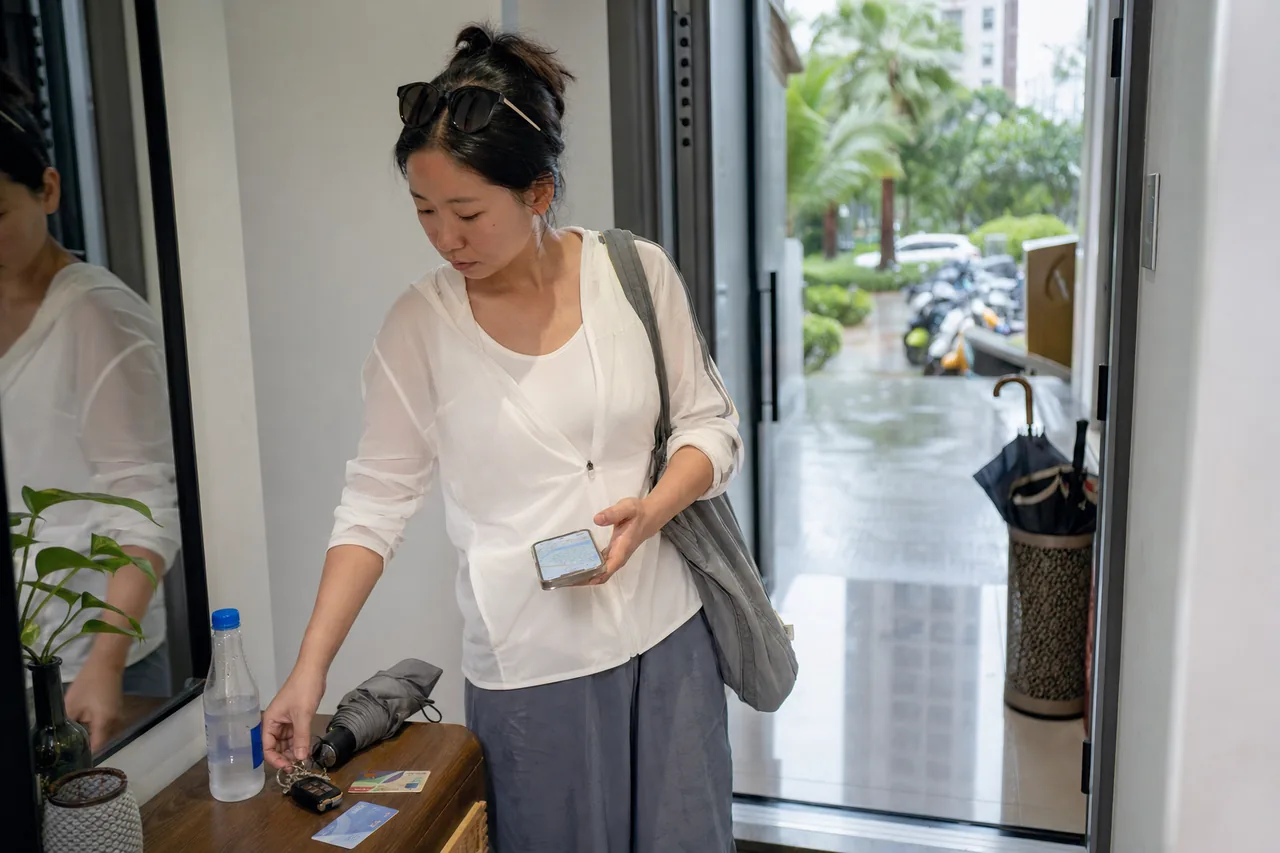
Phone battery has a special meaning in Haikou. Heat makes people rely more on navigation, ride-hailing, and communication, and it makes waiting feel longer. If the phone has only twenty percent remaining, the mood tightens unconsciously, as if even the sea breeze has become unreliable. Charging enough before leaving, bringing a cable and power bank, is a small act of responsibility toward oneself. It is not as formal as carrying an ID, but it matters just as much. Especially when returning from the seaside at night, with streetlights and car lights crossing beneath coconut shadows, the phone can still call a ride, light the road, and send a message of safety, like a small lamp held in the hand.
Phone preparation in Haikou also includes connection with people. Before leaving, one sends “I’m heading out” to family, replies “I’ve arrived” after reaching a place, shares a location when meeting friends, scans codes when buying things, reads group messages while waiting in line, and sends voice notes when changing a meeting point. Many relationships are no longer maintained by long letters, but they keep warmth through these brief confirmations. The phone makes a person reachable at any time, while also requiring one to learn how to keep a little quietness. While preparing the phone, some people turn off unnecessary notifications, lower the volume, and keep alerts only for important contacts. Only then can they enter the city without being pulled by every vibration.
If one is going to the seaside, phone preparation gains a little more anticipation. The camera lens must be cleaned, a waterproof pouch checked, earphones packed, and perhaps a playlist chosen in advance. Holiday Beach, Century Bridge, and the walking paths near the Wormhole Library are places where people are willing to move slowly. At such moments, the phone is both tool and witness. It records waves, smiling faces, a dog running on the sand, and short videos whose sound is scattered by strong wind. Yet however complete the preparation, once truly at the sea, a person will still put the phone down for several minutes and simply look. Those minutes remind us that even the best tool is only a doorway to experience.
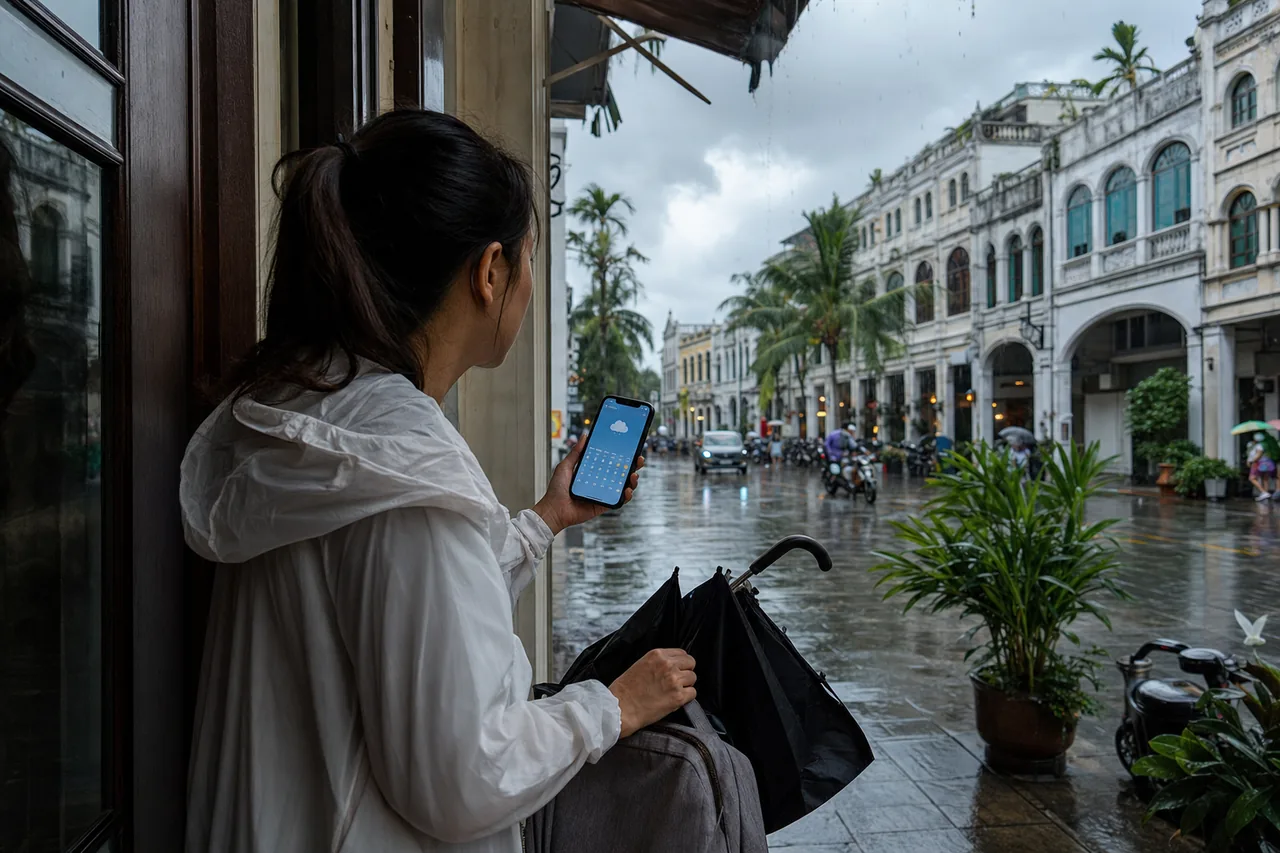
The payment function in the phone makes daily life in Haikou lighter. Buying a cup of salted lemon drink, one scans. Taking a bus, one scans. Buying grilled oysters at a night market, one scans. Charging an electric scooter, one scans. The weight of coins and bills has been absorbed by the phone, and many small transactions have become quick. But precisely because of this, checking network signal, balance, and backup payment before going out has become a new habit. In the past, people felt their pockets to confirm the wallet; now they light the screen to confirm signal. The city’s convenience has changed form, and preparation has changed form with it.
Sometimes phone preparation in Haikou also carries awareness of sun protection. Ultraviolet index, temperature, walking distance, and whether the destination has an indoor resting place—these seemingly trivial details influence whether a person wears a hat, carries water, or avoids noon. The phone makes such judgments concrete rather than purely intuitive. Especially for people newly arrived in Haikou, the numbers on the screen remind them that the gentleness of a seaside city does not mean the sunlight is not strong. Those who truly know the city prepare the body while preparing the phone: letting routes pass through shade, letting waiting happen where there is wind, and not being fooled by good weather into carelessness.
I like watching the final gesture people make with their phones before leaving. Some only confirm the time. Some check an address once more. Some raise the screen brightness, afraid they will not see clearly outdoors. Some put the phone into a bag and then take it out again to confirm a license plate number. The gesture is brief, yet it reveals the complexity of modern life: with one phone we carry a map, wallet, camera, calendar, contacts, document copies, tickets, and many unfinished conversations. Haikou sunlight falls on the screen, fingerprints and reflections overlapping, as if placing human plans and city weather together.
Of course, preparing the phone does not mean handing the entire day over to it. On the contrary, it allows a person to leave the screen with more ease. Once the route is checked, one can look up at bougainvillea along the street. Once a ride is called, one can listen to wind passing through coconut leaves. Once the position of rain clouds is known, one can decide more calmly whether to keep walking. Good preparation does not create dependence; it reduces panic. When the phone grows quiet in the pocket, attention can return to Haikou: to arcade shadows, sea salt in the air, ice sounds in small shops, and clouds that suddenly turn golden at dusk.
At the end of the day, the phone brings Haikou back into the room. The album has gained several sea photos, one dinner photo, and a short clip of rain outside a car window. Payment records hold traces of qingbuliang, buses, and fruit. Step counts show that the day involved more walking than expected. A chat window contains a friend’s message: “Let’s meet again next time.” The phone is plugged in, the screen goes dark, and outside the window there are still warm wind and insect sounds. Before going out tomorrow, people will probably repeat the same preparation: checking battery, checking weather, checking routes, and checking whether they are ready to enter this humid, bright city with the taste of the sea once more.
Thus, phone preparation in Haikou may seem like a trivial matter of modern life, but it is actually a way of getting along with the city. It acknowledges that weather changes, traffic changes, plans change, and people need connection, records, payment, and a sense of safety. Yet what it ultimately serves is a real departure: walking from the room to the street, from the screen into the wind, from the forecast into actual sunlight and rain. Once the phone is ready, the person becomes a little steadier. The door opens, Haikou’s warm air rushes forward, coconut shadows sway, and the city unfolds beyond the palm.