8-дневный зимний тур по трём провинциям Северо-Восточного Китая
At minus thirty on Harbin’s streets, your breath turns to white fog instantly, frost crystals form on your eyelashes — a winter southerners can never imagine.
Why This Route
Northeast China’s winter is an extreme experience: ice sculptures, rime frost, snow villages, hot springs, winter fishing, and Korean ethnic cuisine. The Harbin–Snow Town–Changbai Mountain–Yanji route strings together the northeast winter’s greatest hits. Eight days is enough for depth.
Day-by-Day Itinerary
Days 1–2: Harbin
Harbin is China’s most Russian-flavored city. Day 1: Central Street — one of Asia’s longest pedestrian streets, paved with cobblestones, lined with Russian, Baroque, and Byzantine architecture. Buy a Madier popsicle (¥5) — eating ice cream outdoors at -20°C is a Harbin ritual. Then Saint Sophia Cathedral (exterior free) — Byzantine onion-dome, Harbin’s icon.
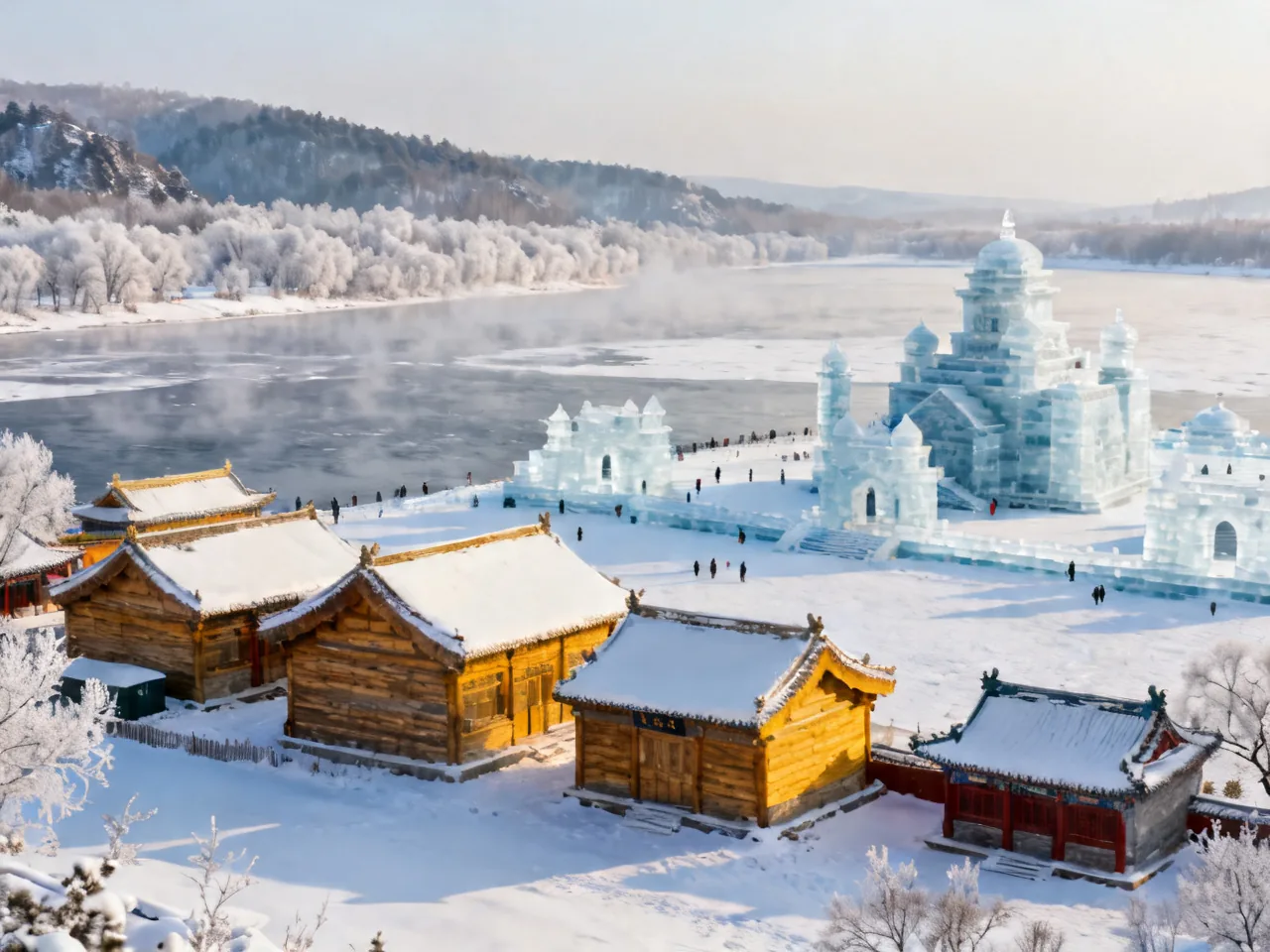
Day 2: full day at Ice and Snow World (ticket ~¥300, open late December–late February) — a massive ice sculpture city built from Songhua River ice blocks, dazzlingly colorful when lit at night. Ice slides, ice mazes, ice bars. The world’s largest ice and snow theme park, period. Daytime visits work, but the nighttime lighting is the soul.
Days 3–4: China Snow Town
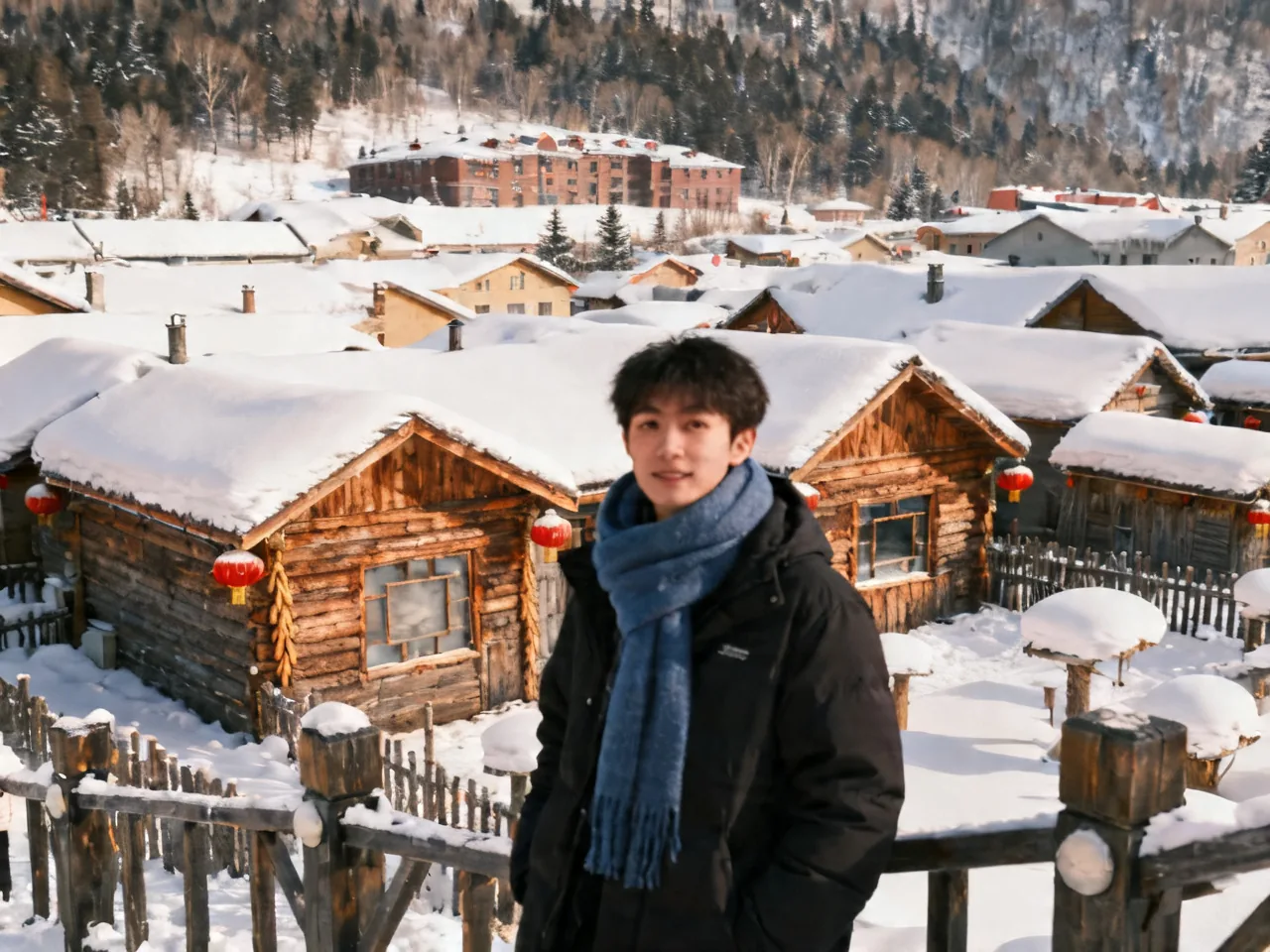
Charter car or shared ride from Harbin to Snow Town (~5–6 hours). Snow Town (Shuangfeng Forest Farm) has some of China’s heaviest snowfall — snow depth reaches 2 meters. Snow piles on rooftops like mushrooms, red lanterns hang beneath snow mushroom caps — the night scene is utterly dreamlike.
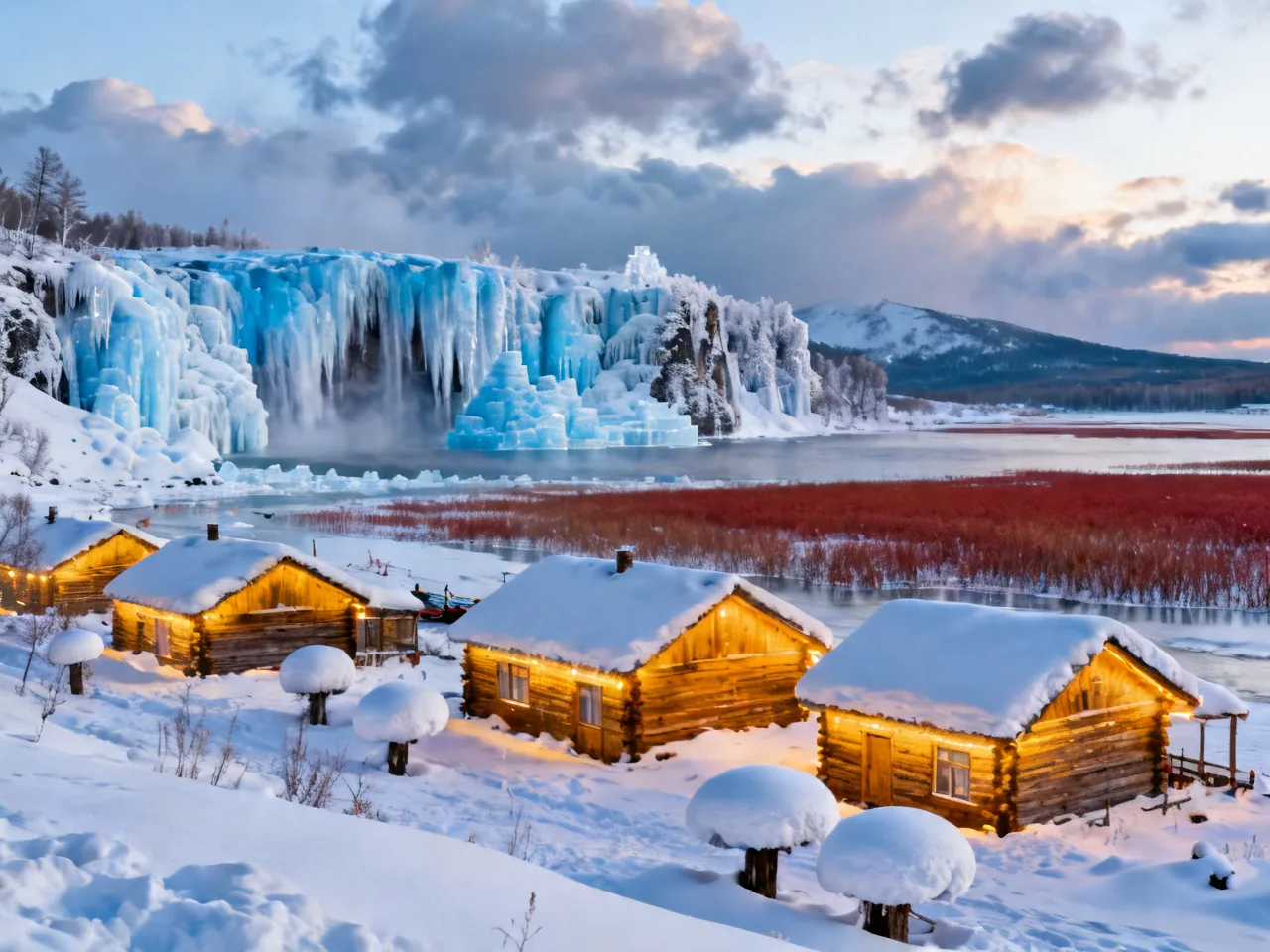
Day 4 morning: Yangcao Mountain sunrise — depart at 4 AM, hike 1 hour through snow to the summit. At sunrise the entire snowfield turns pink, rime frost coats every branch. Worth the early wake-up. Afternoon: snowmobile (¥150), horse-drawn sled (¥100).
Days 5–6: Changbai Mountain
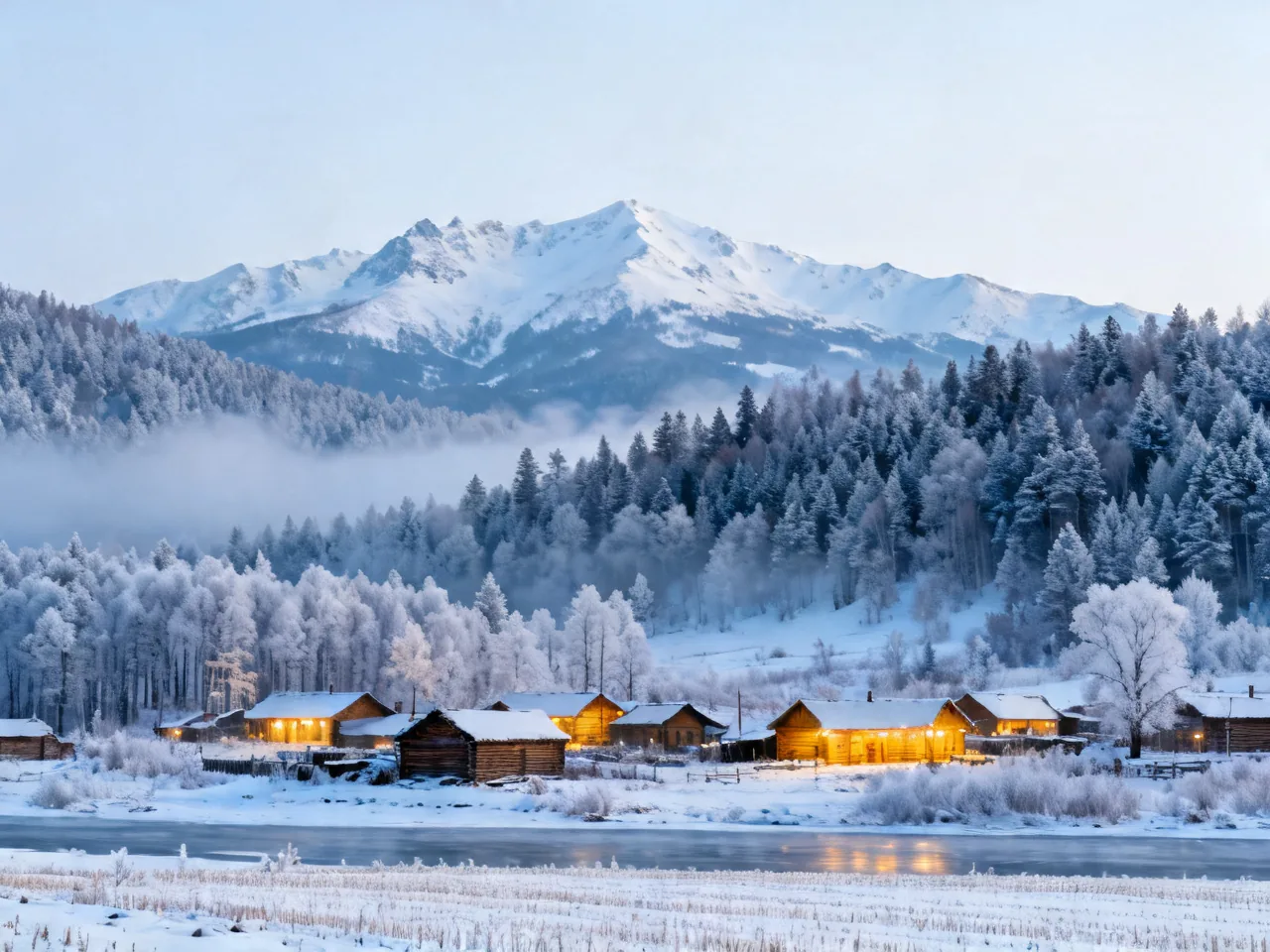
Snow Town to Changbai Mountain (~6–7 hours by road). Changbai Mountain’s Heavenly Lake is China’s deepest crater lake at 2,189m elevation, completely frozen in winter, surrounded by snow-covered volcanic cones. Whether you see the lake depends on weather — winter visibility odds are ~30%. Seeing it means you’re lucky.
Day 6: Changbai Mountain hot springs — soaking in steaming outdoor hot springs at -20°C, hair freezing while body stays warm. This contrast experience is unique to Changbai in winter. Hot spring-boiled eggs (¥10 each) are a must-try.
Days 7–8: Yanji
Changbai Mountain to Yanji (~4 hours). Yanji is the capital of Yanbian Korean Autonomous Prefecture — street signs are bilingual Chinese-Korean, feeling like you’ve left China. This is the headquarters of Chinese-Korean cuisine: cold noodles (eaten iced in summer, also in winter), stone pot bibimbap, kimchi stir-fried pork belly, blood sausage, rice cakes.
p>
Day 8 morning: Chinese Korean Folk Park in Yanji (free) for traditional Korean ethnic culture and architecture. Then Yanji West Market — a local produce market with all kinds of Korean ethnic ingredients and snacks. Afternoon: depart.
Practical Notes
Best season: Mid-December to mid-February. Harbin Ice and Snow World usually opens late December. Snow Town peaks in January.
Cold gear: This is not a joke — at -20 to -30°C you need: down jacket, thermal underwear, windproof pants, snow boots, hat, scarf, gloves, hand warmers. Phones die fast in extreme cold — keep them against your body or wrapped in hand warmers.
Budget: ~¥5,000–8,000 per person for 8 days (excluding intercity transport). Snow Town accommodation is pricey (peak season ¥500–1,000/night); elsewhere ¥200–400/night.
Bottom Line
Northeast China’s winter isn’t something to endure — it’s something to play in. As long as you dress for it.
Related Reads
- 10-Day East China Five-City Loop
- Lijiang Old Town: Naxi Culture & Snow Mountain Views
- Zhangjiajie Glass Bridge & Tianmen Mountain Guide
- Guilin Li River Scenic Tour Complete Guide
- Spring Bloom Map: China’s Most Beautiful Flower Fields