Восемь великих кухонь Китая: полный обзор
Before coming to China, many travelers memorize a list: Shandong, Sichuan, Cantonese, Jiangsu, Zhejiang, Fujian, Hunan, Anhui. Eight cuisines. Neat and tidy.
Then they arrive, and nothing quite matches the list.
The “Eight Cuisines” framework was formalized by the Chinese Culinary Association in the 1980s as a way to systematically categorize Chinese food. It has historical grounding and regional logic — but at its core, it’s an administrative classification, not a dining guide.
It’s like using “East China Literature” to recommend a novel. The label “Jiangsu cuisine” is too broad — it covers the delicate refinement of Huaiyang cooking, the sweet softness of Suzhou dishes, and the hearty flavors of Nanjing, all under one umbrella.
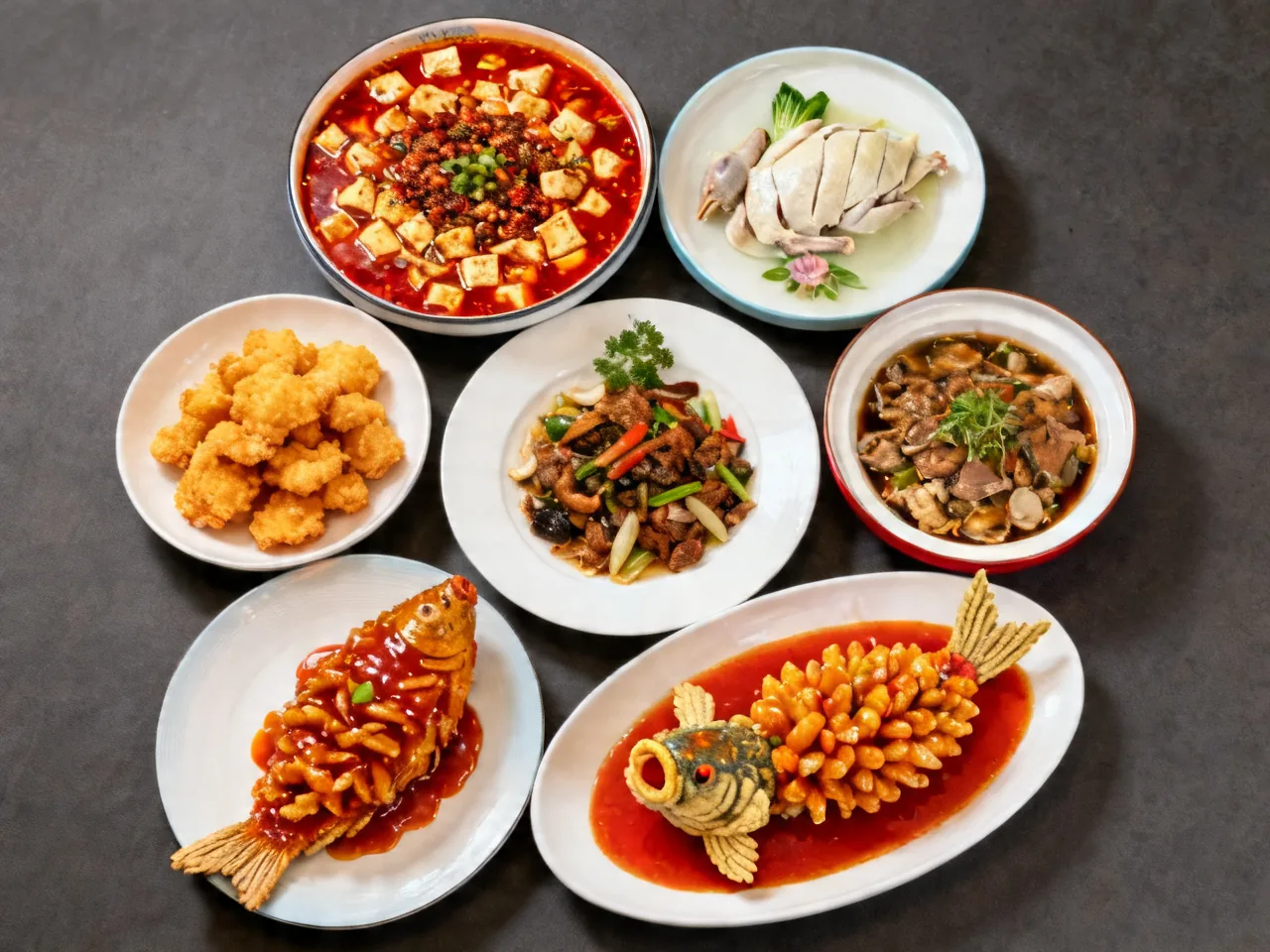
Instead of memorizing eight categories, try thinking along two axes:
Axis 1: Spicy or not
China’s spice belt runs roughly from Sichuan and Chongqing in the southwest, east through Hunan, Hubei, and Jiangxi. Outside this belt, chili is a seasoning — not the main event.
Axis 2: Sweet vs. savory
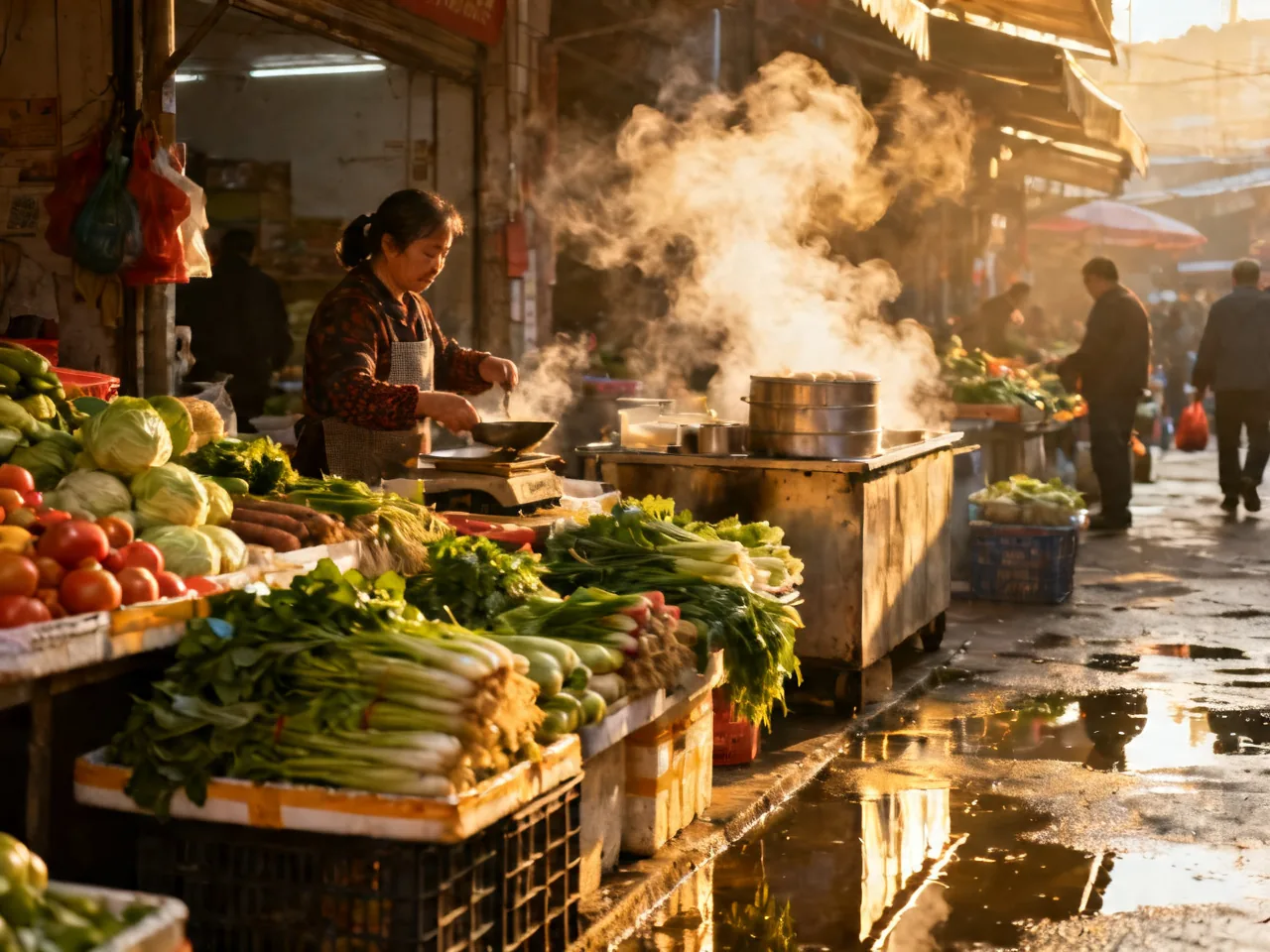
Roughly divided by the Yangtze River: Jiangnan (Suzhou, Shanghai, Hangzhou) leans sweet; northern China (Shandong, Northeast) leans salty and savory; Guangdong favors light and clean flavors; the Northwest goes for salty and aromatic.
Now for the flip side — the framework does capture some genuinely distinct culinary identities worth knowing:
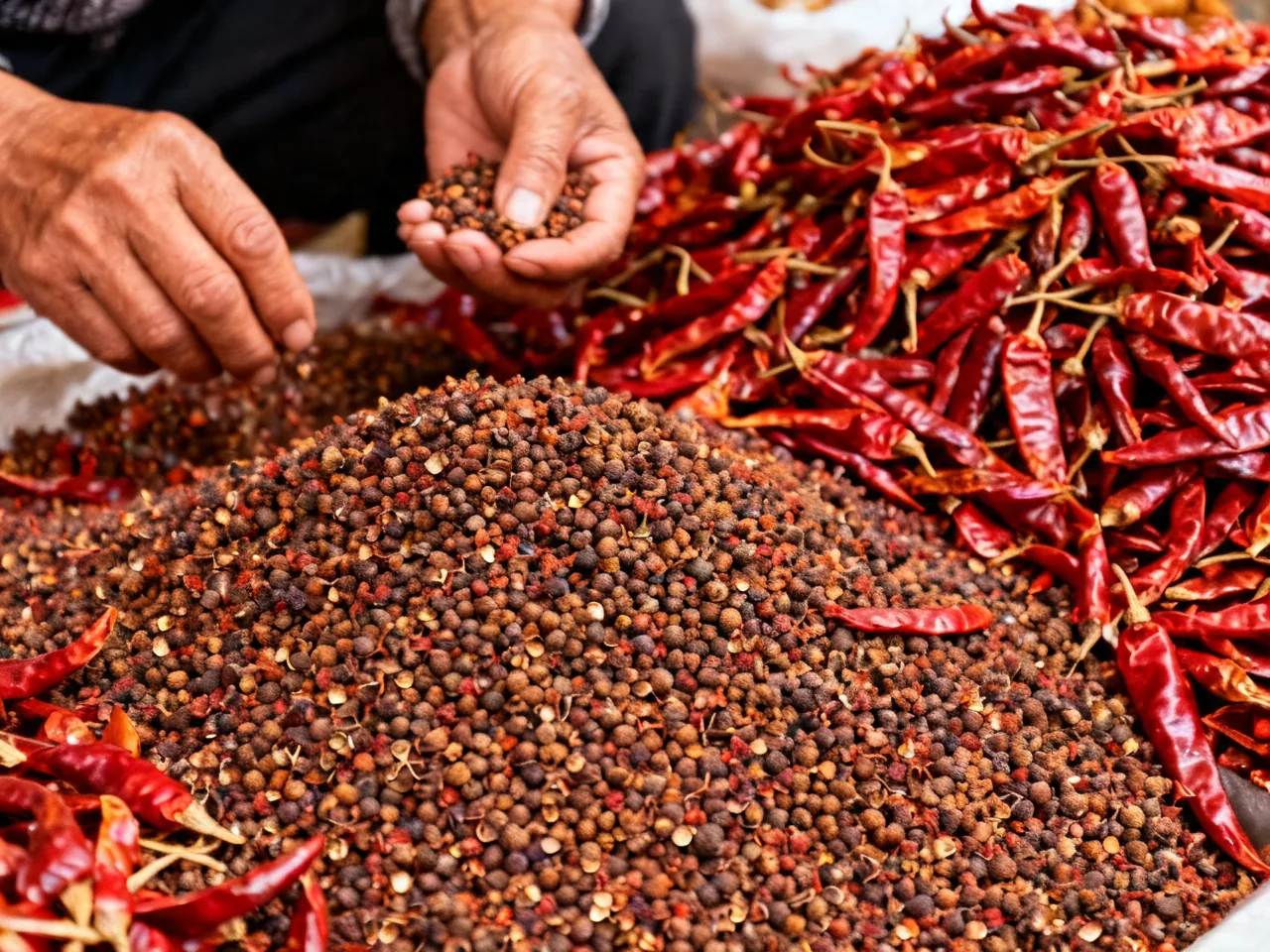
Sichuan — Not just spicy, but the simultaneous presence of numbing (麻), spicy (辣), fresh (鲜), and aromatic (香). In a bowl of water-boiled fish, the chili is the surface; the Sichuan peppercorn is the soul.
Cantonese — The cuisine most obsessed with natural flavor. Steamed fish, blanched shrimp — the seasoning exists to highlight the ingredient, not hide it.
Huaiyang (the heart of Jiangsu cuisine) — Knife work as art. Wensi tofu: a single block of tofu cut into hundreds of hair-thin strands, dropped into broth without falling apart. Not a trick — a form of respect for the ingredient.
Hunan — A more direct heat than Sichuan. No numbing, just pure spice, layered with the smokiness of cured pork. A different kind of depth.
If you’re traveling in China, here’s a more practical approach than ordering by cuisine category:
- Ask locals “what’s this place known for?” — not “what cuisine is this?” Every city has its signature dishes, and they rarely map neatly onto the eight-cuisine framework.
- Look at who’s eating there. A place full of locals is usually more trustworthy than a restaurant advertising “authentic [X] cuisine” in a tourist area.
- Breakfast is the most honest meal. The morning food stalls in any Chinese city will tell you more about what people actually eat than any taxonomy ever could.
The eight-cuisine framework isn’t wrong — it’s just incomplete. Don’t let it limit what you’re willing to try.
Related Reads
- Spellbound at First Bite: A Stranger’s Descent into Chengdu’s Heat
- Street Steam: The Real Pulse of Chinese Cities
- The Peppercorn Dossier: Sichuan’s Flavor Map Through a Botanist’s Eyes
- More Than a Dish: Peking Duck as Beijing’s Letter to the World
- 10-Day East China Five-City Loop