Эстетика китайских садов: от сучжоуского сада Чжочжэнъюань до пекинского Ихэюаня
Chinese Garden Aesthetics: From Humble Administrator’s to Summer Palace
Chinese gardens are “three-dimensional landscape paintings” — every step frames a composition, every window becomes a picture frame.
Southern Private Gardens
Suzhou’s Humble Administrator’s Garden — China’s largest private garden (about 5 hectares), first built in Ming Dynasty. Water-centered with pavilions arranged along ponds. The highlight is “Distant Fragrance Hall” — sit inside watching a pond full of lotus to understand what “distant fragrance” means.
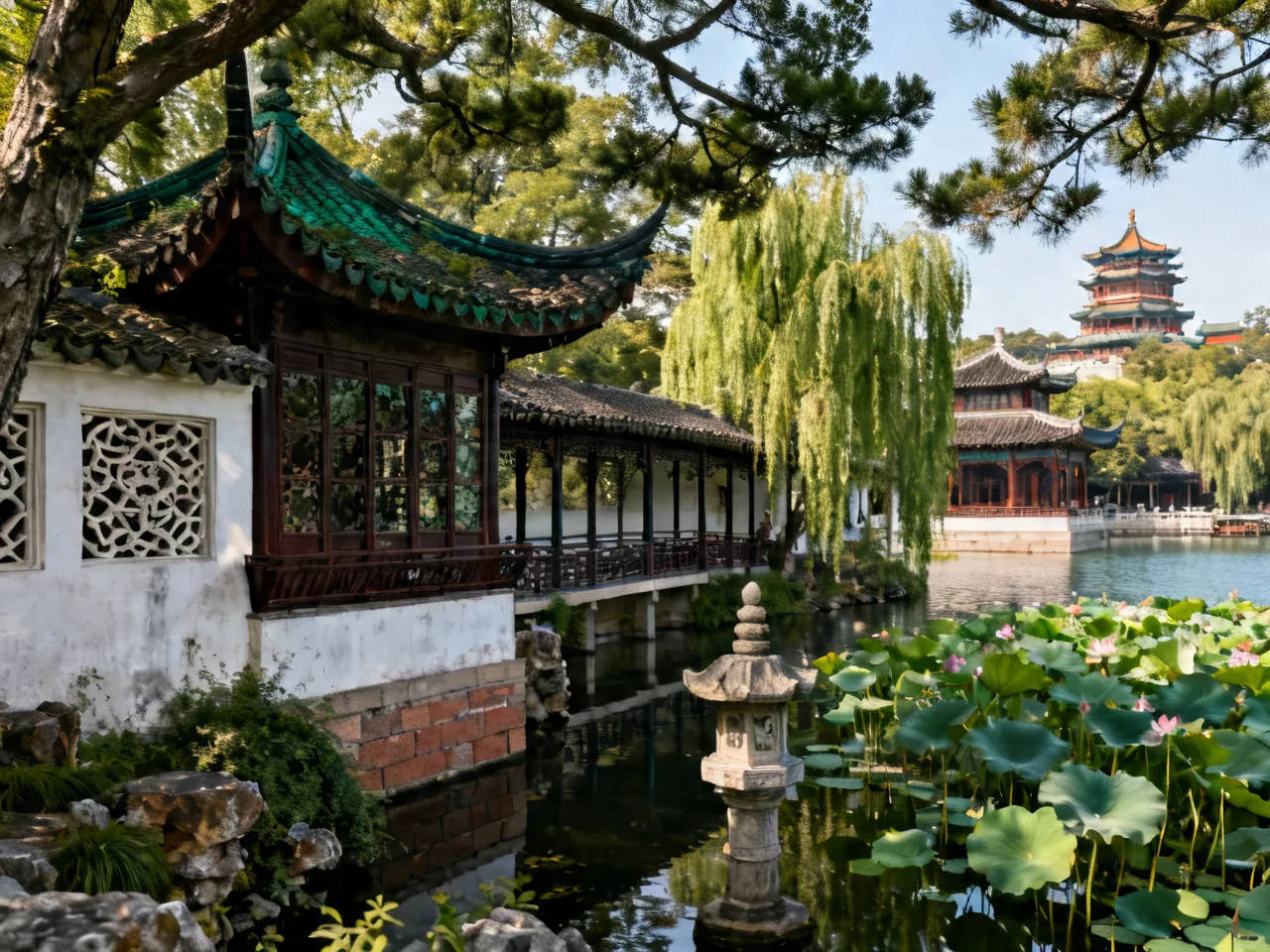
Suzhou’s Lingering Garden — famous for its rockeries. Guanyun Peak is the finest Taihu rock — 6.5m tall, displaying all four prized qualities: thin, perforated, transparent, and textured. The corridor design is masterful — scenery constantly shifts as you walk.
Northern Imperial Gardens
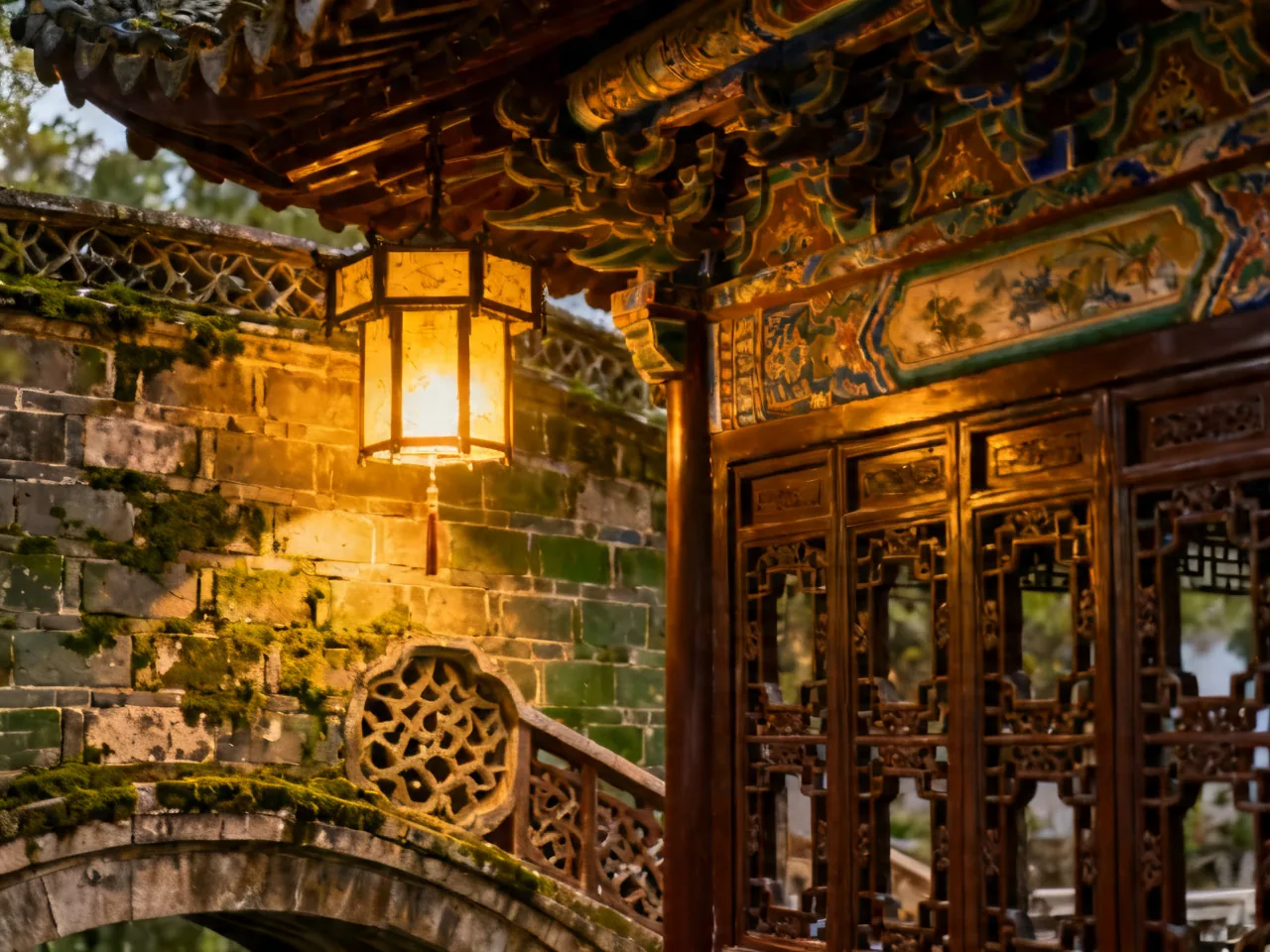
Summer Palace — built by Emperor Qianlong for his mother, covering about 290 hectares. Kunming Lake occupies three-quarters of the area; the Tower of Buddhist Incense on Longevity Hill is the visual centerpiece. The Long Corridor (728m) is the world’s longest painted gallery with over 14,000 paintings.
p>
Chengde Mountain Resort — Qing Dynasty imperial summer retreat and China’s largest surviving imperial garden. Blends southern waterscapes, Mongolian grassland, and Tibetan temples — a “miniature China.”
Four Elements of Garden Design
- Mountains (rockeries, rare stones) — Taihu rocks and yellow stones are the most common materials.
- Water (ponds, streams) — “No garden without water”; reflections of buildings on water create the most beautiful scenes.
- Architecture (pavilions, terraces, towers, galleries, corridors) — each form has specific function and aesthetic meaning.
- Plants (“Four Gentlemen” — plum, orchid, bamboo, chrysanthemum) — not just greenery but cultural symbols.
Tips: Visit Suzhou gardens on rainy days — gardens in misty rain are at their most beautiful. Fewer visitors, soft light, and reflection-filled stone paths.
Related Reads
- Spring Bloom Map: China’s Most Beautiful Flower Fields
- Summer Escapes: Plateaus & Islands
- Huangshan Sea of Clouds & Welcome Pine: Beautiful in All Seasons
- Best Autumn Foliage Spots in China
- 10-Day East China Five-City Loop