В Харбине при минус двадцати с лишним первым испытанием стало не мужество, а заряд телефона
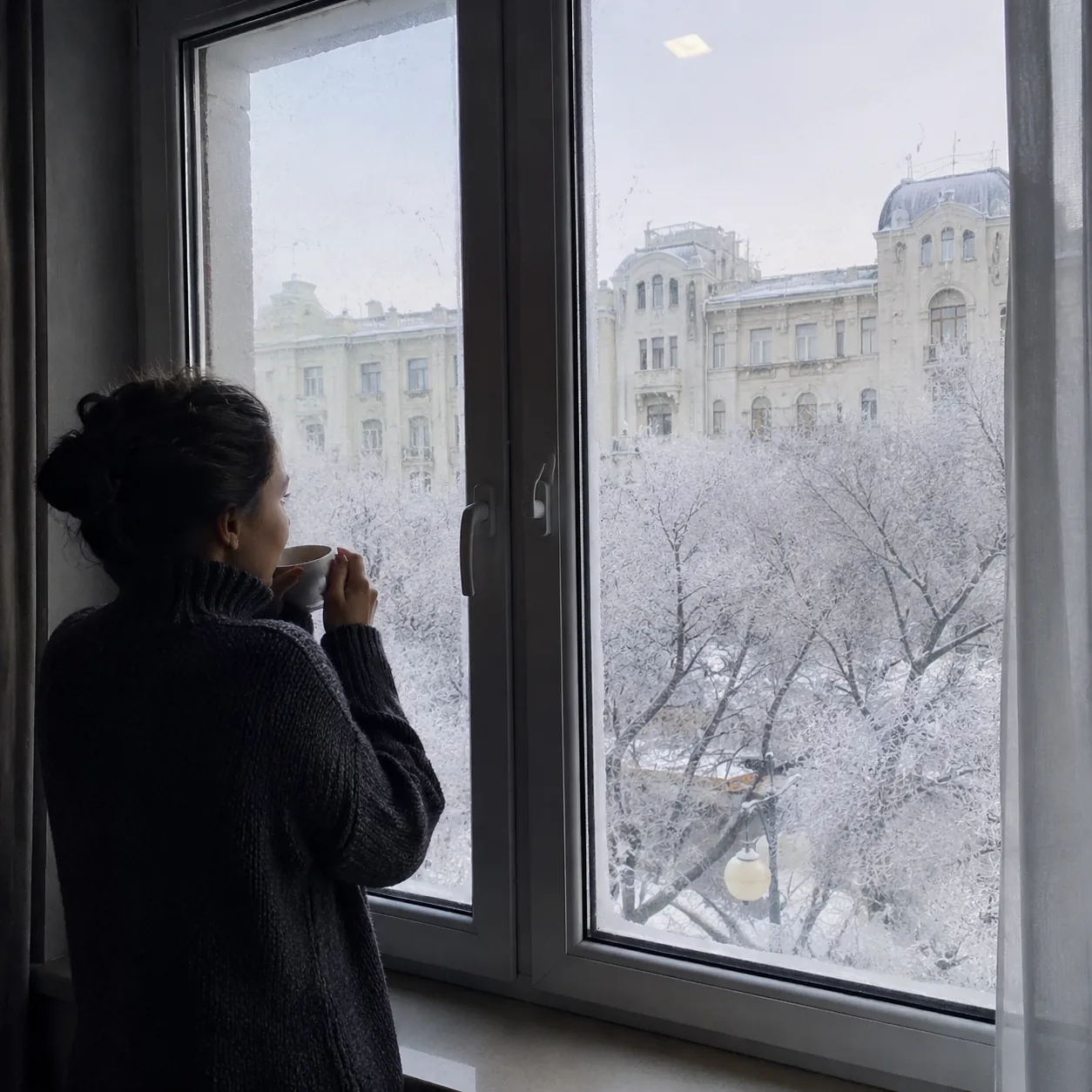
At 8:16 in the morning on January 9, 2024, I stood in my hotel room near Harbin’s Central Street. A thin layer of frost covered the window, and the branches outside looked as if they had been redrawn with white powder. The weather app on my phone showed minus twenty-three degrees Celsius, and the apparent temperature was even lower. I had come from Italy, and it was my first trip in a real northeastern Chinese winter. When I arrived the previous night, I had been busy being excited: looking at snow, European-style buildings, and a street-corner stall selling candied hawthorn. Only when my phone suddenly dropped from thirty percent to eight percent on the road did I realize that the cold here was not decoration in a photograph, but a force that directly joined the itinerary. Before going out the next day, I did not first choose a scarf color or decide which café to photograph. Instead, I sat on the edge of the bed and checked my phone, power bank, maps, ride-hailing apps, and backup routes one by one. The first lesson Harbin’s winter taught me was practical: if the phone falls outside, a person’s confidence loses power with it.
First I charged my phone to one hundred percent, then connected the power bank to confirm it was full too. On previous trips, I often felt that seventy percent was enough; after all, cities had sockets everywhere, cafés, and malls. But Harbin in winter was different. Low temperatures made the battery shrink as if startled, the screen became sluggish, and fingers inside thick gloves could hardly tap buttons accurately. The previous night, near the Flood Control Monument, I had wanted to check the route back to the hotel. My phone still had more than twenty percent left, but the screen suddenly dimmed and showed low-power mode. I put it into my pocket to warm it for a few minutes before it lit up again. That brief feeling of losing direction was more stressful than the cold itself. So that morning, I wound the charging cable neatly and placed the power bank in an inner pocket close to my body, not in the outer pocket of my backpack. I even put a short cable separately in my coat pocket, ensuring I could connect it quickly by the roadside without digging through my bag in the wind.
Next I opened the map and saved the places I wanted to visit that day in advance: Saint Sophia Cathedral, Central Street, the Songhua River side, the entrance to Harbin Ice and Snow World, my hotel, and two malls that could serve as warming stops. I did not look only at the straight-line distance between attractions; I carefully checked walking routes, metro entrances, bus stops, underground passages, and bridge locations. Harbin’s winter changes the meaning of “near.” Eight hundred meters on a map looks easy, but if those eight hundred meters face the river wind and the road surface has packed snow and ice, the body quickly tells you: this is not ordinary distance. I also copied the hotel address into my notes app, writing it in both Chinese and English, and took several offline screenshots. The network usually worked, but I did not want to hand all my security to real-time loading. Preparing maps before going out was not because I was afraid of getting lost, but because getting lost in winter consumes heat, battery, and judgment.
Ride-hailing apps also needed to be prepared in advance. I set the hotel as a frequent address and tried entering several scenic spots to make sure I would not choose the wrong names. Only the previous night had I learned that for some places in Harbin, the entrance is not the same as the center point shown on the map, especially around large scenic areas and riverside zones. Cars cannot always stop at the door you imagine, and drivers may ask you to go to a certain intersection, parking lot, or temporary pickup point. In winter, the difference between waiting outside for three minutes and ten minutes is enormous. Taking off gloves to enter an address, feeling the wind hurt your ears, and watching the driver’s location move slowly on the screen can make you regret not preparing earlier. I also checked my payment methods, confirming that both my bank card and electronic wallet worked, and wrote a Chinese note in advance: I am at the hotel entrance, wearing a black down jacket, and I do not speak Chinese well; please contact me by call or message. If needed, I could copy it directly to the driver and reduce typing time in the cold.
I also adjusted the screen brightness to a moderate level, set up quick access to low-power mode, and closed several unnecessary background apps. These sounded like tiny actions, but on a street at more than twenty degrees below zero, tiny actions accumulate into real differences. I checked the camera settings too, because Harbin in winter makes people unable to stop taking pictures: snow rising in front of the cathedral, ice sculptures on Central Street, frost on roadside iron railings, and white breath coming from passersby. If I opened the camera for a long time every time, focused repeatedly, and edited after taking photos, the battery would drop quickly. I decided to shoot fewer videos during the day, take a few photos, then put the phone away, bringing it out again only when I needed navigation. The phone was not the eye of the whole trip; it was more like a tool that needed to remain functional at key moments. That thought relaxed me a little and stopped me from rushing to store every second inside the screen.
Before actually going out, I placed my phone in the inner pocket of my down jacket instead of my pants pocket. The young woman at the hotel front desk saw me organizing things by the door and reminded me that the phone should be kept close to the body because outside was so cold it could lose power easily, and the power bank should not freeze either. She also asked where I was going. I said I planned to visit Saint Sophia Cathedral in the morning, the riverside in the afternoon, and possibly Harbin Ice and Snow World at night. She thought for a moment and said it would be best to return to the hotel or warm up inside a mall in between, not stay outdoors from morning to night. She said this was not just a matter of stamina, but of temperature difference: outside cold makes people excited, then indoors are very hot, and once you sweat, going outside again can feel uncomfortable. She marked a mall on my map and told me which road near the cathedral was slippery. I had thought phone preparation was only a technical matter; after hearing her, I realized it also meant loading local experience into the itinerary.
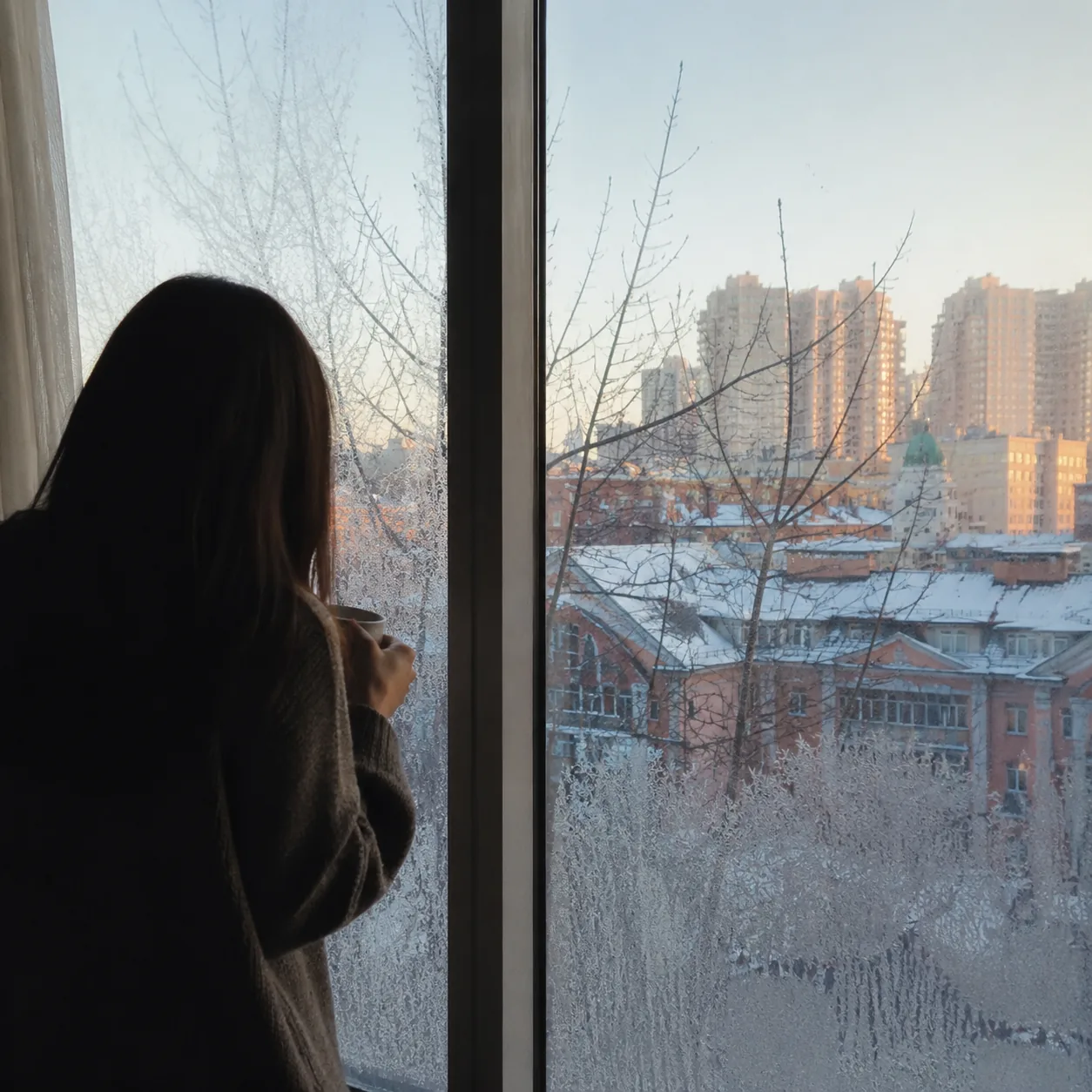
When I reached Saint Sophia Cathedral, the sky was pale gray, and the snow on the square had been stepped into many bright hard patterns. I took my phone from the inner pocket, checked the battery first, looked at the map second, and only then took photos. Nearby, tourists tucked gloves under their arms, pressed shutters quickly, and immediately pulled their hands back into their sleeves. Some people breathed onto phones held near their faces because screens had become unresponsive; others turned around with selfie sticks, their laughter turning crisp in the cold air. I took a few photos of the front of the cathedral and one photo of pigeons landing on the snow, then put the phone back. Without constantly holding up a screen, I actually saw more: snow along the roof edges, the rhythm of cleaners shoveling the square, and the serious expression of a child trying to kick a piece of ice with the tip of a boot. The purpose of preparing my phone was not to make me depend on it more, but to give me room to put it away.
At noon I entered a mall to warm up. My glasses fogged immediately, and the phone screen recovered its sensitivity from its cold stiffness. The temperature difference between indoors and outdoors was like an invisible door; after crossing it, the body needed to adjust again. I did not remove all my outer layers immediately. Instead, I stood near the entrance first, let my breathing slow, then loosened my hat, gloves, and scarf little by little. Many people were doing the same around the doorway: some knocked snow from their soles, some placed reddened hands near warm air vents, and some charged phones while lining up for milk tea. I found a corner, connected the power bank, brought the phone back above eighty percent, and reviewed the afternoon route. Originally I had wanted to walk all the way to the Songhua River, but although the map showed it was not far, the front desk woman’s reminder sounded in my head. So I changed the plan: take a car to the riverside first, then walk a shorter section, saving strength for the evening.
When I called a ride, the addresses and note I had prepared immediately became useful. I stood inside one designated mall exit, requested the car first, and only walked outside when the driver was close. The driver messaged asking which door I was at, so I copied the Chinese note and added the exit number. He quickly replied that he saw it and told me not to stand in the middle of the road; the car would pull over soon. I stood by the road for less than two minutes before the car arrived. When the door opened, warm air rushed out, and I almost felt as if I had been rescued back indoors. The driver saw me keep the phone in the pocket near my chest and laughed: “From the south, right? In this weather phones fear the cold more than people.” I said I was from Europe. He nodded and said I should be even more careful. Ice and Snow World was beautiful at night, but I should not wait until the phone was dead to think about going back; there were many people and many cars, so I should call a ride early or check the shuttle location. He was not a scenic guide, but he gave me one of the most useful travel tips of the day.
After arriving by the Songhua River, the wind was clearly harder than inside the city. Many people were playing on the ice, and the bridge in the distance looked as if cold air had carved it into sharp lines. I stayed outside for only about twenty minutes, yet my cheeks already felt tight from freezing. My phone battery was still healthy, but I no longer treated it as a universal guarantee. First I confirmed the route back to the mall, then set a backup destination in navigation: if the wind became too strong, I would go to the nearest café; if it remained tolerable, I would walk along the river to the next entrance. This backup plan meant I did not have to make decisions from scratch in the cold wind. When people are cold, judgment narrows, and it is easy to keep pushing simply because one does not want to admit being cold. A backup route in the phone was like a step written in advance, reminding me that I could exit at any time and did not need to turn travel into a test of willpower.
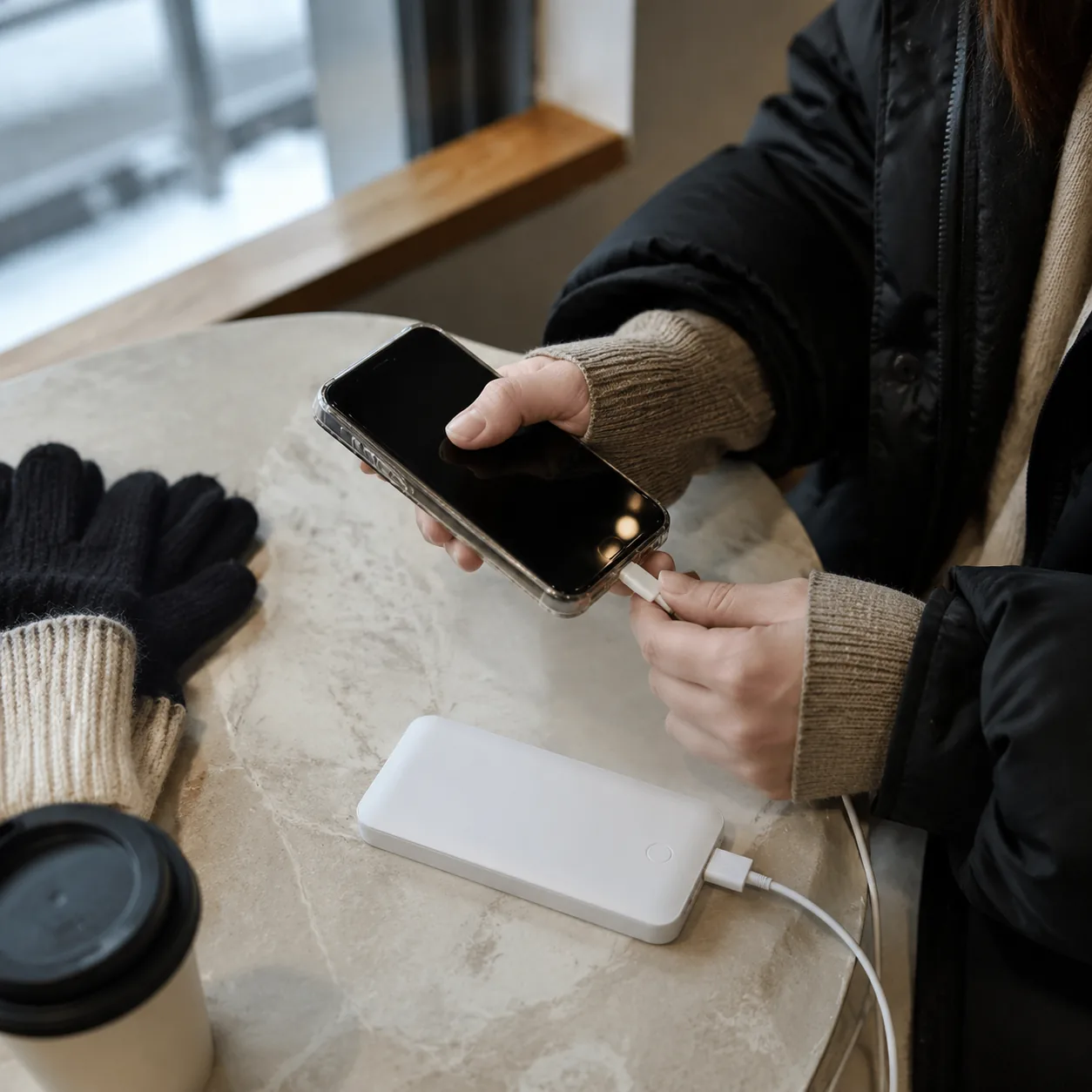
At 3:30 in the afternoon, I returned to the hotel for a rest. The decision looked like a waste of time, but it made the evening much smoother. I fully charged the phone and power bank again, backed up photos to the cloud, deleted several failed videos, and wiped melted moisture from the screen. More importantly, I let the sweat inside my clothing fully dry and changed into a dry pair of socks. Harbin interiors are warm while the outside is cold; if I continued out with half-wet socks, even the best phone preparation could not save my toes. I reorganized the evening plan: at Ice and Snow World, first see the entrance and main tower, then decide whether to wait in long lines for activities based on energy; do not wait until closing peak to return; if ride-hailing becomes difficult, follow the screenshot to the shuttle point; if the phone drops power abnormally, enter the visitor service center or a shop. After writing these into the notes app, I felt I was not restricting the trip, but leaving exits for it.
When I went to Ice and Snow World at night, phone preparation became more like a safety habit. The lights in the park were bright, and the ice buildings looked like blue and purple hills growing out of the dark. Everyone wanted to take photos, and everyone was pulling out phones. I was excited too, but I set rules for myself: in each area, look for exits and meeting points first, then take photos; put the phone back into the inner pocket immediately after shooting; do not scroll videos for long while waiting in line; connect the power bank once the battery drops below fifty percent. The rules were not romantic at all, but they allowed me to be romantic with more peace of mind. There were many people in front of the main tower, cold rising from the soles of my feet, while music and cheers bounced across the ice. I took a blurry photo that I liked very much: it contained an ice tower, lights, and the shadow of a child raising a mitten. The photo was imperfect, but I did not keep fixing the composition, because my hands were cold and the scenery in front of me was more worth staying with than the version on the screen.
Inside the park, I saw many people encounter small troubles. Someone’s phone froze and shut down, and they hurried to borrow a power bank from a friend. Someone chose the wrong ride-hailing location, and the driver reached another gate. Someone’s gloves were too thick, and the payment code would not open for a long time. Others had stayed outdoors too long and entered shops with faces bright red, leaning against walls to recover first. Staff kept reminding visitors to watch their steps, keep track of companions, and avoid stopping too long in the middle of passages. I suddenly understood that Harbin in winter was not difficult to approach; it simply required you to respect conditions. Cold was not an enemy, but a rule. Downloading maps in advance, preserving battery, planning the return, and knowing where to warm up indoors meant cooperating with that rule. If you cooperated well, the city would show you its most beautiful side; if not, it would quickly let you know your preparation was insufficient.
For the return trip, I did not wait until the last moment. At 8:40 in the evening, I saw that my battery was still at forty-seven percent and my feet were beginning to feel numb, so I decided to leave. Many people were still walking deeper into the main scenic area, but I followed the plan in my notes and went first to the shuttle point. On the way, I put the phone back into the inner pocket and took it out only occasionally to confirm direction. When I reached the boarding point, the line was already not short, but it was orderly. Staff used loudspeakers to tell people heading in different directions to line up separately. Beside me, a young couple whose phone had died was confirming the route with staff using paper tickets; another auntie handed a power bank to her child and said, “Stop taking photos. Save some battery to get back to the hotel.” I could not help laughing when I heard that sentence, because it almost summarized my day. Harbin’s winter night is beautiful, but the scenery will not call a car for you or save your hotel address.
After getting on the vehicle back to the city, the window was quickly covered by fog, leaving the lights outside as blurred clusters of color. I took out my phone and looked: the battery still had forty-two percent, the map loaded normally, and the hotel address was in the frequent list. That sense of steadiness was concrete, like my shoe soles finally touching dry ground. I remembered sitting on the edge of the bed in the morning checking my phone and wondering whether I was being too cautious, whether travel should be freer and more spontaneous. But after a whole day, I found that preparation had not reduced freedom; it had expanded it. Because I knew the battery was enough, I dared to put the phone away in front of the cathedral. Because I knew where to warm up, I dared to stand by the river wind for a while. Because I had a return plan, I could enjoy the lights at Ice and Snow World until satisfied instead of worrying constantly about how to leave.
When I went out again the next day, my movements were much more practiced. Charging, downloading maps, confirming pickup points, copying the hotel address, placing the phone in the inner pocket, keeping the power bank close to the body, and checking two indoor backup places became as natural as brushing my teeth. I even wrote a minimal note on paper: charge below fifty, do not shoot if hands are cold, call a car if the road is long, go indoors if sweating, and do not wait until the last moment to leave at night. It looked like setting limits for myself, but every line was actually protecting a better trip. On Central Street I bought a Modern popsicle and ate it outdoors at more than twenty degrees below zero, feeling both absurd and happy. The phone lay quietly in the inner pocket. It did not overheat, did not warn me, and did not pull me away from the street scene. I knew that if needed, it would light up; when not needed, it allowed the world to shine by itself.
Before leaving Harbin, I wrote this preparation routine into my travel notes for friends who would come later. I did not only write “wear thicker clothes,” because thick clothing is obviously important. I also did not only write “bring a power bank,” because bringing one is not the same as knowing how to use it. What was truly useful was a whole set of small habits: leave only with a full battery, keep the power bank warm close to the body, save and screenshot maps in advance, test ride-hailing addresses first, keep hotel information offline, control photo time, arrange warming stops for indoor-outdoor temperature differences, and give every beautiful itinerary a backup plan. What Harbin gave me was not a frightening cold, but a cold that made me clear-headed. It reminded me that the romance of travel does not always come from setting out unprepared; sometimes romance comes precisely after enough preparation, when you stand between ice, snow, and lights knowing that you can see clearly, return safely, and warm yourself again.