中国で車を拾うこと、思っているほど難しくない
Your phone lights up, a little green dot gliding toward you on the map — three minutes later, a white BYD pulls up and the driver has already popped the trunk. That’s everyday ride-hailing in China circa 2025: fast, cheap, and you barely need to speak.
Didi Chuxing is the undisputed king, holding over 70% market share. Open the app, type your destination, and the system matches you with Express, Premier, or Luxury tiers. Express is cheapest — base fare around 10-13 RMB, per-kilometer rates of 1.6-2.5 RMB depending on the city. Beijing airport to Sanlitun runs about 80-120 RMB; Shanghai Hongqiao to the Bund, 60-90 RMB.
Amap (Gaode) ride-hailing is the other heavy hitter. It doesn’t own fleets — instead it aggregates dozens of smaller platforms, so one tap pings multiple services simultaneously and whoever accepts first gets the job. Prices sometimes undercut Didi, especially in second- and third-tier cities. I tested the same route in Chengdu once and Amap came in nearly 8 RMB cheaper.
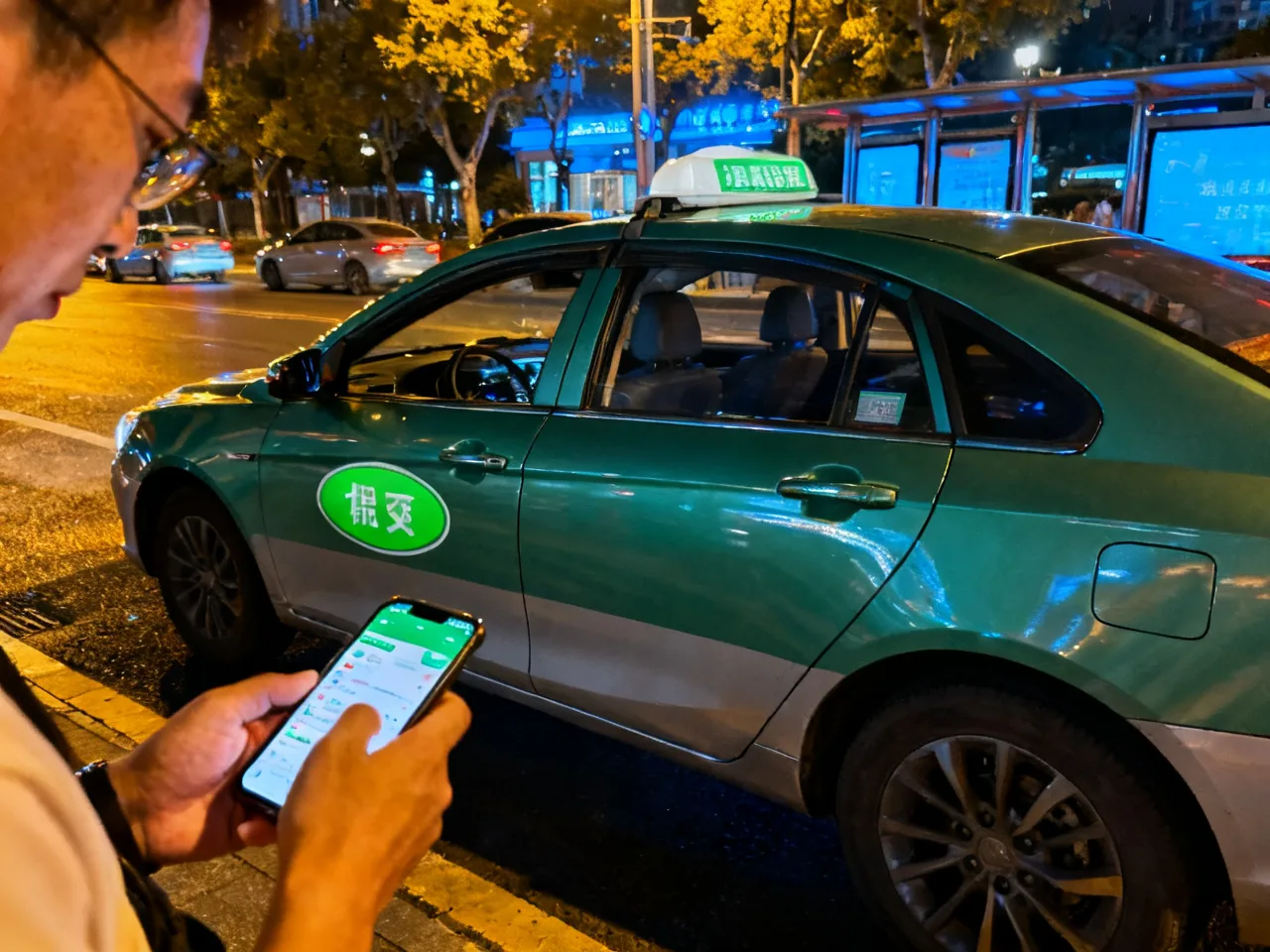
If it’s your first time in China, registering for Didi requires a Chinese phone number and a payment method. Good news: the international version of Didi now supports Visa/Mastercard binding with an English interface. Bad news: coverage in some cities is patchy, and you might struggle during rush hour.
Practical tip: grab a local SIM card after landing, register the domestic Didi app with your Chinese number, and link WeChat Pay or Alipay. If you’ve ever experienced the awkwardness of having cash refused, you already know how essential mobile payment is here. The whole setup takes about 20 minutes, and after that your ride-hailing experience is identical to a local’s.
Safety mechanisms in Chinese ride-hailing were massively upgraded after several serious incidents in 2018. Every trip now has full audio recording; Didi also added trip-sharing, one-tap emergency calling, and facial recognition to verify driver identity. According to 2024 data from the Ministry of Transport, daily ride-hailing orders nationwide exceed 30 million, with a complaint rate below 0.01%.
A few practical details: verify the license plate and driver photo before getting in — that’s basic. For late-night rides, choose Premier over Express for more consistent driver quality. If there’s a language barrier, just type your destination in Chinese and show the screen to the driver — a hundred times more effective than charades. Highway tolls and bridge fees are on the passenger, but the app shows estimated costs upfront, so no surprise bills.
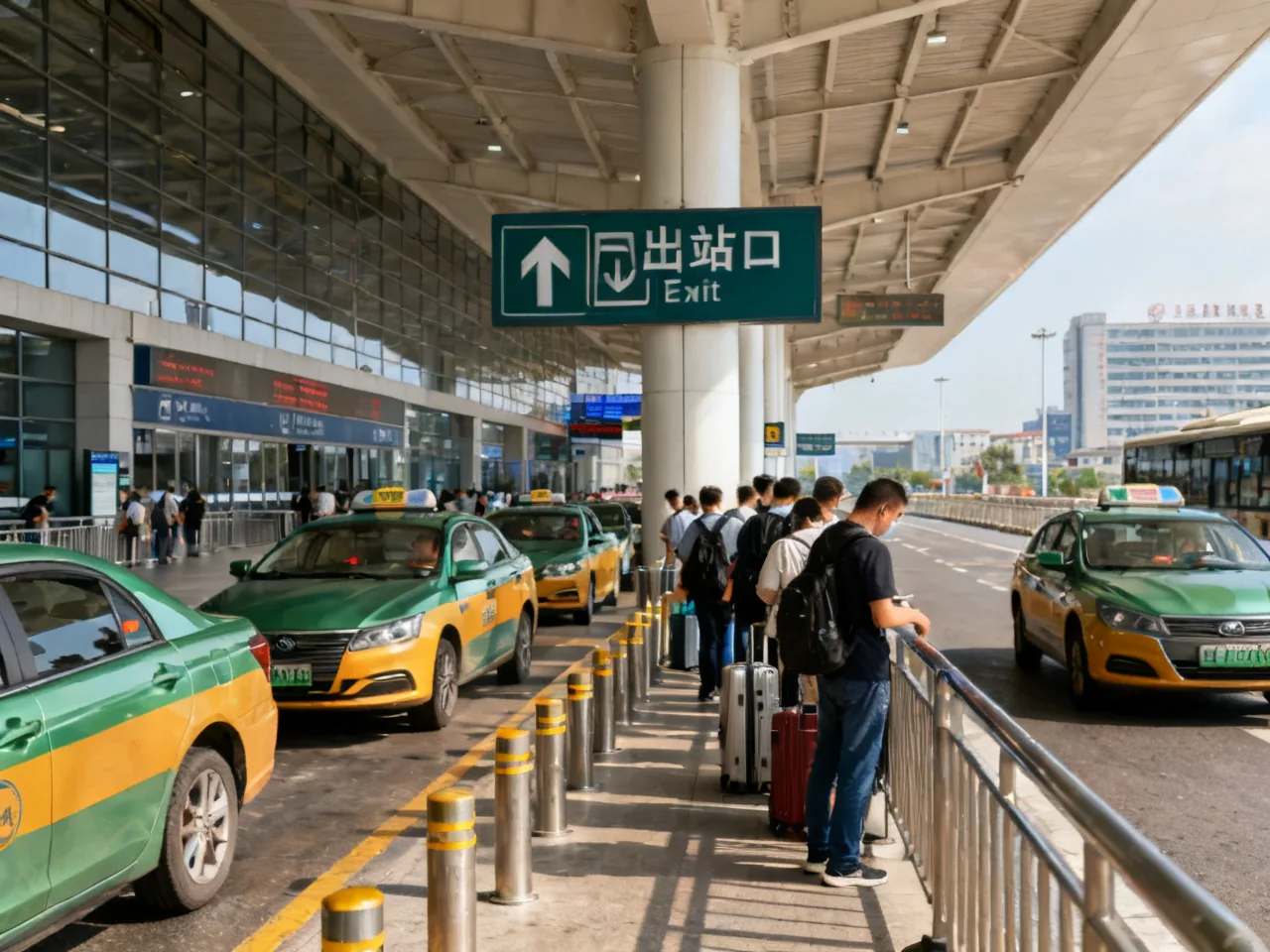
Don’t assume ride-hailing killed traditional taxis. In many cities, taxis have joined Didi and Amap platforms, so the car that shows up to your online request might well be a cab. The difference is taxis run on meters — transparent pricing but no fare lock-in. In Guangzhou, taxi base fare is 12 RMB for 2.5 km, then 2.6 RMB per km after that — nearly on par with Express ride-hailing.
Here’s a lesser-known fact: at airports and train stations, queuing for a taxi is sometimes faster than hailing a car online. Ride-hailing pickup points are often far from the terminal, while taxi stands sit right by the exit. I learned this the hard way at Chongqing Jiangbei Airport — called a Didi and spent fifteen minutes finding the pickup zone. Should’ve just queued.
China’s ride-hailing ecosystem is among the most mature in the world. Low prices, high efficiency, broad coverage — a genuine blessing for travelers. The only hurdle is that initial setup: phone number, payment, app download. Clear that bar, and urban transport across all of China is at your fingertips. According to public data on the Ministry of Transport website, over 300 ride-hailing platforms operated nationwide in 2024, with more than 7 million licensed drivers. The system runs every single day, waiting for you to hop in.