新疆・北疆12日間の深旅
Northern Xinjiang is one of China’s last great wildernesses. Snow-capped peaks, rolling grasslands, golden poplars, and shifting dunes coexist here in their most primal forms. This guide covers the full loop from Ürümqi through Sayram Lake, Nalati, Kanas, Hemu, and the Ghost City — 12 days to lose yourself completely in the vast lands north of the Tianshan.
Before You Go
Xinjiang is roughly three times the size of France, and the sights in the north are often hundreds of kilometers apart. Self-driving offers the most freedom, but you’ll need to book a 4WD in advance in Ürümqi or online — a Toyota Prado or Land Cruiser runs about ¥600–900/day during peak season (July–August). For those unfamiliar with the roads, hiring a driver-guide for the full loop costs around ¥8,000–12,000 total and is well worth the peace of mind.
Flights to Ürümqi take about 3.5 hours from Beijing, 4 hours from Shanghai, and 3 hours from Chengdu. Arriving 1–2 days early to acclimatize is a good idea — the city sits at around 900m elevation, while Kanas reaches 1,400m. Use the extra time to explore Erdaoqiao Grand Bazaar and eat your fill of dapanji (big-plate chicken) and lamb skewers.
Days 1–2: Ürümqi
On arrival day, check into a hotel near Youhao North Road — central, convenient, and close to good food. The next morning, head to Xinjiang Museum (free entry, allow 2 hours): the “Loulan Beauty” mummy and Silk Road artifacts from the Han and Tang dynasties are genuinely stunning. In the afternoon, wander Erdaoqiao Grand Bazaar — the shouts of Uyghur vendors, the smoky scent of baking naan, the riot of color from handwoven carpets. It’s sensory overload in the best possible way.
For dinner, try Jiulong Dapanji restaurant (around ¥60/person). Order the signature big-plate chicken with belt noodles and a jug of Xinjiang dark beer. This meal will set the flavor benchmark for the entire trip.
Day 3: Sayram Lake
Drive about 4 hours from Ürümqi (or take a bus, ~5 hours, ¥80) to reach Sayram Lake. Sitting at 2,073m elevation and covering 458 sq km, it’s Xinjiang’s largest alpine lake. The water shifts color with the weather — a deep sapphire blue on clear days, a mysterious grey-green when clouds roll in.
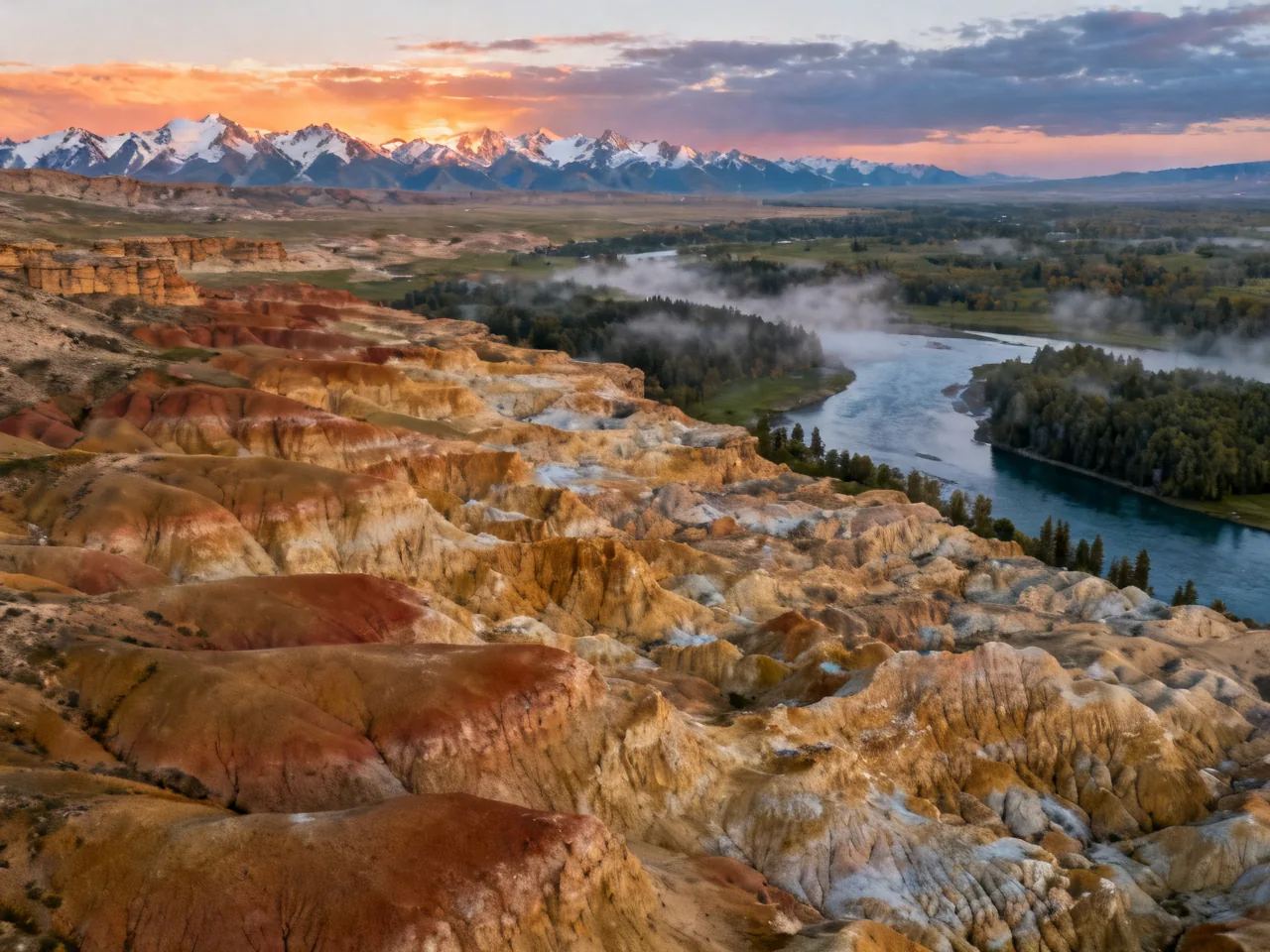
Admission is ¥90. You can ride horses along the shore (¥100/hour) or hike the full perimeter (about 60km, takes 2 days). My strong recommendation: spend a night in a Kazakh yurt on the lakeshore (¥200–300/person, dinner and breakfast included). Falling asleep to the sound of wind, then lifting the felt flap at dawn to see mist rising off the lake — no five-star hotel can replicate that stillness.
Days 4–5: Nalati Grassland
Drive about 3 hours from Sayram Lake to Nalati, one of the most celebrated grasslands in the heart of the Tianshan. Admission is ¥130; shuttle buses inside cost ¥30, or rent a horse for ¥200/2 hours.
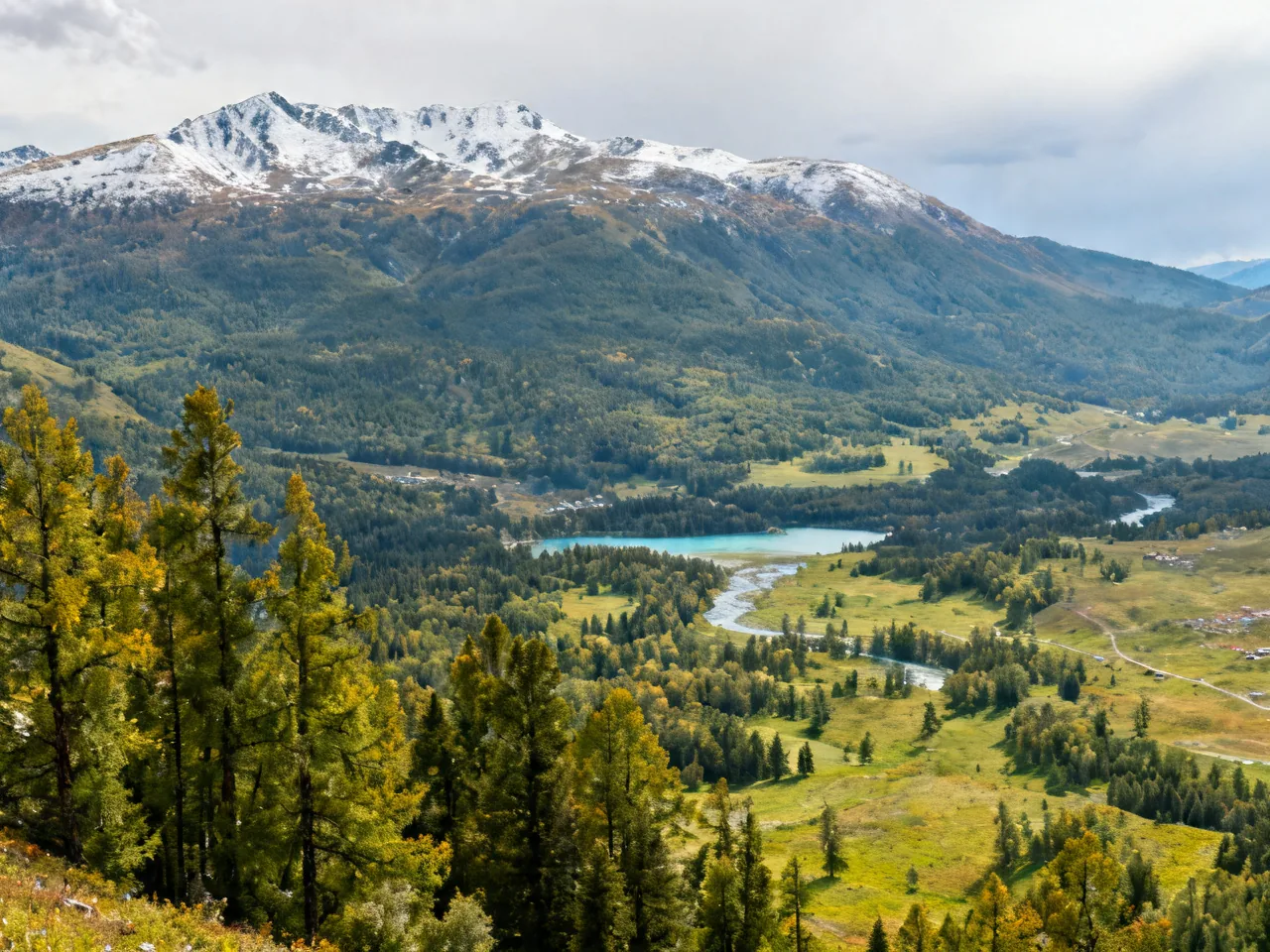
In July, the grasslands at Nalati are so intensely green they look artificially colored. Kazakh herders drive their flocks slowly down the hillsides, riders in felt hats silhouetted against rolling ridgelines. No filter needed — the scene is already a perfect postcard.
On Day 5, hike up to the Sky Grassland viewpoint (around 2,000m elevation) for a panoramic view of the entire Nalati basin. Leave by 7am to beat the tour groups and have the morning mist and birdsong to yourself.
Days 6–7: Duku Highway
The Duku Highway (Dushanzi to Kuqa, 561km total) is considered one of China’s most scenic drives, open from June to October. Heading north from Nalati, the road cuts through the heart of the Tianshan, passing the Qiaerma Martyrs’ Cemetery and the Dragon Lakes along the way.
The scenery along the highway shifts with dramatic speed: grassland to snowfield, canyon to forest — sometimes a single bend takes you from summer into winter. Stop for half an hour at Qiaerma, where over 3,000 PLA soldiers who died building this road are buried. Standing in that cemetery changes how you feel about the road beneath your feet.
Days 8–9: Kanas
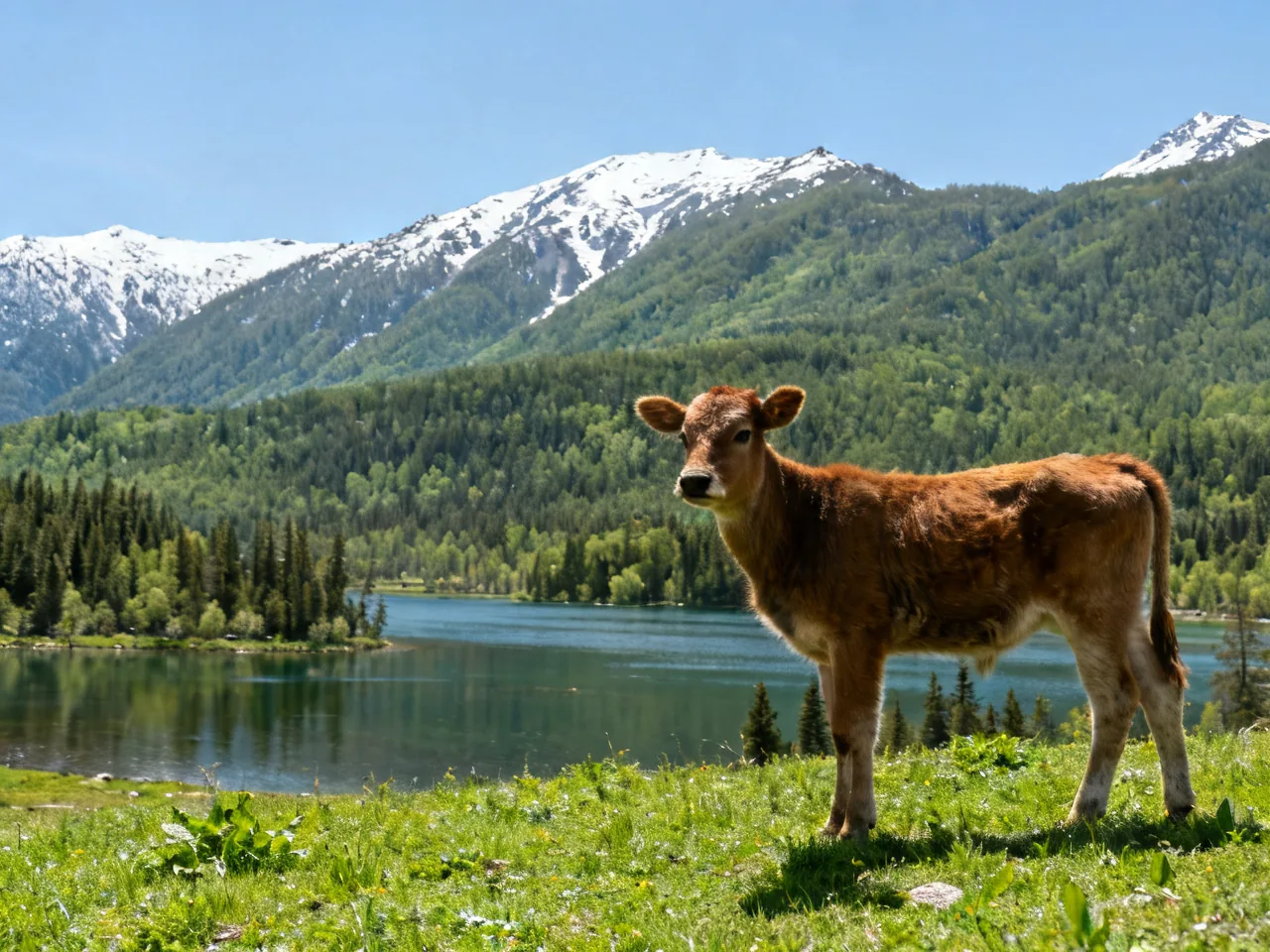
Kanas is the crown jewel of Northern Xinjiang. From Burqin County, take the scenic area shuttle (about 1.5 hours; peak-season admission including transport is around ¥245). Kanas Lake stretches 24km long, its water a shifting jade-green from dissolved minerals.
I strongly recommend staying in the wooden cabins inside the scenic area (¥400–600/night) rather than commuting daily. Wake at 5:30am and hike to the Fish Viewing Platform (about 45 minutes uphill) before the first light hits the lake. In that moment, the entire surface is wrapped in golden morning mist, snow peaks reflected in the water, the occasional fish breaking the surface — the legendary “lake monster” is almost certainly these giant taimen salmon.
Day 10: Hemu Village
Drive about 1.5 hours from Kanas to Hemu Village, one of China’s most beautiful villages. The Tuvan people here live in log cabins that look remarkably similar to Siberian Russian architecture. Admission is ¥80.
In autumn (late September to early October), Hemu is a photographer’s paradise: birch and larch trees turn simultaneously, golden leaves trembling in morning mist, woodsmoke curling from cabin chimneys. Even in summer, Hemu at dawn has a fairytale stillness. Stay a night and try a Tuvan family’s hand-grabbed mutton and milk tea.
Day 11: Ghost City (Wuerhe)
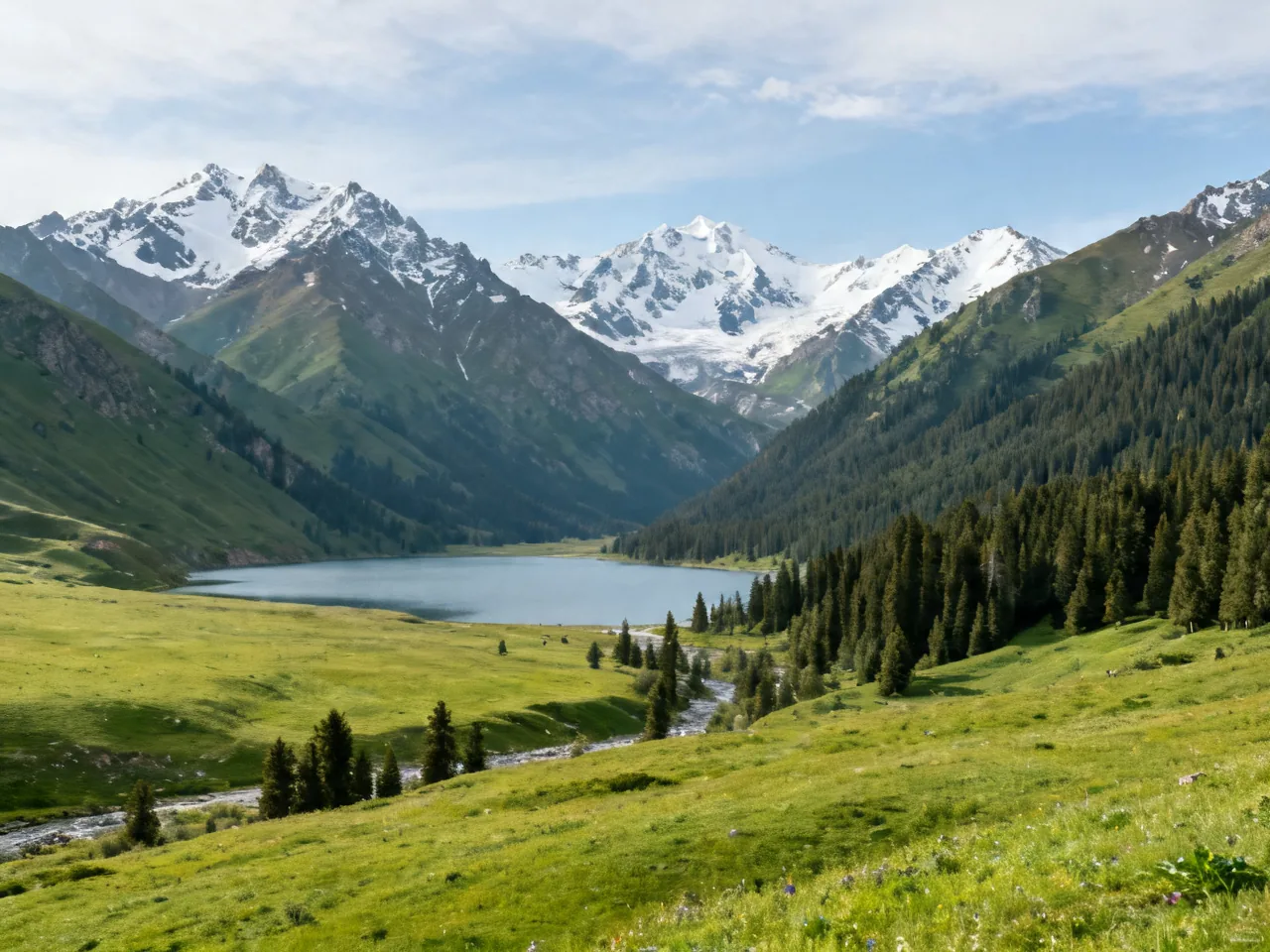
Drive about 4 hours from Hemu to Wuerhe Ghost City. This yardang landscape formed roughly 100 million years ago; wind erosion has sculpted countless bizarre earthen towers that glow orange and purple at sunset. Admission is ¥50; electric carts inside cost ¥20.
Around 6pm, as the sun nears the horizon, the entire Ghost City ignites in burning orange-red. Wind funneling between the earthen towers produces a deep, moaning howl — that’s where the name comes from. Staying until sunset here is the most ceremonial possible ending to a Northern Xinjiang journey.
Day 12: Return to Ürümqi
Drive about 3 hours back to Ürümqi from Wuerhe. Stop at Erdaoqiao for souvenirs: Hetian jade (buy from reputable shops to avoid fakes), raisins, walnuts, dried apricots, and handwoven rugs (small sizes run ¥200–500).
For a farewell dinner, try the whole roasted lamb at Xiyududu restaurant (book ahead, ¥800/lamb, serves 6–8), paired with Xinjiang red wine. A fitting end to 12 extraordinary days.
Practical Info
Best time to visit: Late June to September. Grasslands peak in July–August; autumn colors peak in late September. Avoid May (some areas not yet open) and after October (road closures).
Accommodation budget: ¥200–400/night in Ürümqi; ¥300–600/night for cabins/yurts inside scenic areas. Book Kanas and Hemu accommodation 2–3 weeks ahead in peak season.
Altitude: Most of Northern Xinjiang sits between 1,000–2,000m. Altitude sickness is usually mild, but bring rhodiola and ibuprofen just in case.
Connectivity: Signal is poor in most scenic areas. Download offline maps (Amap or Maps.me) before you go. Kanas and Hemu have almost no signal — let family know in advance.
Related Reads
- 10-Day East China Five-City Loop
- Lijiang Old Town: Naxi Culture & Snow Mountain Views
- Zhangjiajie Glass Bridge & Tianmen Mountain Guide
- Guilin Li River Scenic Tour Complete Guide
- Spring Bloom Map: China’s Most Beautiful Flower Fields