How I Judge the Safest Way Back to My Hotel After Arriving Late in China
I am from Germany, and toward the end of a long trip, the moment when I am most likely to let my guard down is often not departure but arriving in another Chinese city after ten at night. Late arrivals magnify many issues: my phone battery may be low, visual cues on the street are reduced, taxi lines move faster, and I am more likely to make rushed decisions because I am tired. In Europe, I often relied on intuition and street sense. In China, however, I quickly realized that nighttime movement is not the time to act brave. It is the time to let process protect you.
I later gave myself a simple rule: after arriving in an unfamiliar Chinese city at night, I should choose the route with more complete information, not the one that is theoretically cheaper or looks shorter on the map. By “more complete information,” I mean that I can confirm the entrance location, platform number, operating hours, transfer logic inside the station, and whether the final walking section is well lit, populated, and easy to identify. What really drains a traveler at night is not always the extra ten or twenty yuan, but every uncertain turn.
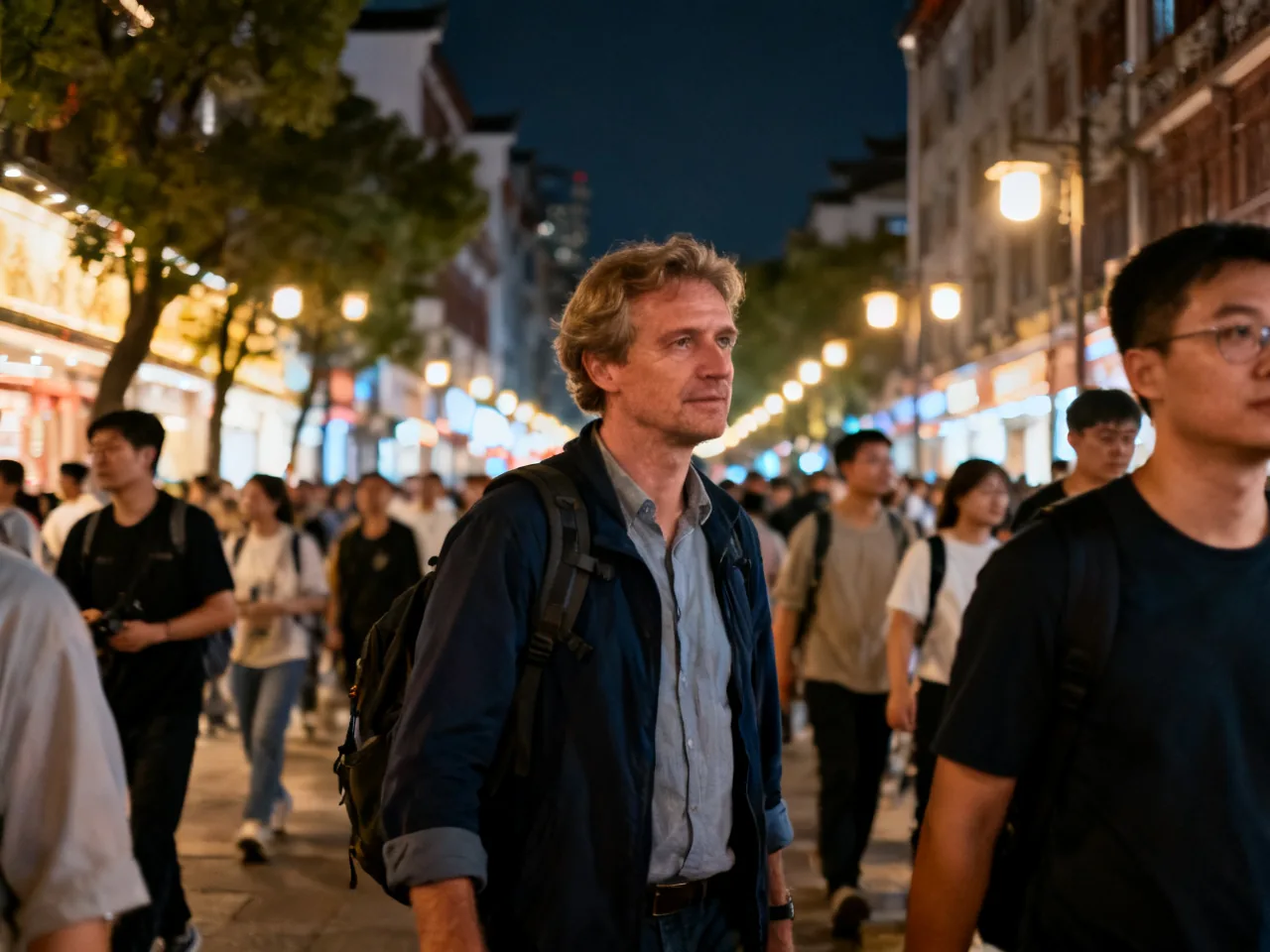
Once I arrived late at Chongqing North Railway Station, and my hotel was not far in straight-line distance. The map showed that if I took the metro and then walked, the final walk would be about eight minutes. During the daytime, I might have done it without hesitation. But after checking the hotel surroundings and reviews, I realized that the last section required passing a sloped road and construction barriers, with fewer people around after midnight and an entrance that was not clearly marked. So I changed to a ride-hailing option with a more clearly defined pickup point inside the station. The ride took only about ten minutes, but it saved me from dragging luggage through an unfamiliar slope while searching for the entrance. That night, what I really paid for was not transportation. It was certainty.
After traveling in China, I came to believe something strongly: safety judgment is often not about avoiding all risk, but about recognizing which kind of risk affects you most. For me, the biggest nighttime risk is not a dramatic threat. It is the accumulation of fatigue, language switching, and decision load that turns a small problem into a larger one. For example, crossing a station square multiple times to save a little money, or taking a dim shortcut just because it looks fastest. Very often, the safest choice does not look clever. It simply matches the reality of being a tired human being.
Before arrival, I prepare on three levels. The first is route rehearsal: I split the journey from the platform to the hotel entrance into stages and confirm each one. The second is fallback planning: what I will do if I miss the last metro, if I cannot find the ride-hailing pickup point, or if the hotel entrance is too hidden. The third is language preparation: I save the hotel’s Chinese name, address, nearby landmarks, and the phrase “Please take me to this entrance” in my notes. That way, once I arrive, I do not need to build complicated sentences on the spot. I only need to show key information.
I had the opposite experience once in Xi’an. I trusted the walking time shown on the map too much, but after exiting the metro I discovered that the navigation had not explained the change in street levels. I dragged my suitcase around two escalator areas and saw several passageways that all looked possibly correct. I started to feel rushed. Then I stopped, walked into a convenience store to buy water, and asked the staff which exit was closest to my hotel. That small action stabilized me again. Later I understood an important nighttime principle: when your confidence in direction drops, first move into a bright, populated place where you can pause and reorganize information, instead of continuing to guess while walking.
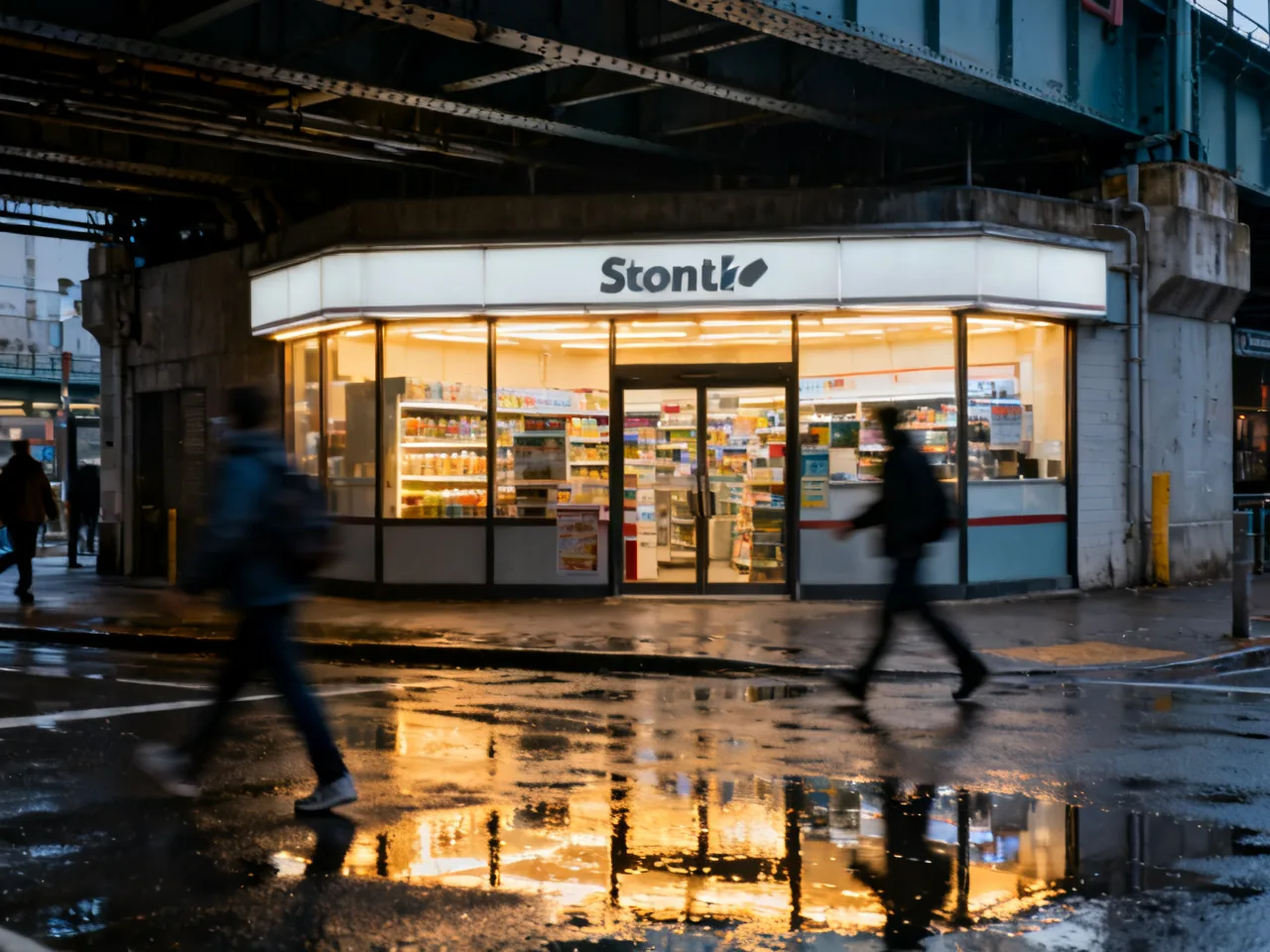
These experiences gradually turned into a practical standard for nighttime arrivals.
- If the walking segment is longer than ten minutes, I also check lighting, slope, and whether I need to cross major intersections.
- If my arrival is close to the last metro, I choose the more stable option and do not treat “just making it” as a plan.
- If the hotel entrance is inside a lane, I save a photo of the storefront or a nearby visible sign in advance.
- If I begin to feel rushed on site, I stop first, move to a bright node, and then continue judging.
China’s transport system is highly efficient overall, and that very efficiency has taught me to use speed more carefully. Not every faster route is suitable for a tired foreign traveler at night, and not every “I should be able to handle this” is worth testing. Whenever I reread articles like experiences with late-night transport connections, methods for judging hotel surroundings, and how to organize your route after leaving a high-speed rail station, I remind myself of one thing: mature travel is not about looking fearless. It is about still making steady decisions when you are most tired.