Buying Chinese Tea: Longjing, Pu'er & Tieguanyin
Guide to Buying Chinese Tea
Longjing, Pu’er, Tieguanyin — China has countless famous teas, priced from tens to tens of thousands of yuan. This guide helps you find the best value.
Green Tea Picks
West Lake Longjing — China’s most famous green tea. Authentic production areas are Shifeng, Longjing, Yunqi, Hupao, and Meijiawu. Pre-Qingming harvest (before April 5) is highest quality and most expensive — core-area pre-Qingming Longjing costs ¥2,000-5,000 per jin. For daily drinking, pre-rain Longjing (¥300-800/jin) is excellent.
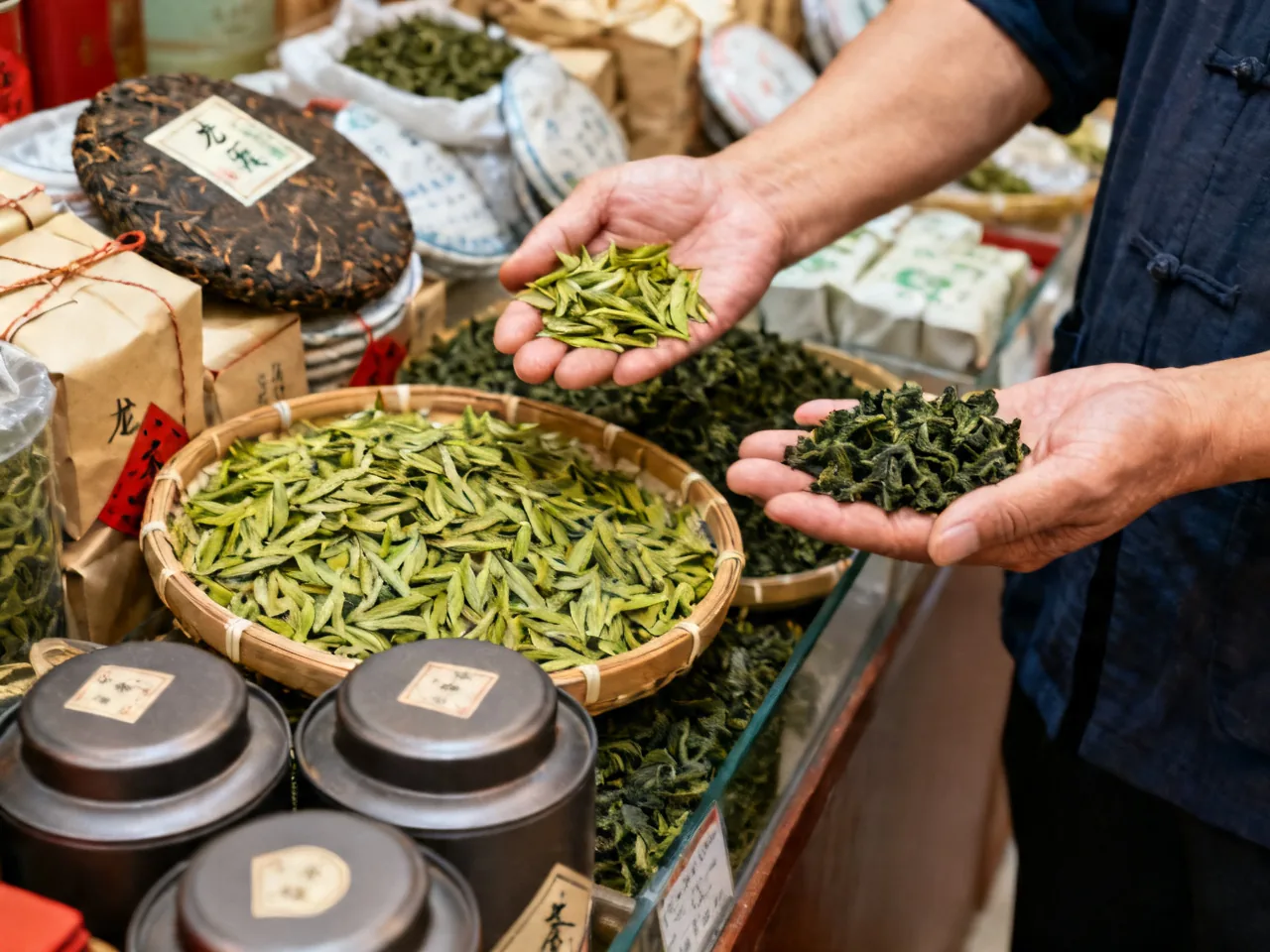
Biluochun — from Suzhou’s Dongshan and Xishan by Taihu Lake. Known for rich fruity aroma (tea trees interplanted with fruit trees), with tightly curled leaves. ¥200-1,500/jin.
Oolong Tea Picks
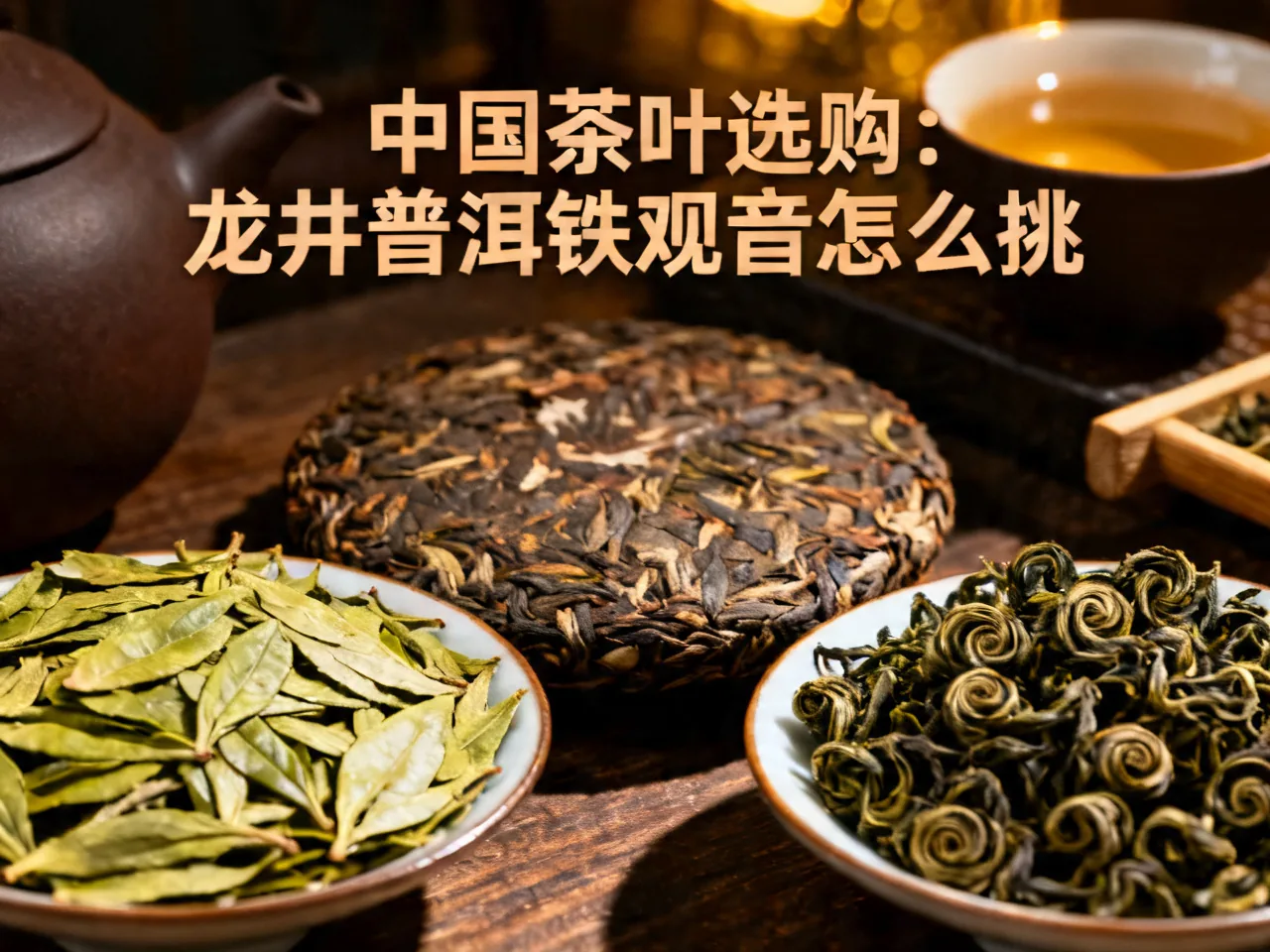
Tieguanyin — from Anxi, Fujian. Light-fragrance type (light fermentation) has floral aroma; rich-fragrance type (heavy roasting) is mellow with sweet aftertaste. ¥200-800/jin suits most people.
p>
Da Hong Pao — king of Wuyi rock teas. Original mother trees have stopped being harvested; market versions are cultivar teas. Quality Da Hong Pao has “rock bone floral fragrance” — mineral character interwoven with floral notes. ¥300-2,000/jin.
Pu’er Tea Basics
Pu’er comes in raw (sheng) and ripe (shou). Raw tea is astringent when new, mellowing with age; ripe tea undergoes pile fermentation and is smooth immediately. Beginners should start with ripe. An entry-level cake (357g) costs ¥100-300.
Tips: Always taste before buying. Legitimate tea shops will brew free samples. If a shop won’t let you taste, leave — something’s probably off.
Related Reads
- Spring Bloom Map: China’s Most Beautiful Flower Fields
- Summer Escapes: Plateaus & Islands
- Huangshan Sea of Clouds & Welcome Pine: Beautiful in All Seasons
- Best Autumn Foliage Spots in China
- 10-Day East China Five-City Loop