 Travel Notes
Three Days in Chengdu: The City That Slows Down on Purpose
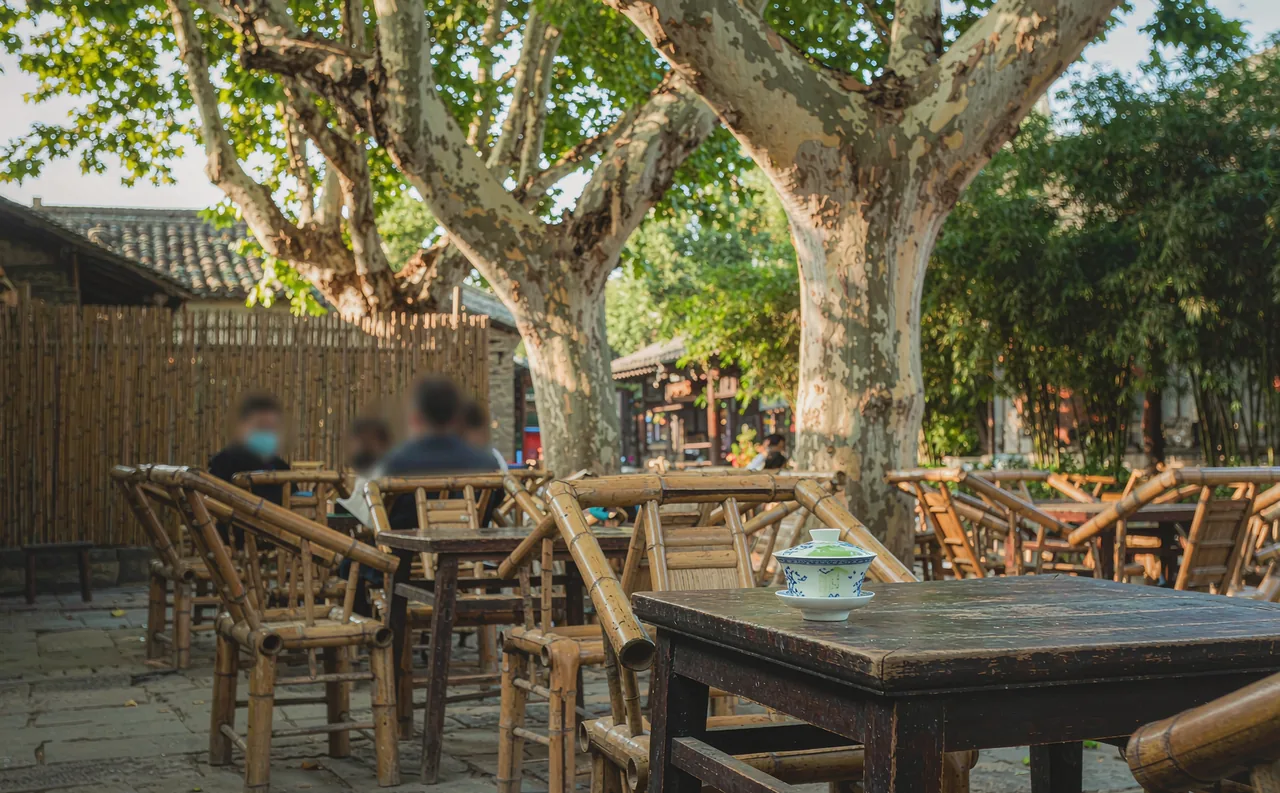
Everyone calls Chengdu the “Land of Abundance,” and I assumed that was tourism-board language. On my second morning, sitting on a bamboo chair in the People’s Park and watching an old man tease the leaves of his lidded teacup apart with a toothpick, I realised the phrase means something else: these people genuinely have the margin not to hurry.
I never rushed a single sight in Chengdu. In three days my plan contained exactly four items — pandas, the Three Kingdoms, eating, and tea. The rest went to walking and doing nothing. In hindsight, it was the best-value decision of the trip.
Three things to lock in before you land
Book the panda base. This isn’t a “figure it out at the gate” attraction; entries are capped on busy days. Reserve through the official channel as soon as your dates are fixed, or you may be staring at a locked gate.
Set up phone payments. Chengdu is effectively cashless. The stall griddling egg cakes on the corner has a QR code taped to it. Link a foreign card to Alipay or WeChat Pay before you fly — get this done and half your Chengdu problems disappear.
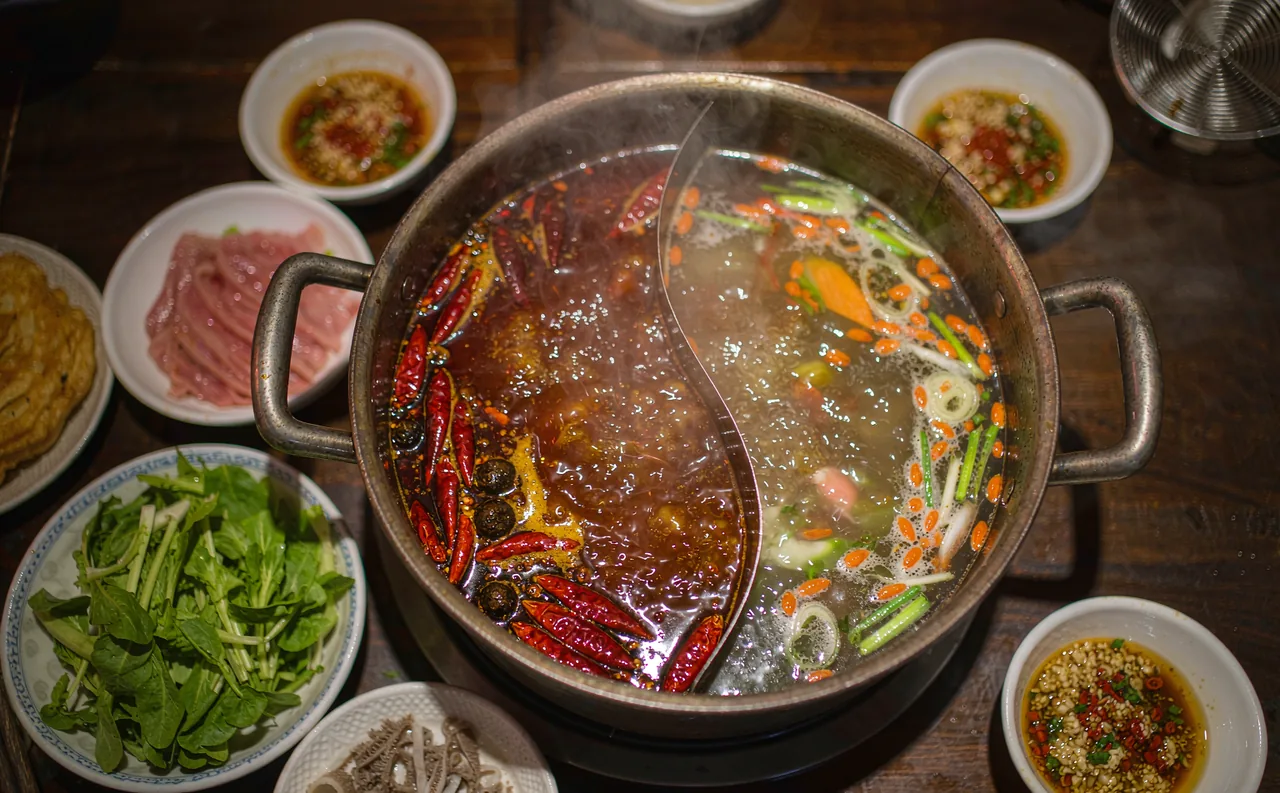
Don’t be brave about chilli. Sichuan operates on its own chilli scale, where “mild” would pass for extra-hot in most countries. Your first hotpot order should be yuan yang: a pot split between fiery beef tallow and plain broth. The plain half isn’t for your delicate companion — it’s for you.
Pack something for your stomach, too. Rich, spicy food plus unfamiliar water is a common combination, and it rarely ends quietly.
Day 1 — Pandas, Three Kingdoms, red lanterns
07:30 — Chengdu Research Base of Giant Panda Breeding (≈¥55)
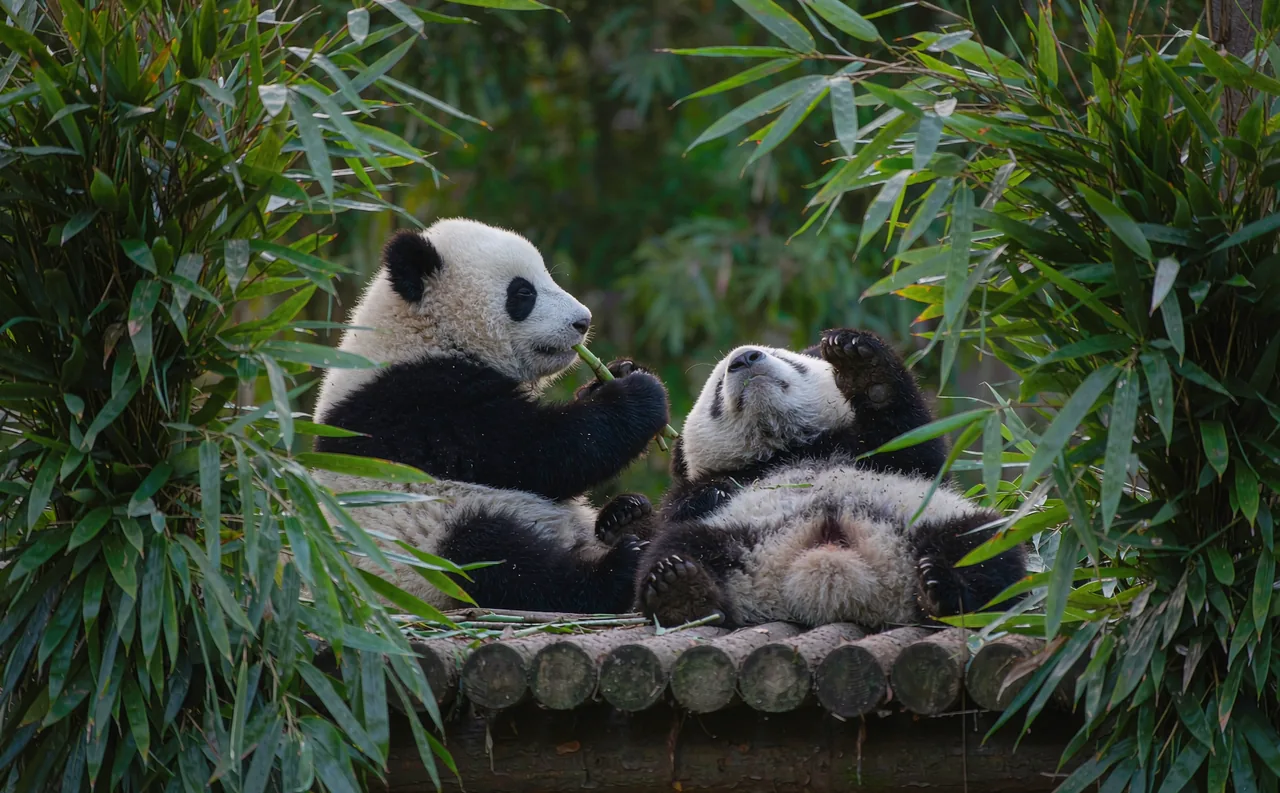
Take Metro Line 3 to Panda Avenue, then transfer to the park shuttle. The hour matters: pandas hate heat, and after 9:30 they retreat indoors, where you’ll be watching two sleeping balls of fur through glass.
Head for the Moon Nursery first — the cubs there are the liveliest and the ones most likely to undo you completely. Allow three to four hours in total.
12:00 — Lunch: boboji and sweet water noodles
Cold skewers soaking in red oil or green Sichuan pepper broth, picked out by hand, fragrant rather than punishing: ¥30–50 a head. Despite the name (“bowl of chicken”), there’s no chicken requirement. Pair it with tianshuimian — noodles as thick as a chopstick tossed in dark soy, sesame paste and chilli oil, sweet and hot and wonderfully chewy at ¥10–15. This is the correct way to handle midday in Chengdu.
14:00 — Wuhou Shrine (≈¥50)
The only shrine in China where a ruler and his minister are worshipped together: Liu Bei and Zhuge Liang sharing one courtyard. Even if the Three Kingdoms era means nothing to you, the stretch of path between red walls is a beautiful walk. Ninety minutes is plenty.
16:00 — Jinli
The faux-old street next door, hung so densely with red lanterns that daylight changes colour. Wonderful for wandering and photos, poor for eating — prices carry a heavy tourist premium, and the same money buys three times the meal two streets away. Dusk, when the lanterns come on, is the photo window.
18:30 — Kuanzhai Alley (Wide & Narrow Alleys)
Three parallel Qing-dynasty lanes whose courtyards now hold teahouses and boutiques. Same rule: browse here, eat elsewhere. The place locals actually eat is Kuixinglou Street around the corner, at a fraction of the price.
20:00 — Dinner: your first Chengdu hotpot
Fragrance-forward rather than purely hot; the beef-tallow base announces itself by smell before taste. Order the tripe (dip seven times, eight times, fifteen seconds), goose intestine, and duck blood. For the dipping sauce, follow the local formula — minced garlic, sesame oil, oyster sauce, and no sesame paste, which marks you as an outsider instantly. ¥70–120 per person.
Day 2 — Wasting time the Chengdu way
Morning — Heming Teahouse, People’s Park
Open since the 1920s: bamboo chairs, low tables, a lidded bowl of tea for ¥15–20 that entitles you to the entire morning. Order zhuyeqing (green) or bitan piaoxue (jasmine). Neighbouring tables will be deep into cards or chess, and you may meet an ear-cleaner carrying his toolkit — agree on the price before he starts. These were my two favourite hours in Chengdu.
Afternoon — Sichuan opera face-changing
A performer turns and the mask changes; the hand lifts and it changes again. It lands more abruptly than most stage magic. Teahouse shows are loose and casual; theatre productions are fuller productions.
Evening — Taikoo Li and IFS
A shopping district with one good reason to detour: the giant panda sculpture climbing the outside wall of IFS. The Fangsuo bookstore inside is a legitimate place to rest your feet.
Day 3 — Pick one
Stay in town: Jinsha Site Museum + Du Fu Thatched Cottage
Jinsha is a 3,000-year-old Shu settlement, and its gold sun-bird ornament is now the emblem of China’s cultural heritage. Du Fu’s Cottage (¥50) is bamboo, water, and the physical answer to “what sort of house does a poet live in?” Neither chases you out; walk slowly.
Leave town: Mount Qingcheng + Dujiangyan
A Daoist sacred mountain paired with an irrigation system still working after more than 2,200 years — an anomaly in the history of engineering. Trains run from Xipu station to Mount Qingcheng in about 45 minutes, so a half-day round trip is realistic.
Six things worth chasing
| Dish | Rough price | Why it matters |
|---|---|---|
| Hotpot | ¥70–120 | Tripe, goose intestine, duck blood — always yuan yang |
| Boboji skewers | ¥30–50 | Cold skewers in chilli or peppercorn oil, fragrant not fiery |
| Sweet water noodles | ¥10–15 | Chopstick-thick, sweet and chewy; the famous one is Dongzikou Zhang Lao’er |
| Mapo tofu | ¥20–40 | Tofu trembling in red oil; the Sichuan pepper is the point |
| Brown sugar ice jelly | ¥8–15 | Syrup poured over chilled jelly, the emergency dessert after spice |
| Egg cake (danhonggao) | ¥5–10 | Griddled cake filled with pork floss or cream; He Ji is the old name |
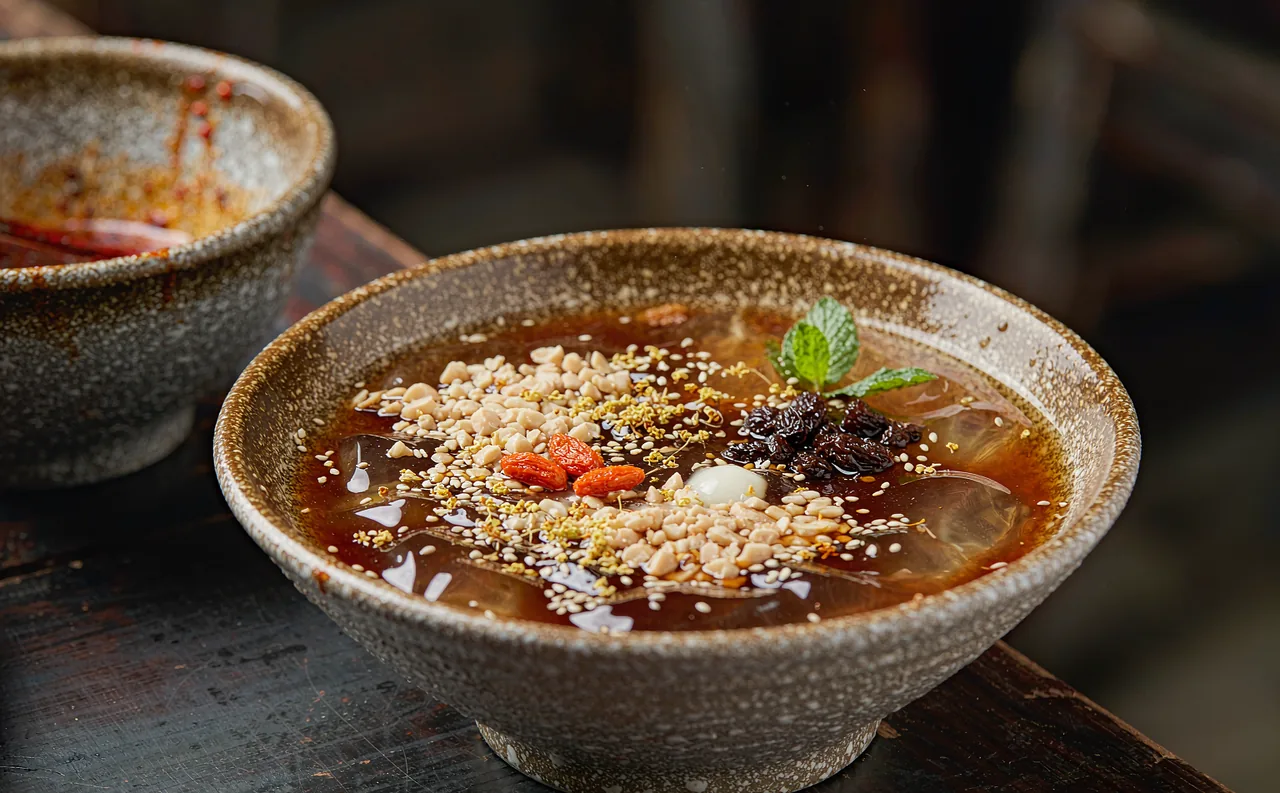
The local answer to excessive chilli is an iced bottle of Weiyi soy milk. People here grew up on it, and nothing else works as well.
Where you sleep decides your evenings
- Chunxi Road / Taikoo Li (Jinjiang) — dead centre, metro interchange, dense shopping. ¥400–1,200. The low-stress choice for a first visit.
- Around Kuanzhai Alley (Qingyang) — hostel-heavy, cultural, quiet at night. ¥200–800.
- Jiuyanqiao / Sichuan University (Wuhou) — bar streets mixed with student housing. ¥250–700.
- Near Wenshu Monastery (Qingyang) — small restaurants everywhere; old Chengdu street life still intact here. ¥200–600.
Nightlife splits by quarter too: Jiuyanqiao is riverside folk music with the Anshun Bridge reflecting in the water; Yulin Road, famous after the song “Chengdu,” always has a queue outside the original bar, though any nearby bar gets you ninety per cent of the feeling; Lan Kwai Fong is the large clubbing district; Taikoo Li leans towards upmarket cocktail rooms.
Rough three-day budget, per person
| Budget | Mid-range | Comfortable | |
|---|---|---|---|
| Accommodation (2 nights) | ¥400–600 | ¥1,200–2,400 | ¥3,600+ |
| Food | ¥300–450 | ¥700–1,200 | ¥2,000+ |
| Local transport | ¥60–120 | ¥150–300 | ¥500+ |
| Admission | ¥165–260 | ¥300–450 | ¥600+ |
| Total | ¥925–1,430 | ¥2,350–4,350 | ¥6,700+ |
Prices reflect on-the-ground levels in 2026; everything rises during public holidays.
Checklist, and the things that trip people up
Tick these before you leave for the airport:
- Panda base booked, and you’re arriving near opening time
- A foreign card linked to Alipay / WeChat Pay
- AutoNavi (Gaode) Maps installed — far more reliable in China than Google Maps
- Something for your stomach in the bag
- Any services needing a VPN configured in advance
- Comfortable shoes; expect 15,000 steps a day minimum
And the warnings worth keeping:
- Don’t drink tap water. Bottled is everywhere at ¥2–3.
- Carry tissues — public toilets usually don’t supply them, and are mostly squat-style.
- Jinli and Kuanzhai Alley charge a premium for food; move your real meal elsewhere.
- The metro costs ¥3–9 and lines 2, 3 and 7 cover most sights; Didi rides run ¥10–30 across town.
- Emergency numbers: 110 police, 120 ambulance, 12367 for immigration questions (English available).
One last indulgence.
On my third afternoon I had no plan at all, just a seat at Heming watching people pass. Three separate groups cycled through the neighbouring table; my tea was on its fourth top-up, and nobody came to move me along. That was the moment it landed: Chengdu’s most valuable asset isn’t the panda. It’s the city’s willingness to let you sit and do nothing, without anyone finding that strange.
If you only have three days, don’t fill them. Leave half a day to sit in the sun — it’s the thing Chengdu is actually trying to give you.